
Eleven Turkish Dance Traditions
Colorful original dance illustrations
The visuals below are editorial illustrations created for DANZO. They are not archival images or real photographs of named ceremonies, schools or performers. Photographers may submit licensed documentary material separately.
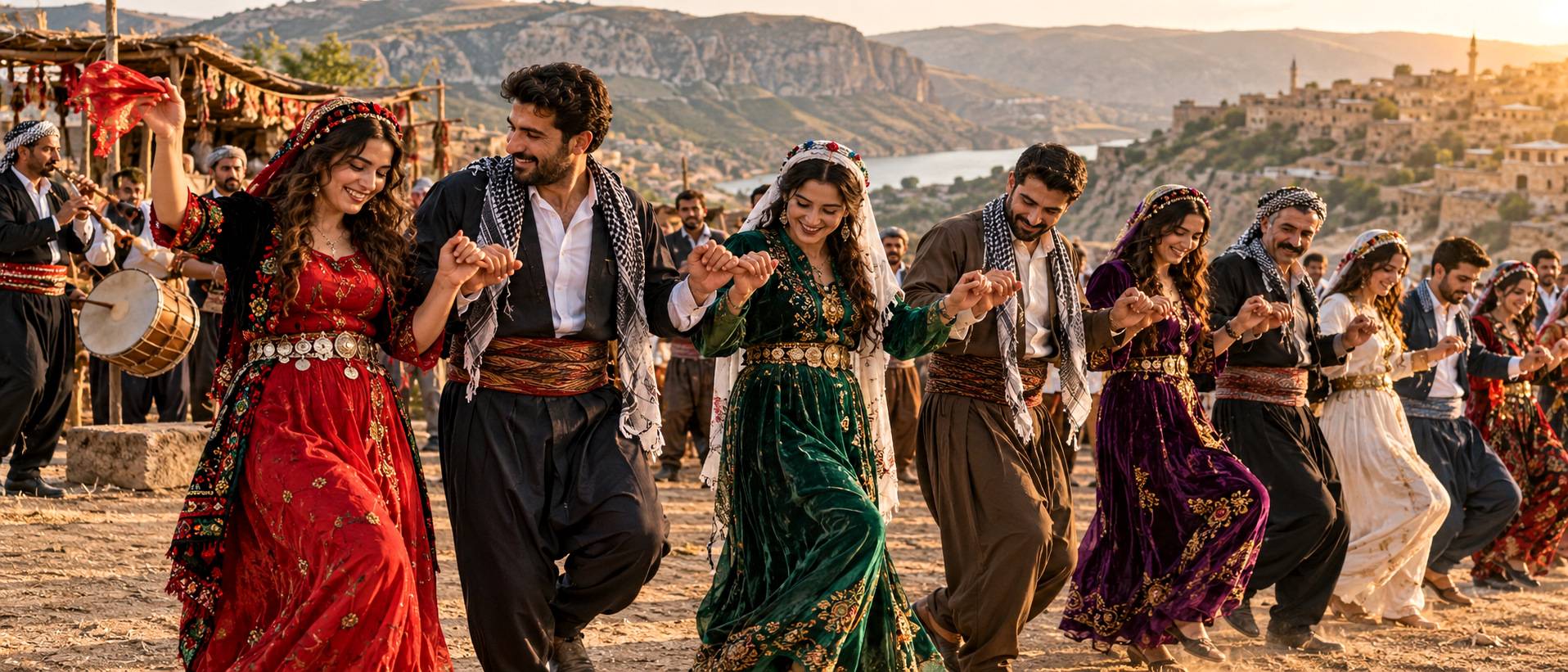
Halay
Eastern and Southeastern Anatolia
Original editorial visual representing a dance tradition; not a documentary photograph of a real group.
Horon
Eastern Black Sea · Trabzon and Rize
Original editorial visual representing a dance tradition; not a documentary photograph of a real group.
Zeybek
Aegean region · İzmir and Aydın
Original editorial visual representing a dance tradition; not a documentary photograph of a real group.
Bar Dances
Eastern Anatolia · Erzurum
Original editorial visual representing a dance tradition; not a documentary photograph of a real group.
Karşılama
Thrace · European Türkiye
Original editorial visual representing a dance tradition; not a documentary photograph of a real group.
Kaşık Oyunları · Spoon Dances
Konya and Central Anatolia
Original editorial visual representing a dance tradition; not a documentary photograph of a real group.
Hora · Thracian Circle Dances
Thrace · Edirne and surrounding communities
Original editorial visual representing a dance tradition; not a documentary photograph of a real group.
Kafkas Dances · Caucasian Traditions
Northeastern Türkiye · Kars and Ardahan
Original editorial visual representing a dance tradition; not a documentary photograph of a real group.
Çiftetelli
Urban celebrations · Istanbul and beyond
Original editorial visual representing a dance tradition; not a documentary photograph of a real group.
Mevlevi Sema Ceremony
Konya · Mevlevi Sufi heritage
Original editorial visual representing a dance tradition; not a documentary photograph of a real group.
Semah · Alevi-Bektaşi Ritual
Alevi-Bektaşi communities across Türkiye
Original editorial visual representing a dance tradition; not a documentary photograph of a real group.
Turkish dance is wonderfully varied. Open each page for its origins, living communities, characteristic movements and a route to identify performances.