
History
Rapper Sword Dance
An invitation to move freely with the music
Expressive social-dance styles heard at parties and celebrations.
Why it matters
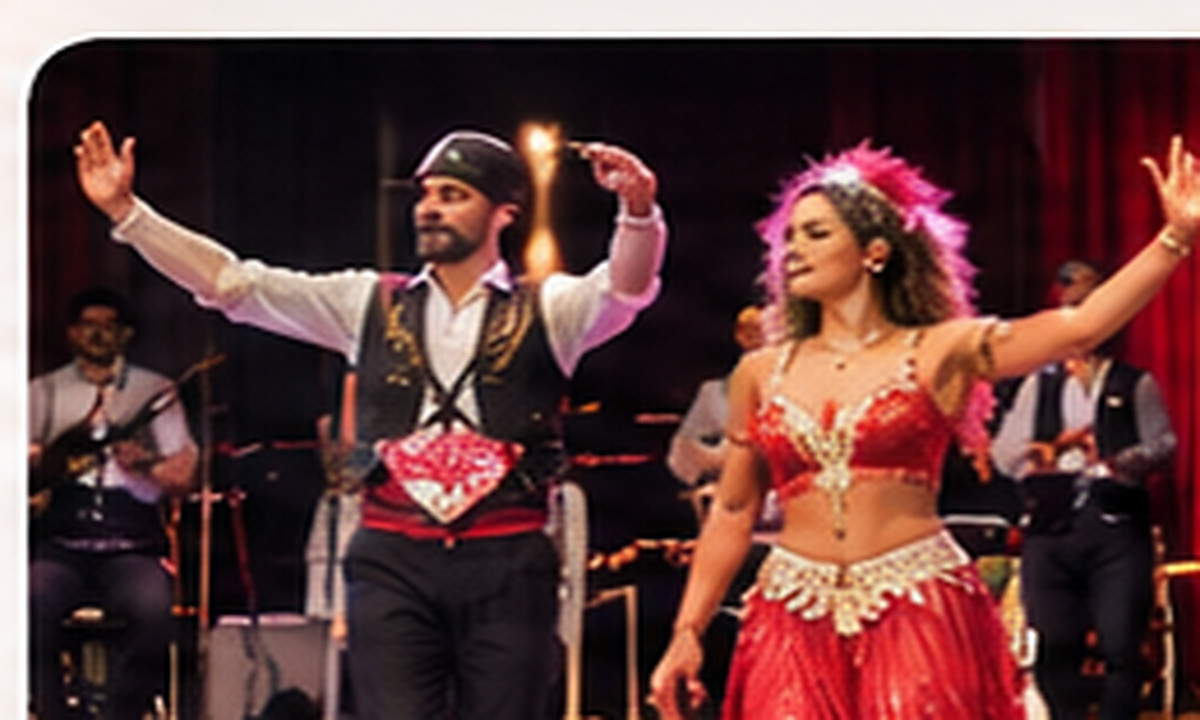
At social celebrations from Istanbul to many other communities, the sound of a familiar Çiftetelli rhythm often brings people onto the floor. Rather than a fixed set of steps, dancers respond with personal gesture, shoulder and torso movement, footwork and playful interaction. Regional styles and music differ. A good introduction starts by listening, keeping the rhythm and learning the local etiquette of the gathering.
Key facts
- Type: Solo and couple social dance
- Origin: Istanbul, Thrace and the Aegean
- Rhythm: Its own 8-beat çiftetelli rhythm
- Music: Clarinet, violin, darbuka, kanun
- Level: Easy to start, personal style
- Where: Weddings, parties, music venues
History timeline
- The name — Çifte telli means “double-stringed”, linked by tradition to a violin with doubled strings.
- Urban music — Grows up in the taverns, weddings and music halls of Istanbul and Thrace.
- Today — A favourite at parties, and the rhythm is shared across Greece and the Balkans.
Did you know?
- Dancers improvise with the shoulders, hips and arms rather than fixed steps.
- In Greece the same rhythm and dance are called tsifteteli.
Performances to watch
- Çiftetelli – Performances
Related dances
Why this dance?
How it's danced
Schools
Promote
Promote your classes on this page
Dancers