History
Rapper Sword Dance
Across borders, the circle continues
Linked line and circle dances shared across Balkan communities.
Why it matters
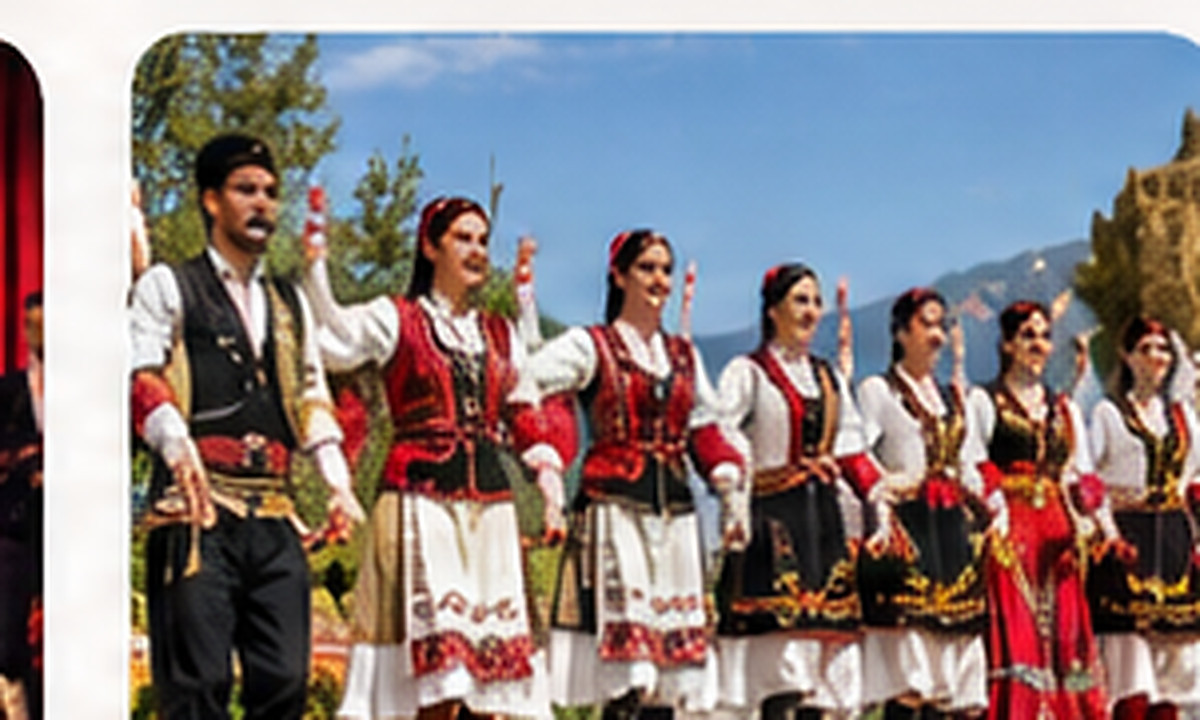
At gatherings in Thrace, friends may form a circle or curved line to dance Hora together. Forms of the tradition circulate across Balkan societies, shaped by local music and communities rather than by modern national boundaries alone. In the Turkish part of Thrace, dancers move through repeated step patterns with changes in tempo, direction and mood. The dance is an invitation to make room for the next person in the line.
Key facts
- Type: Circle and line dance
- Origin: Thrace: Edirne and nearby
- Music: Clarinet, accordion, davul
- Level: Easy
- Where: Weddings, festivals, celebrations
History timeline
- Balkan family — Related to the hora and horo circle dances of Romania, Bulgaria and the Balkans.
- Thrace — Kept alive by Thracian communities, including those who came from the Balkans.
- Today — Danced at weddings and Thracian festivals.
Did you know?
- Everyone holds hands in a ring, so newcomers can join easily.
- The same word, hora, is used for circle dances across much of southeastern Europe.
Performances to watch
- Hora · Thracian Circle Dances – Performances
Related dances
Why this dance?
How it's danced
Schools
Promote
Promote your classes on this page
Dancers