DANZO · India

Regions & traditions

This homepage introduces selected traditions, not every dance in India. The south includes Bharatanatyam, Kuchipudi, Kathakali and Mohiniyattam; the north brings Kathak and Punjabi Bhangra. Gujarat’s Garba and Rajasthan’s Ghoomar represent different western settings. Odisha, Assam and Manipur have distinct classical traditions, while Chhau crosses parts of eastern India. Communities, teaching lineages and diaspora artists connect these regions in many ways.
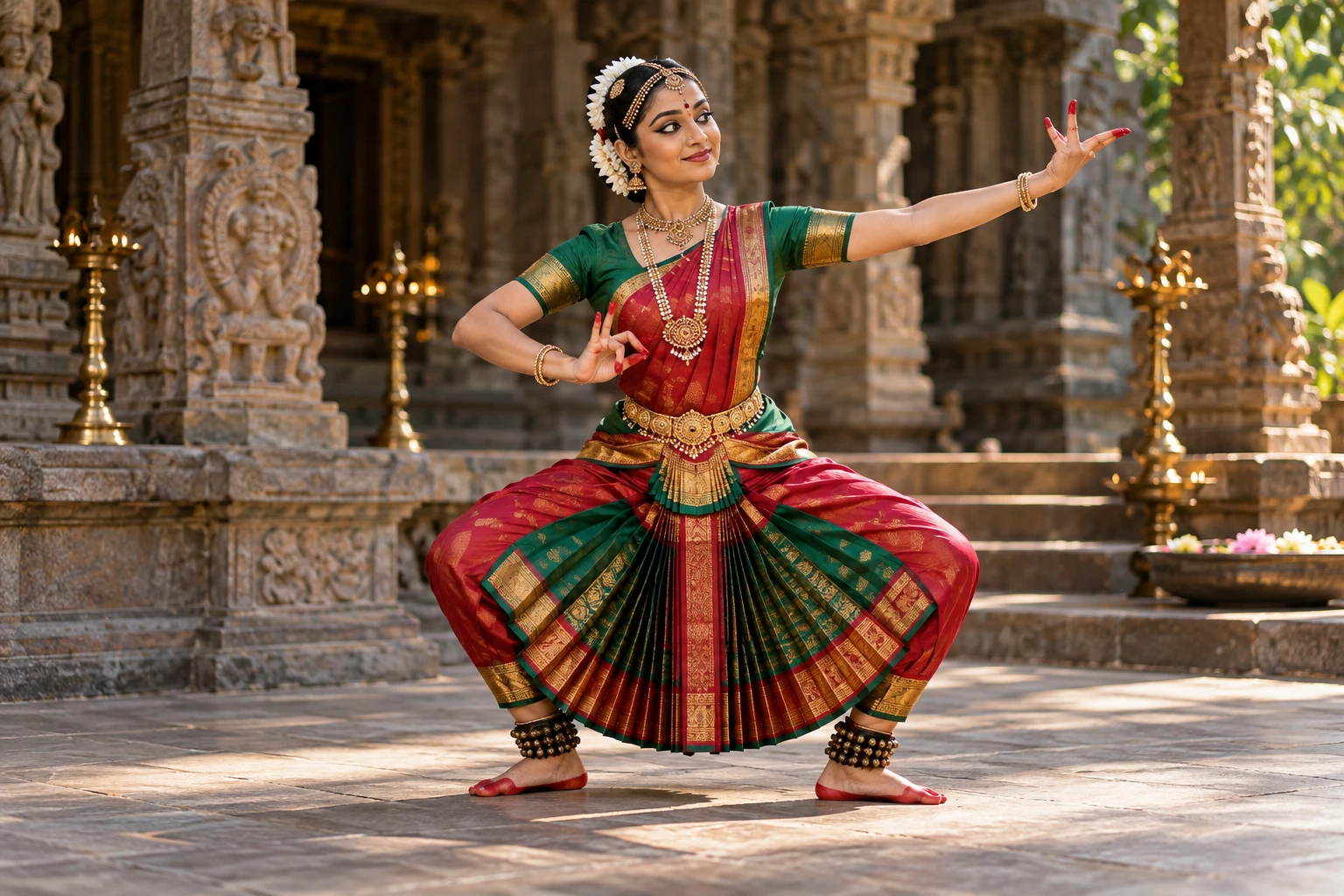
South: Tamil Nadu & Andhra Pradesh

South: Tamil Nadu & Andhra Pradesh

Chennai is an important centre for Bharatanatyam training and performance, while Kuchipudi is closely associated with Andhra Pradesh and its dance-theatre traditions. Both use expressive interpretation and complex rhythmic work, yet they are not interchangeable styles. Explore how posture, musical phrasing, character work and local teaching lineages differ. Institutions such as Kalakshetra provide one entry point; their approach should not be treated as the only legitimate lineage.
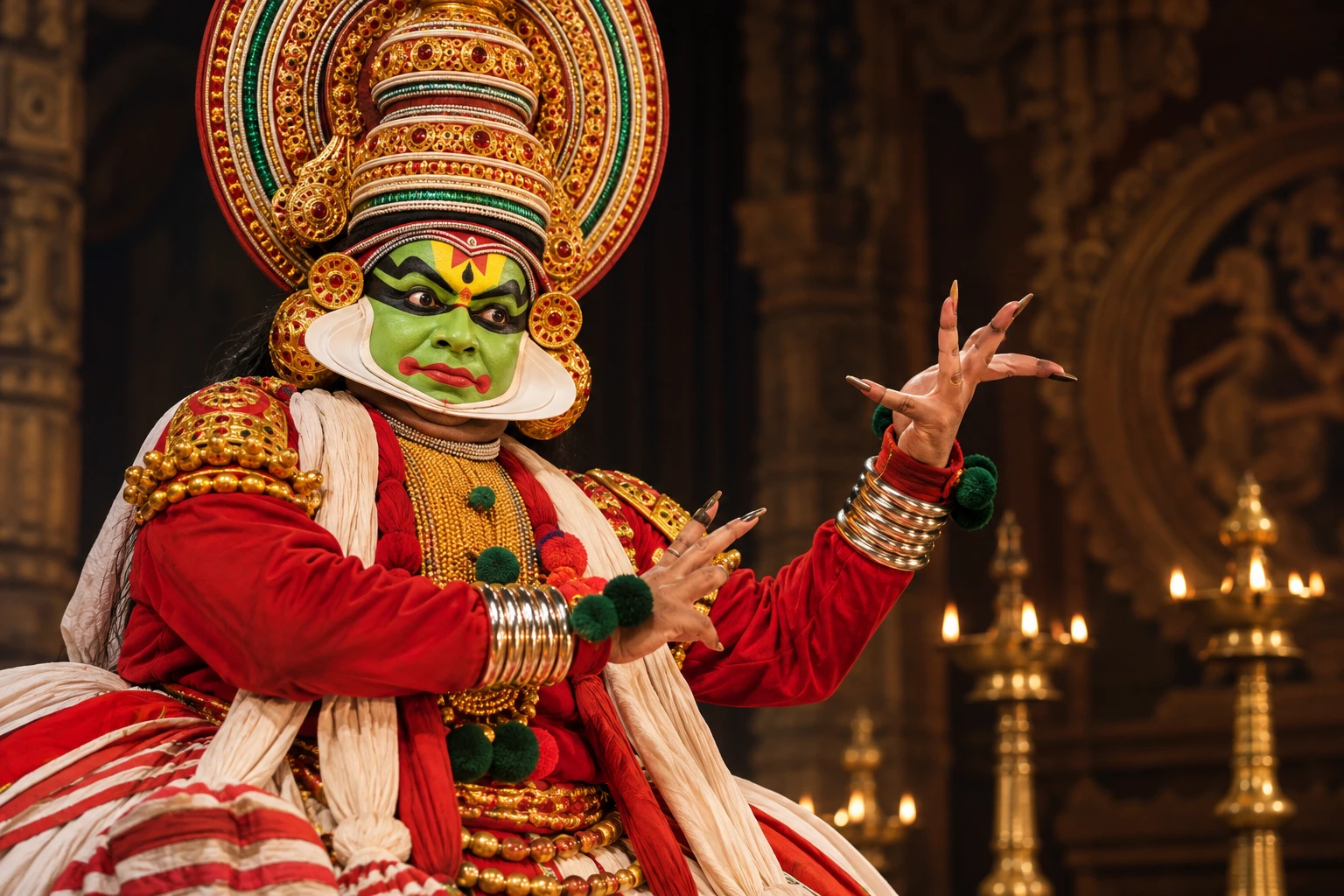
Kerala: dance-theatre and flowing movement

Kerala: dance-theatre and flowing movement

Kerala includes Kathakali’s highly stylised dance-theatre and Mohiniyattam’s flowing movement language. Look beyond costume: training develops gaze, gesture, rhythm, bodily control and interpretation over many years. Kerala Kalamandalam is an important teaching institution. Performances may range from short visitor introductions to extended repertory presentations; ask what you will see and whether contextual explanation is provided.
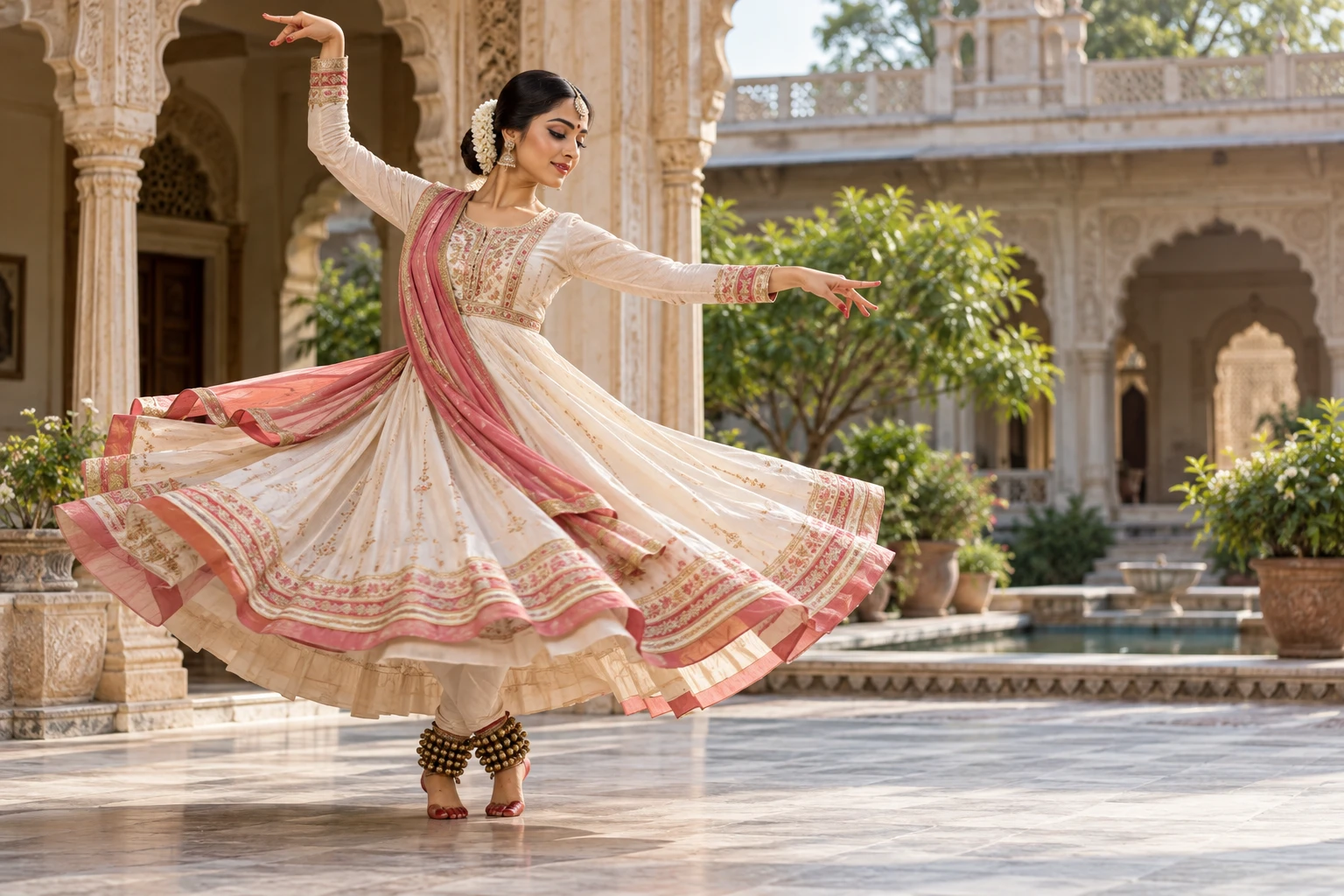
North: Kathak and Punjabi celebration

North: Kathak and Punjabi celebration

North India is not one uniform dance region. Kathak links rhythmic footwork, spins and interpretive storytelling with several teaching gharanas. Punjab’s Bhangra belongs to a different music-and-dance world, associated with celebration, dhol rhythm and changing stage cultures. New Delhi’s Kathak Kendra is a formal training reference; community Bhangra groups and teachers require their own local research.
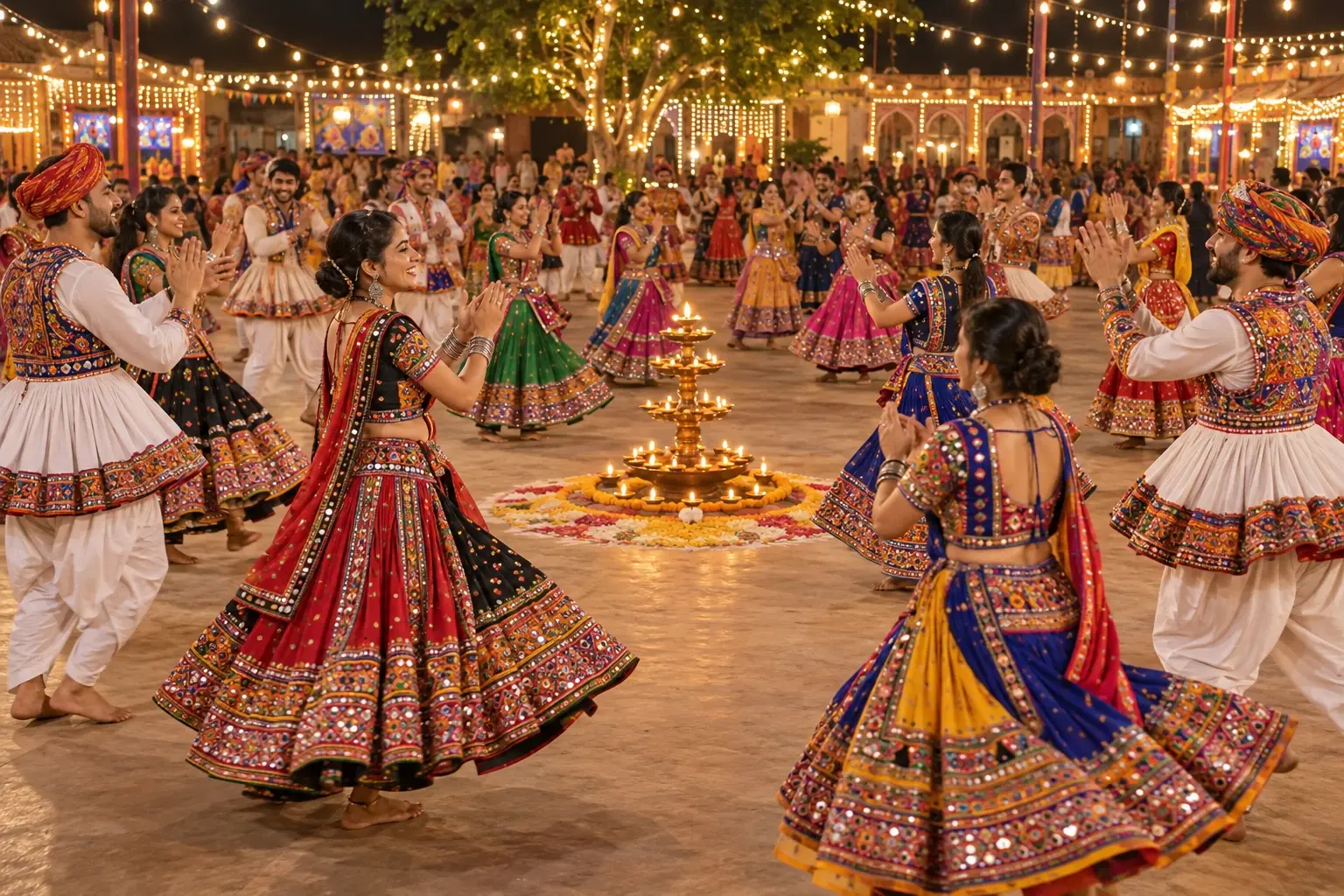
West: Gujarat & Rajasthan

West: Gujarat & Rajasthan

Garba in Gujarat and Ghoomar in Rajasthan are distinct traditions rather than one generic western folk dance. Garba often centres circular participation and Navratri devotion; Ghoomar is associated with women’s celebrations and graceful turning. Clothing, repertoire and participation expectations vary by community. Ask hosts before joining a devotional gathering or photographing participants, and distinguish local practice from a staged visitor presentation.
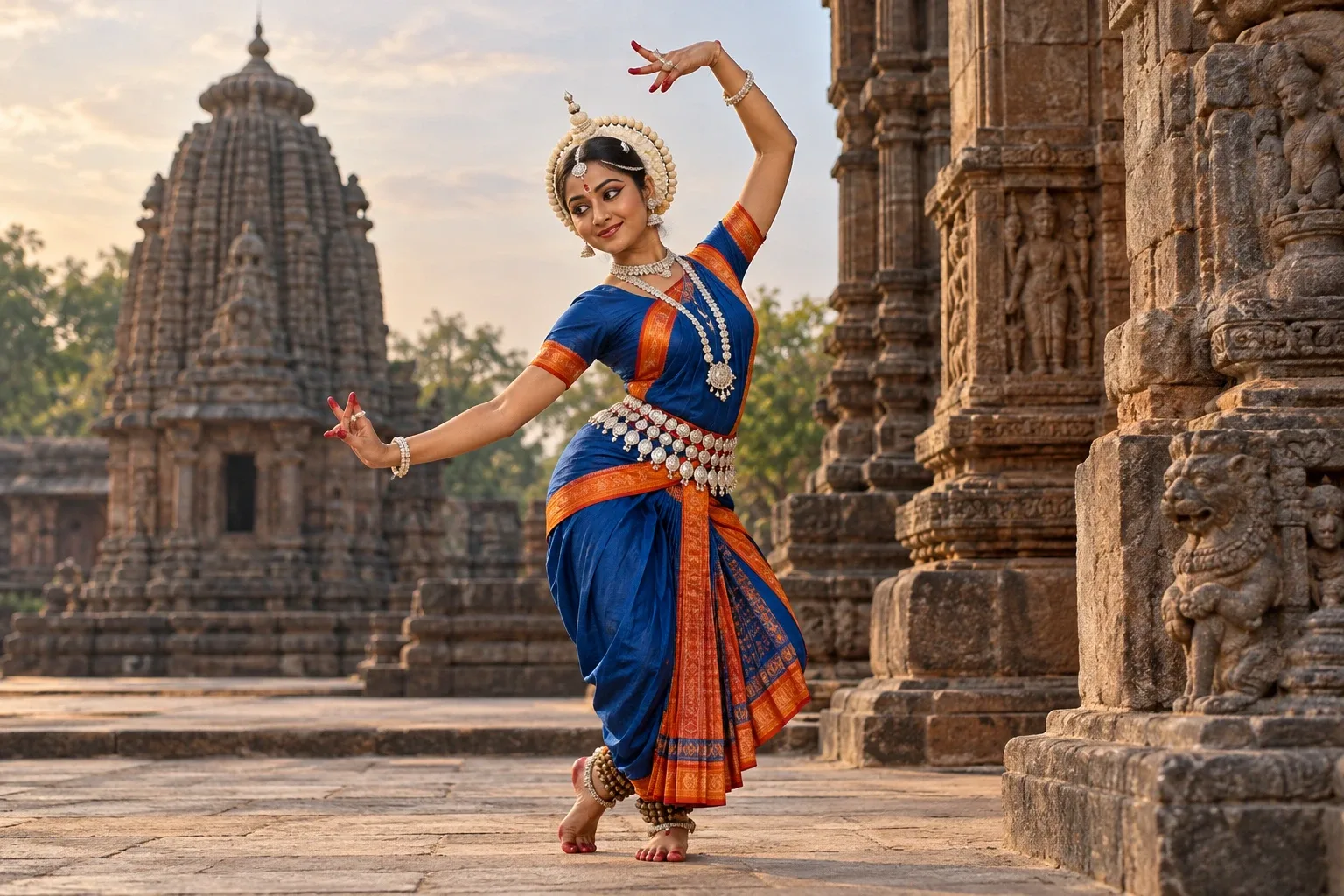
East: Odisha and Chhau regions

East: Odisha and Chhau regions

Odissi is closely associated with Odisha, while Chhau has distinct centres in Purulia, Seraikella and Mayurbhanj across West Bengal, Jharkhand and Odisha. Masks are used in the first two styles; Mayurbhanj Chhau is unmasked. Konark’s festival offers a major classical platform, but a festival programme cannot stand in for the full range of village and community performance contexts.
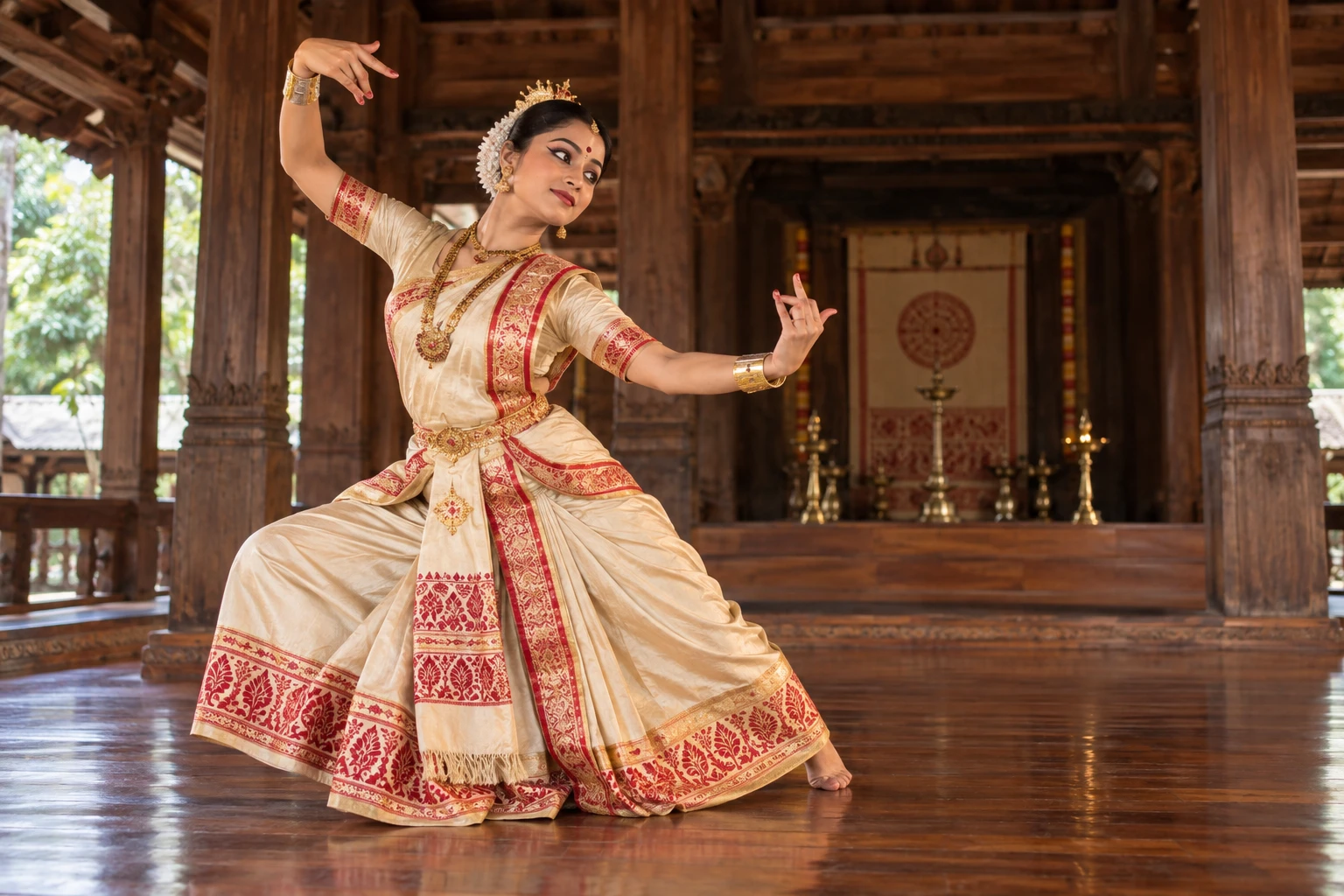
Northeast: Assam & Manipur

Northeast: Assam & Manipur

Assam’s Sattriya tradition has connections to Vaishnava satras and devotional theatre. Manipur has a different and diverse performance world: the classical repertoire includes Ras Lila, while the region also sustains other ritual and community traditions. Neither state should be used as a shorthand for the entire northeast. Sattriyakristi and JNMDA provide different kinds of learning references in Guwahati and Imphal.

Regions & traditionsDance traditions
South: Tamil Nadu & Andhra PradeshBharatanatyam, Kuchipudi
Kerala: dance-theatre and flowing movementKathakali, Mohiniyattam
North: Kathak and Punjabi celebrationKathak, Bhangra
West: Gujarat & RajasthanGarba, Ghoomar
East: Odisha and Chhau regionsOdissi, Chhau
Northeast: Assam & ManipurManipuri, Sattriya

DANZO · India

Regiones y tradiciones

Esta portada presenta una selección, no todas las danzas de India. El sur incluye Bharatanatyam, Kuchipudi, Kathakali y Mohiniyattam; el norte, Kathak y Bhangra. Garba y Ghoomar corresponden a diferentes contextos occidentales. Odisha, Assam y Manipur tienen tradiciones clásicas propias; Chhau se extiende por zonas orientales. Comunidades, linajes y diásporas conectan estas regiones.

Sur: Tamil Nadu y Andhra Pradesh

Sur: Tamil Nadu y Andhra Pradesh

Chennai es un centro importante de Bharatanatyam; Kuchipudi se vincula con Andhra Pradesh y su teatro danzado. Ambas formas trabajan ritmo e interpretación, pero no son intercambiables. Compara posturas, frases musicales y construcción de personajes. Kalakshetra ofrece una puerta de entrada, no el único linaje válido.

Kerala: teatro danzado y fluidez

Kerala: teatro danzado y fluidez

Kerala reúne el teatro estilizado de Kathakali y la fluidez de Mohiniyattam. Más allá del vestuario, la formación desarrolla mirada, gesto, ritmo y control corporal. Kerala Kalamandalam es un centro importante. Las funciones pueden ser breves introducciones o programas amplios: pregunta por el repertorio y la explicación ofrecida.

Norte: Kathak y celebración punjabí

Norte: Kathak y celebración punjabí

El norte no es una región uniforme. Kathak une zapateado, giros y relato con diversos gharanas. Bhangra pertenece a otro mundo musical, ligado a celebración, dhol y escena cambiante. Kathak Kendra en Nueva Delhi es una referencia formal; los grupos comunitarios de Bhangra requieren investigación local propia.

Oeste: Gujarat y Rajasthan

Oeste: Gujarat y Rajasthan

Garba y Ghoomar son tradiciones distintas, no un único folclore occidental. Garba suele reunir círculos y devoción de Navratri; Ghoomar se asocia a fiestas de mujeres y giros. Vestuario y participación varían. Pregunta antes de incorporarte a encuentros devocionales o fotografiar y distingue práctica local de puesta en escena turística.

Este: Odisha y regiones de Chhau

Este: Odisha y regiones de Chhau

Odissi se asocia con Odisha. Chhau tiene centros propios en Purulia, Seraikella y Mayurbhanj, entre Bengala Occidental, Jharkhand y Odisha. Los dos primeros estilos usan máscaras; Mayurbhanj no. Konark ofrece una gran plataforma clásica, sin representar todos los contextos comunitarios o rurales.

Noreste: Assam y Manipur

Noreste: Assam y Manipur

Sattriya de Assam se vincula con satras vaisnavas y teatro devocional. Manipur tiene otro mundo escénico: su repertorio clásico incluye Ras Lila junto a otras tradiciones comunitarias y rituales. Ningún estado representa a todo el noreste. Sattriyakristi y JNMDA ofrecen referencias diferentes en Guwahati e Imphal.

Regiones y tradicionesTradiciones de danza
Sur: Tamil Nadu y Andhra PradeshBharatanatyam, Kuchipudi
Kerala: teatro danzado y fluidezKathakali, Mohiniyattam
Norte: Kathak y celebración punjabíKathak, Bhangra
Oeste: Gujarat y RajasthanGarba, Ghoomar
Este: Odisha y regiones de ChhauOdissi, Chhau
Noreste: Assam y ManipurManipuri, Sattriya

DANZO · هند

مناطق و سنت‌ها

این صفحه گزیده‌ای از سنت‌ها را معرفی می‌کند، نه تمام رقص‌های هند را. جنوب شامل بهاراتاناتیام، کوچی‌پودی، کاتاکالی و موهینی‌آتام است؛ شمال با کاتاک و بانگرای پنجابی شناخته می‌شود. گاربا و گومار به زمینه‌های متفاوت غرب هند تعلق دارند. اودیشا، آسام و مانیپور سنت‌های کلاسیک متمایز دارند و چائو در بخش‌هایی از شرق رواج دارد. جوامع، تبارهای آموزشی و هنرمندان مهاجر این مناطق را به هم پیوند می‌دهند.

جنوب: تامیل نادو و آندرا پرادش

جنوب: تامیل نادو و آندرا پرادش

چنای مرکز مهم آموزش و اجرای بهاراتاناتیام است و کوچی‌پودی با آندرا پرادش و نمایش رقص آن پیوند دارد. هر دو ریتم و بیان پیچیده دارند، اما یکسان نیستند. تفاوت حالت بدن، جمله‌بندی موسیقی، شخصیت‌پردازی و تبار آموزشی را دنبال کنید. کالاکشترا یکی از راه‌های آشنایی است، نه تنها تبار معتبر.

کرالا: نمایش رقص و حرکت روان

کرالا: نمایش رقص و حرکت روان

کرالا هم نمایش بسیار سبک‌پردازی‌شدهٔ کاتاکالی را دارد و هم زبان روان موهینی‌آتام را. فراتر از پوشاک، آموزش طی سال‌ها نگاه، اشاره، ریتم و کنترل بدن را پرورش می‌دهد. کالاماندالام مرکز آموزشی مهمی است. اجرا ممکن است معرفی کوتاه بازدیدکنندگان یا برنامهٔ مفصل باشد؛ دربارهٔ رپرتوار و توضیح همراه آن بپرسید.

شمال: کاتاک و جشن پنجابی

شمال: کاتاک و جشن پنجابی

شمال هند یک منطقهٔ رقص یکدست نیست. کاتاک پاکوبی، چرخش و روایت را با گَرانه‌های آموزشی گوناگون پیوند می‌دهد. بانگرای پنجاب به جهانی دیگر از موسیقی و جشن، ضرب دهل و فرهنگ صحنه تعلق دارد. کاتاک کندرا در دهلی مرجع آموزش رسمی است؛ برای گروه‌های محلی بانگرا باید جداگانه پژوهش کرد.

غرب: گجرات و راجستان

غرب: گجرات و راجستان

گاربا و گومار سنت‌های متمایزند، نه یک فولکلور عمومی غربی. گاربا اغلب بر مشارکت حلقه‌ای و نیایش ناوراتری تمرکز دارد؛ گومار با جشن زنان و چرخش ظریف پیوند دارد. پوشاک و شیوهٔ حضور متفاوت است. پیش از پیوستن به گردهمایی نیایشی یا عکاسی از میزبان اجازه بگیرید و اجرای محلی را از نمایش گردشگری جدا کنید.

شرق: اودیشا و مناطق چائو

شرق: اودیشا و مناطق چائو

اودیسی با اودیشا پیوند دارد؛ چائو در پورولیا، سرایکلا و مایوربهانج، میان بنگال غربی، جارکند و اودیشا مراکز متفاوت دارد. دو سبک نخست نقاب‌دارند و مایوربهانج بدون نقاب است. جشنوارهٔ کونارک صحنهٔ مهم کلاسیک است، اما نمایندهٔ تمام زمینه‌های روستایی و جمعی نیست.

شمال‌شرق: آسام و مانیپور

شمال‌شرق: آسام و مانیپور

ساتریای آسام با ساتراهای ویشنوپرست و نمایش نیایشی پیوند دارد. مانیپور جهان اجرایی متفاوت و متنوعی دارد؛ رپرتوار کلاسیک آن شامل راس لیلاست، در کنار سنت‌های آیینی و جمعی دیگر. هیچ‌یک نمایندهٔ تمام شمال‌شرق نیست. ساتریاکریشتی و آکادمی مانیپور در گواهاتی و ایمپال مرجع‌های متفاوتی برای آموختن‌اند.

مناطق و سنت‌هاسنت‌های رقص
جنوب: تامیل نادو و آندرا پرادشبهاراتاناتیام, کوچی‌پودی
کرالا: نمایش رقص و حرکت روانکاتاکالی, موهینی‌آتام
شمال: کاتاک و جشن پنجابیکاتاک, بانگرا
غرب: گجرات و راجستانگاربا, گومار
شرق: اودیشا و مناطق چائواودیسی, چائو
شمال‌شرق: آسام و مانیپورمانیپوری, ساتریا