
2010
Chhau was inscribed on UNESCO’s Representative List of the Intangible Cultural Heritage of Humanity.
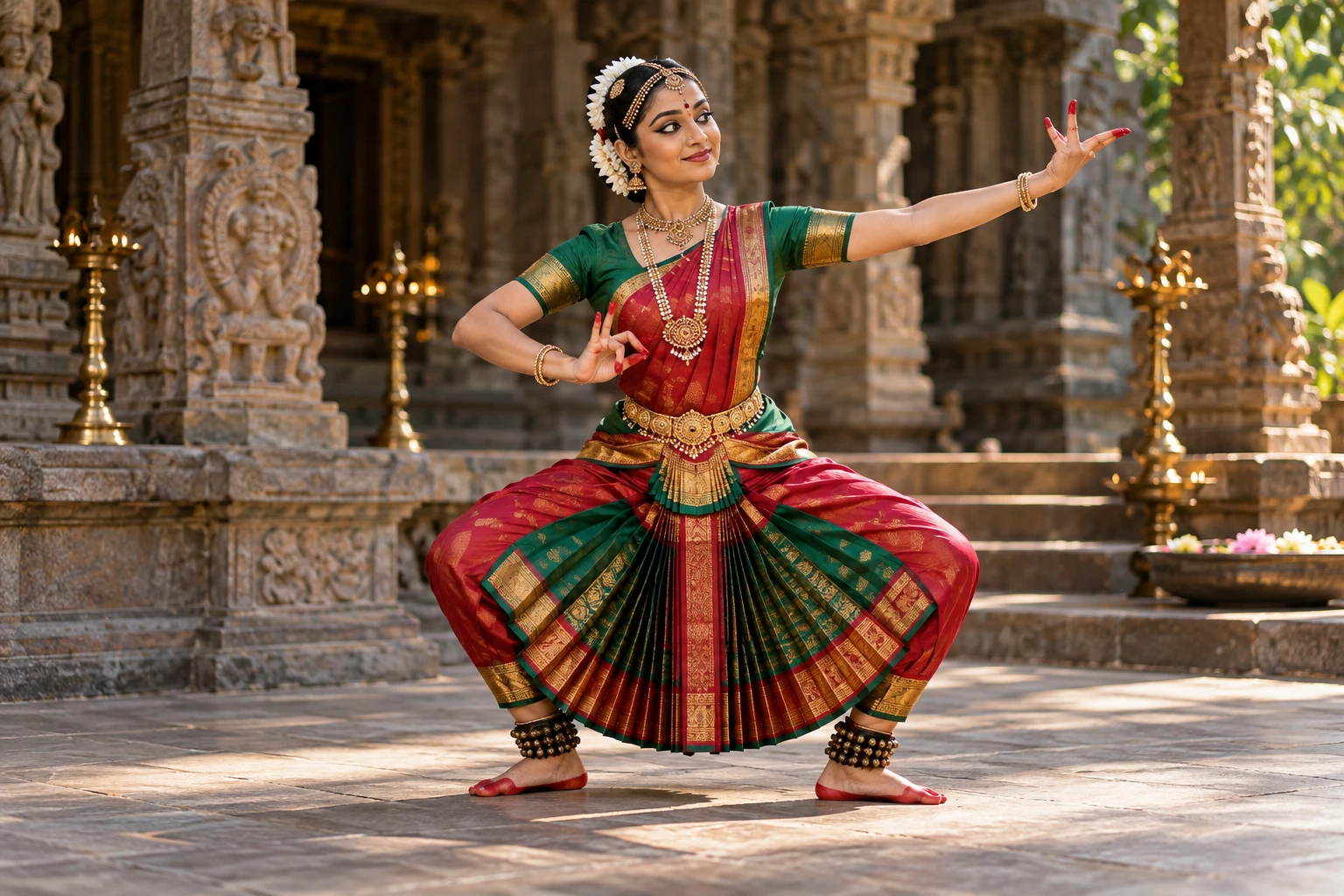
DANZO · India
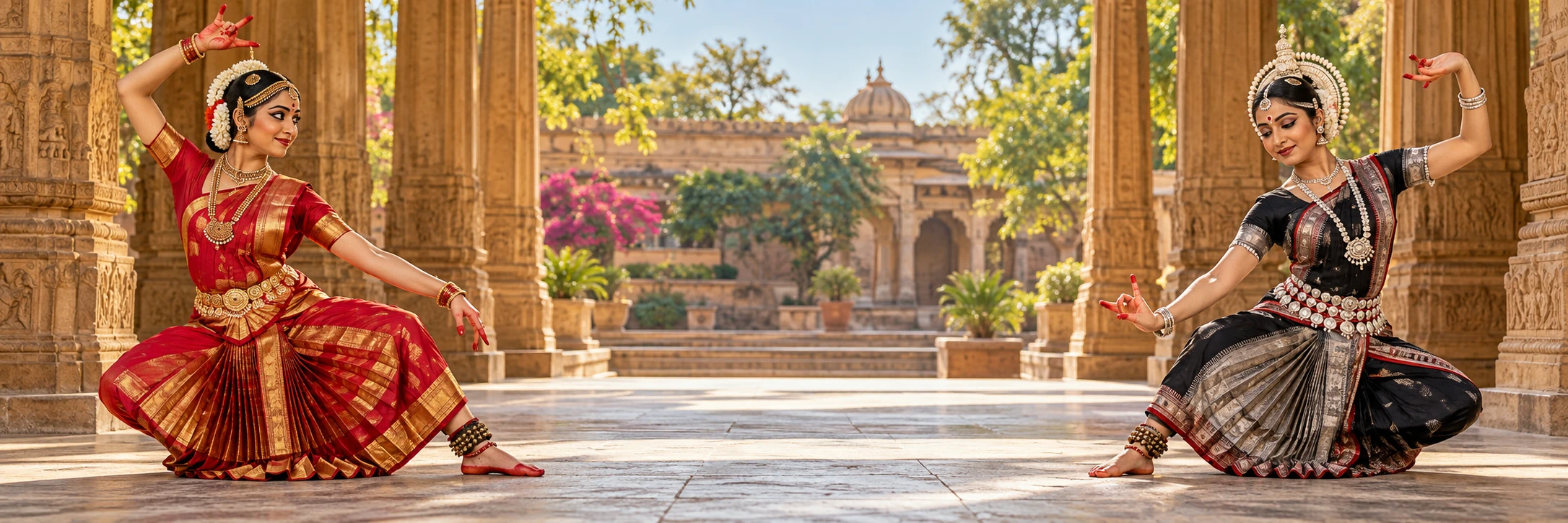
Indian dance cannot be reduced to one language, religion or region. Theatre, music, poetry, community festivities and ritual have intersected in different ways across the subcontinent. Early sculptures and texts are important evidence of movement cultures, but they do not prove that a modern choreography has survived unchanged from antiquity. The useful question is how particular communities transmit, reinterpret and sustain their practices.
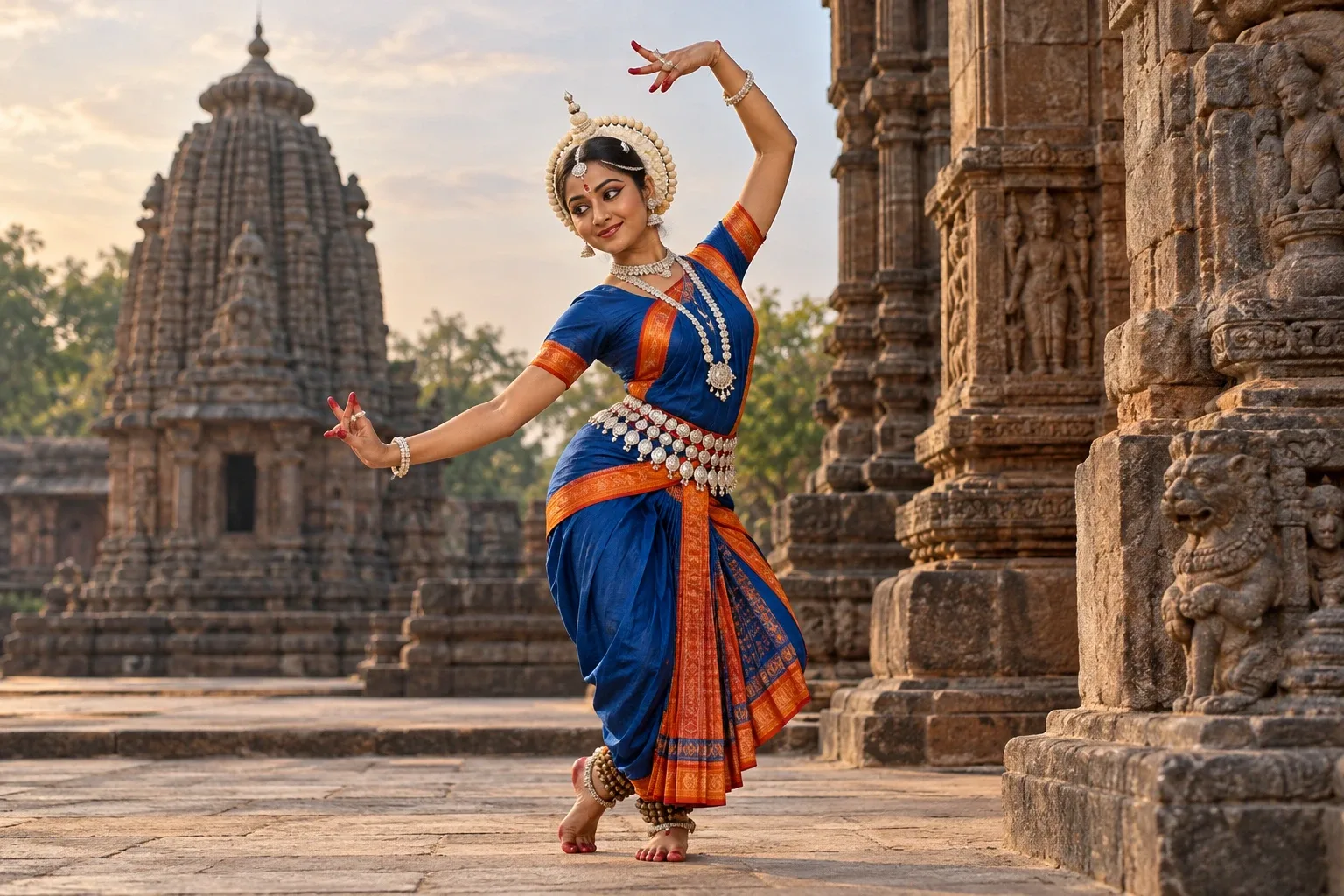
The Natyashastra is a foundational work on performance, not a single manual used identically by every Indian dancer. The terms nritta, nritya and natya help distinguish rhythmic movement, expressive interpretation and dramatic action. Gesture, facial expression, gaze and music can work together to communicate a story or emotional world. Each tradition and teaching lineage has its own vocabulary and priorities.
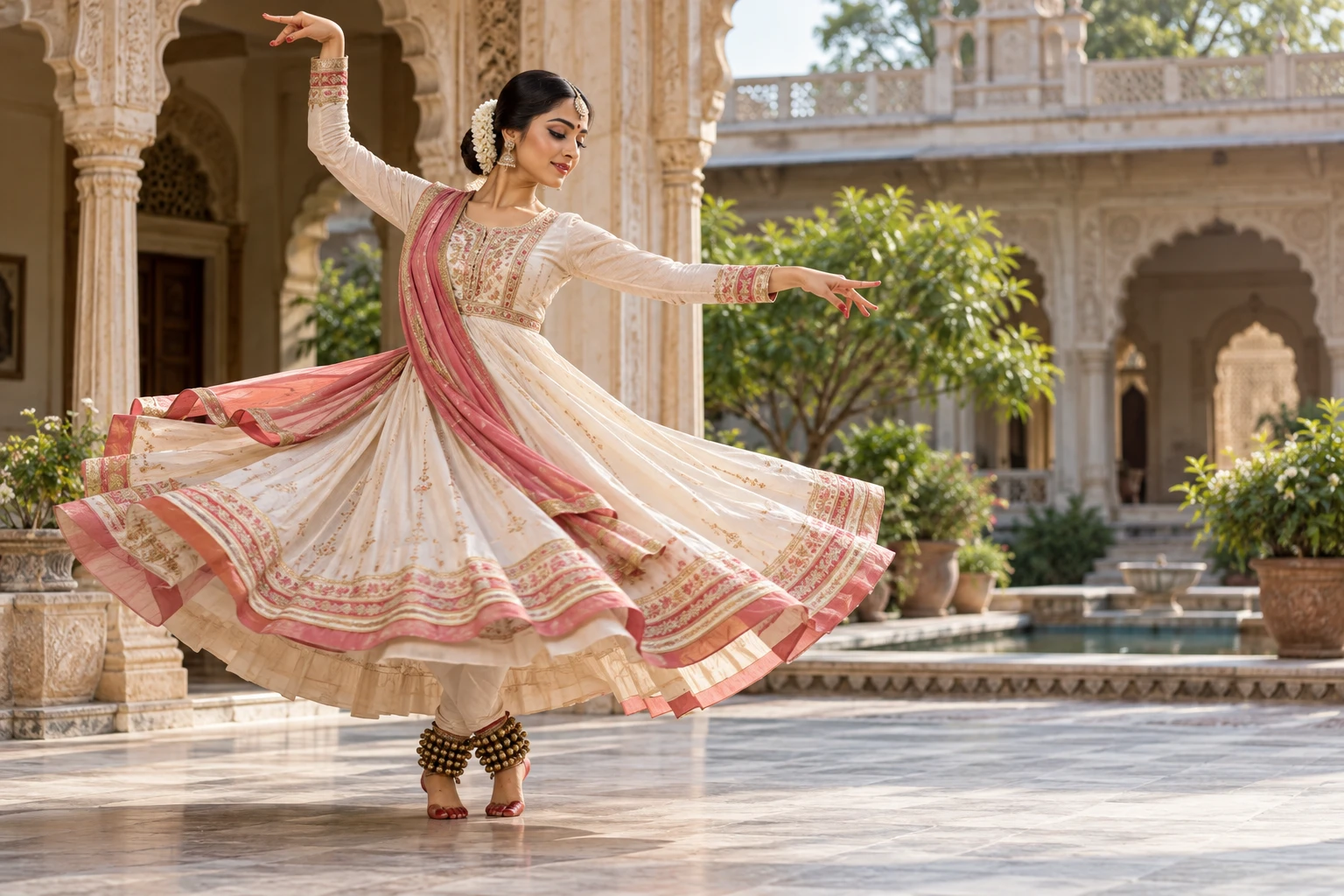
Hereditary artists, temples, courts, monasteries and village communities all belong in the history. Bharatanatyam must be understood with the work of hereditary women performers and musicians; Kathak developed through devotional storytelling and courtly settings. Sattriya has deep connections with Assam’s Vaishnava satras. These examples show why a single temple-to-stage narrative cannot explain every form, and why dancers’ social histories matter alongside technique.
Modern classical dance took shape through change as well as continuity. Colonial moral judgements and later reform movements altered patronage and public attitudes. Twentieth-century schools, choreographers and institutions reorganised training and repertoire. Revivals created new opportunities, but some hereditary communities were marginalised. A careful history can celebrate artistic achievement while recognising the people whose work made it possible.
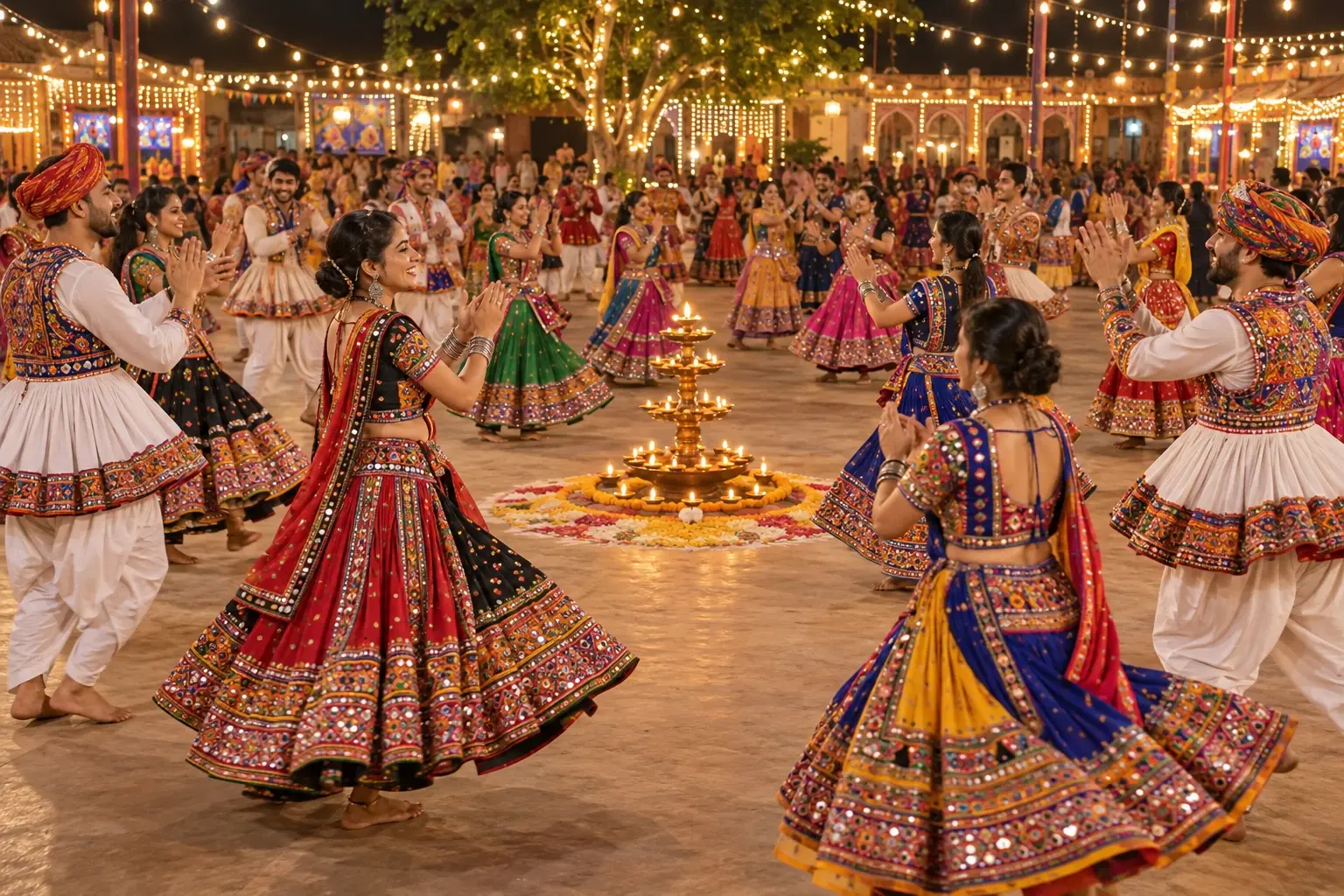
Community dances are not a lesser version of classical dance. Garba links participation, devotion and circular movement in Gujarat; Bhangra expresses Punjabi celebration through powerful rhythm; Ghoomar belongs to women’s festive traditions in Rajasthan. Chhau connects theatrical storytelling with martial and local movement vocabularies in eastern India. These practices change through festivals, migration, teaching and new performance settings.
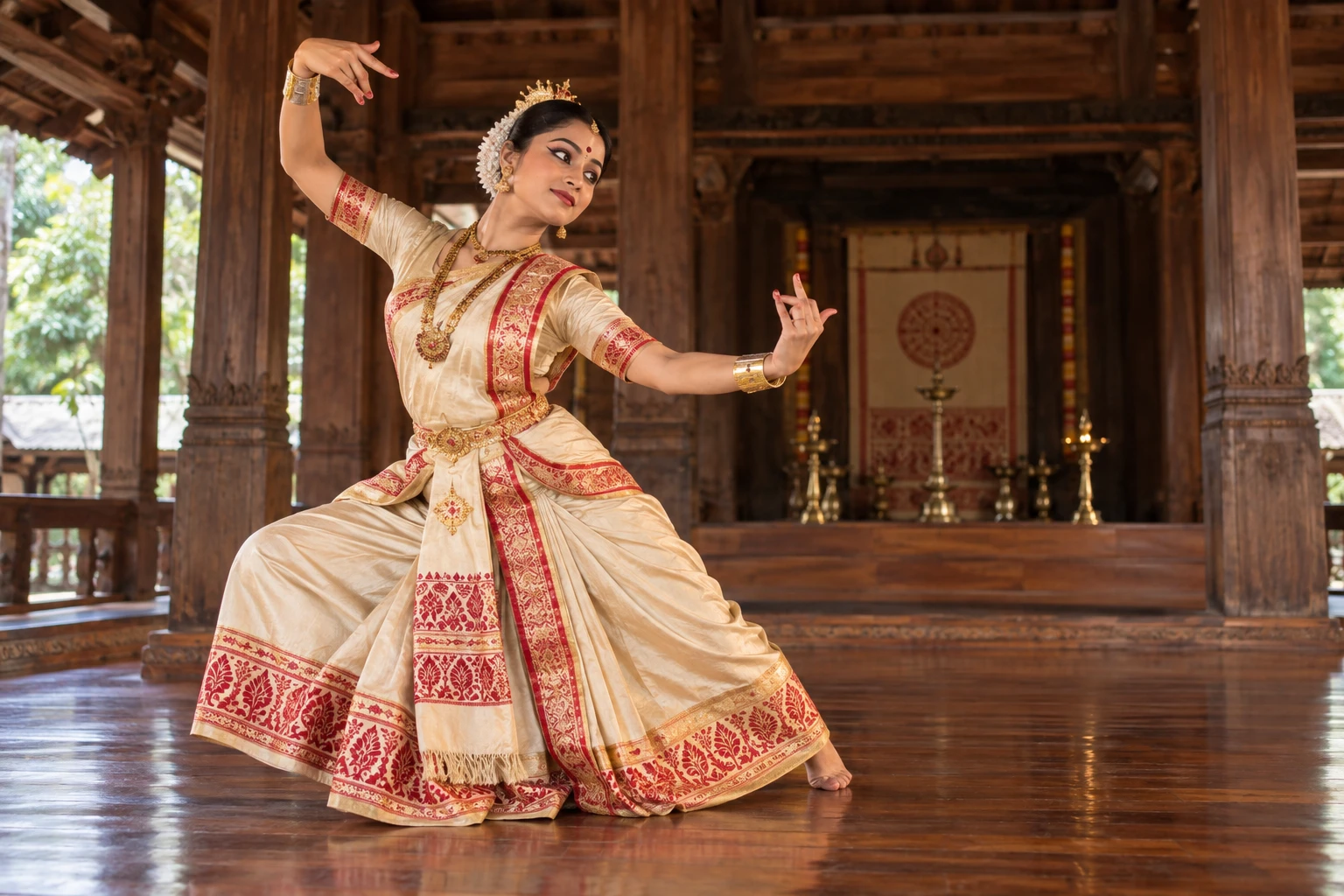
Today, teachers and performers work in local communities, conservatories, universities, touring companies and diaspora settings. Heritage recognition supports visibility but does not replace sustained teaching, fair payment or community control. UNESCO lists Chhau in 2010 and Garba in 2023; neither entry represents every dance in India. Learn from a qualified teacher, credit the lineage and distinguish an illustrative image from a documentary record.
Chhau was inscribed on UNESCO’s Representative List of the Intangible Cultural Heritage of Humanity.
Garba of Gujarat was inscribed on the same UNESCO list. Recognition does not mean a tradition stops changing.
No. Repertoires include abstract rhythm, poetry, devotion, theatre, celebration and contemporary themes. Ask about the specific work.
DANZO · India
La danza de India no se reduce a una lengua, religión o región. Teatro, música, poesía, fiestas y rituales se relacionaron de distintas maneras. Las esculturas y los textos antiguos aportan evidencias de culturas del movimiento, pero no prueban que una coreografía actual haya permanecido intacta. Importa comprender cómo cada comunidad transmite, interpreta y sostiene sus prácticas.
El Natyashastra es una obra fundamental sobre la representación, no un manual idéntico para todo bailarín. Nritta, nritya y natya ayudan a distinguir movimiento rítmico, interpretación expresiva y acción dramática. Gestos, rostro, mirada y música pueden comunicar relatos y emociones. Cada tradición y linaje docente desarrolla vocabularios y prioridades propios.
Artistas hereditarios, templos, cortes, monasterios y comunidades rurales forman parte de la historia. Bharatanatyam exige reconocer a intérpretes y músicos hereditarios; Kathak incluye narración devocional y ámbitos cortesanos. Sattriya está ligado a los satras vaisnavas de Assam. Una sola historia de templo a escenario no explica todas las formas: las historias sociales importan tanto como la técnica.
La danza clásica moderna surgió tanto del cambio como de la continuidad. Los juicios coloniales y las reformas alteraron el patronazgo y la mirada pública. Escuelas, coreógrafos e instituciones del siglo XX reorganizaron enseñanza y repertorios. La renovación abrió oportunidades, pero marginó a algunas comunidades hereditarias. Celebrar el arte también requiere reconocer a quienes lo hicieron posible.
Las danzas comunitarias no son una versión menor de las clásicas. Garba une participación y devoción en Gujarat; Bhangra expresa la celebración punjabí; Ghoomar forma parte de las fiestas de mujeres de Rajasthan. Chhau relaciona teatro y vocabularios marciales y locales del este. Festivales, migración, enseñanza y nuevos escenarios las transforman.
Hoy se enseña y crea en comunidades, conservatorios, universidades, compañías y diásporas. El reconocimiento patrimonial no sustituye la enseñanza sostenida, la remuneración justa ni la voz comunitaria. UNESCO inscribió Chhau en 2010 y Garba en 2023; estas entradas no representan todas las danzas. Aprende con docentes, acredita linajes y distingue ilustración de documento.
Chhau fue inscrito en la Lista Representativa del Patrimonio Cultural Inmaterial de la UNESCO.
Garba de Gujarat fue inscrito en la misma lista. El reconocimiento no detiene el cambio de una tradición.
No. Hay ritmo abstracto, poesía, devoción, teatro, celebraciones y temas actuales. Pregunta por la obra concreta.
DANZO · هند
رقص هند به یک زبان، دین یا منطقه فروکاستنی نیست. نمایش، موسیقی، شعر، جشن و آیین در سراسر این سرزمین به شیوههای گوناگون پیوند خوردهاند. پیکرهها و متنهای کهن شواهد مهمیاند، اما ثابت نمیکنند یک طراحی رقص امروزی بدون تغییر از باستان باقی مانده است. پرسش مهم این است که هر جامعه چگونه سنت خود را منتقل، بازتفسیر و حفظ میکند.
ناتیاشاسترا اثری بنیادین دربارهٔ اجراست، نه دستورنامهای که همه یکسان به کار برند. نریتا، نریتیا و ناتیا به تمایز حرکت ریتمیک، تفسیر بیانگر و کنش نمایشی کمک میکنند. اشاره، چهره، نگاه و موسیقی میتوانند داستان و جهان عاطفی بسازند. هر سنت و تبار آموزشی واژگان و اولویتهای خود را دارد.
هنرمندان موروثی، معبدها، دربارها، صومعهها و جوامع روستایی همگی بخشی از تاریخاند. بهاراتاناتیام را باید با نقش زنان اجراگر و موسیقیدانان موروثی شناخت؛ کاتاک با روایت نیایشی و محیط درباری پیوند دارد و ساتریا با ساتراهای ویشنوپرست آسام. این نمونهها نشان میدهند یک روایت سادهٔ «معبد تا صحنه» کافی نیست؛ تاریخ اجتماعی هنرمندان به اندازهٔ فن اهمیت دارد.
رقص کلاسیک مدرن هم از تداوم و هم از تغییر شکل گرفت. داوریهای اخلاقی استعماری و اصلاحات بعدی، حمایت هنری و نگاه عمومی را دگرگون کردند. مدارس و نهادهای سدهٔ بیستم آموزش و رپرتوار را بازآرایی کردند. احیا فرصتهای تازه ساخت، اما برخی جوامع موروثی به حاشیه رفتند. تاریخ دقیق هم دستاورد هنری را ارج مینهد و هم سهم سازندگانش را بازمیشناسد.
رقص جمعی نسخهای کمارزشتر از رقص کلاسیک نیست. گاربا در گجرات مشارکت و نیایش را با حرکت حلقهای پیوند میدهد؛ بانگرا جشن پنجابی را با ریتمی نیرومند بیان میکند و گومار از سنتهای جشن زنان راجستان است. چائو روایت نمایشی را با واژگان رزمی و محلی شرق هند همراه میکند. جشنواره، مهاجرت، آموزش و صحنههای تازه این شیوهها را دگرگون میکنند.
امروز آموزگاران و اجراگران در جامعههای محلی، کنسرواتوارها، دانشگاهها، گروههای سیار و میان مهاجران فعالیت دارند. ثبت میراث جای آموزش پایدار، دستمزد منصفانه و اختیار جامعه را نمیگیرد. چائو در ۲۰۱۰ و گاربا در ۲۰۲۳ در یونسکو ثبت شدند؛ هیچکدام نمایندهٔ همهٔ رقصهای هند نیستند. با آموزگار شایسته بیاموزید، تبار را نام ببرید و تصویرسازی را از سند جدا کنید.
چائو در فهرست نمایندهٔ میراث فرهنگی ناملموس یونسکو ثبت شد.
گاربای گجرات در همان فهرست ثبت شد. ثبت میراث به معنای توقف دگرگونی سنت نیست.
خیر. رپرتوارها شامل ریتم انتزاعی، شعر، نیایش، نمایش، جشن و موضوعات معاصرند. دربارهٔ اثر مشخص بپرسید.