A Lakota prayer · SKIESWARRIOR

Mitákuye Oyás'iŋ

All my relatives. We are all related.

Say itmee‑TAH‑koo‑yeh oh‑YAH‑s’ee(n)

The final “ŋ” is not pronounced as a full n: it makes the vowel before it nasal.

Word by word

mi‑my
tákuyerelatives, kin
oyás'iŋall

Together: “all my relatives”. Many translate it more freely as “we are all related” or “all my relations”. Some Lakota speakers say that a single English word comes closest: oneness.

Who are “my relatives”?

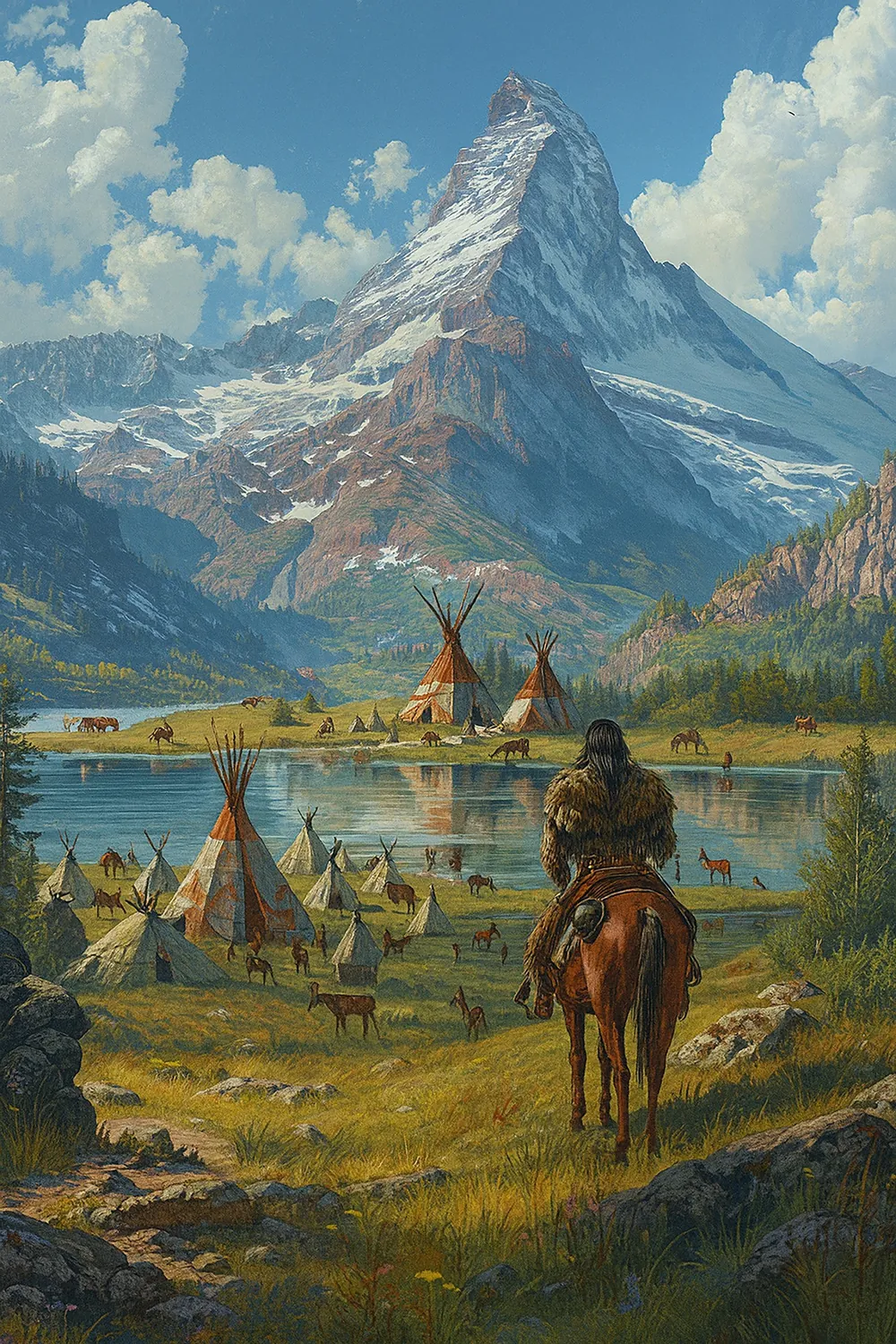
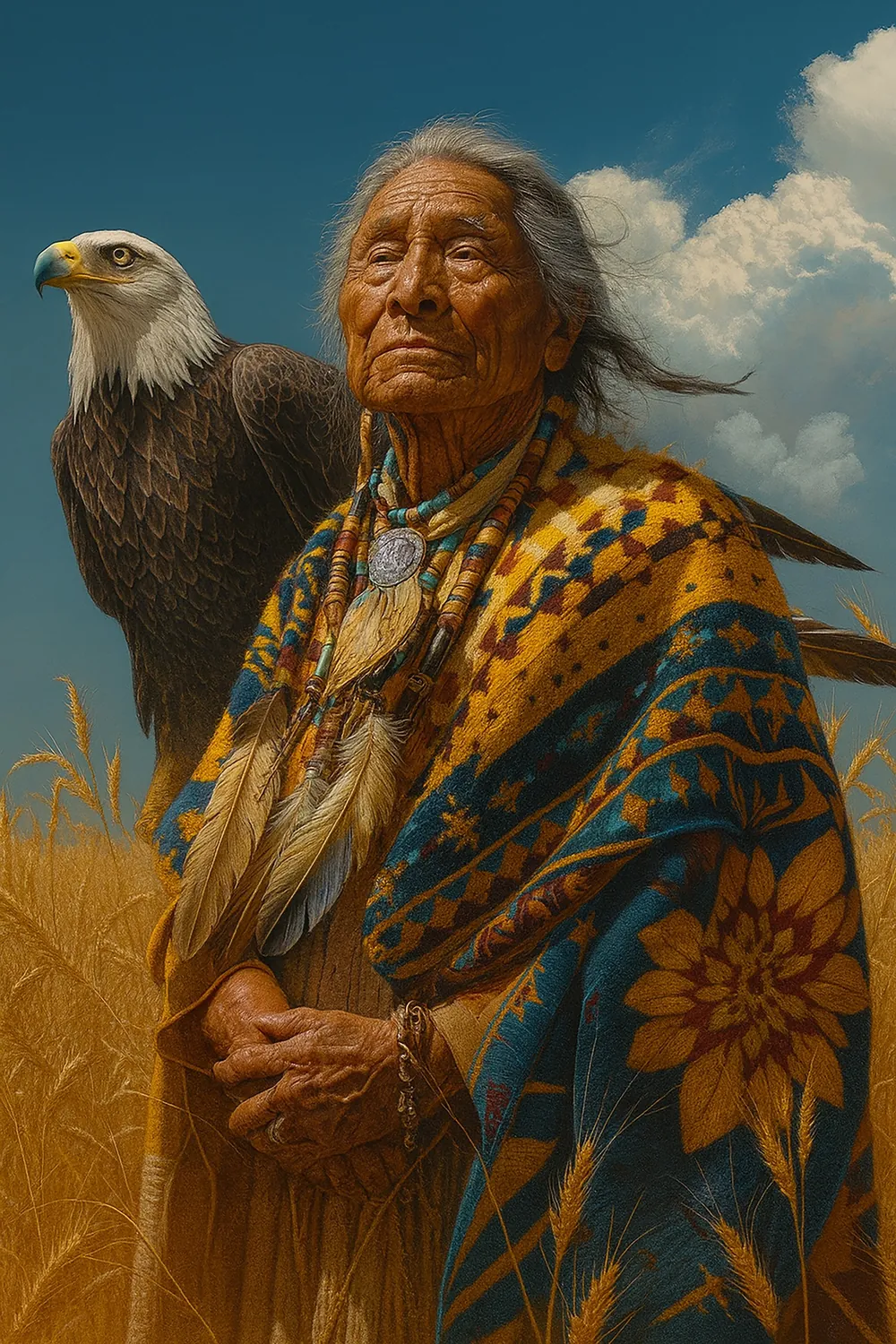
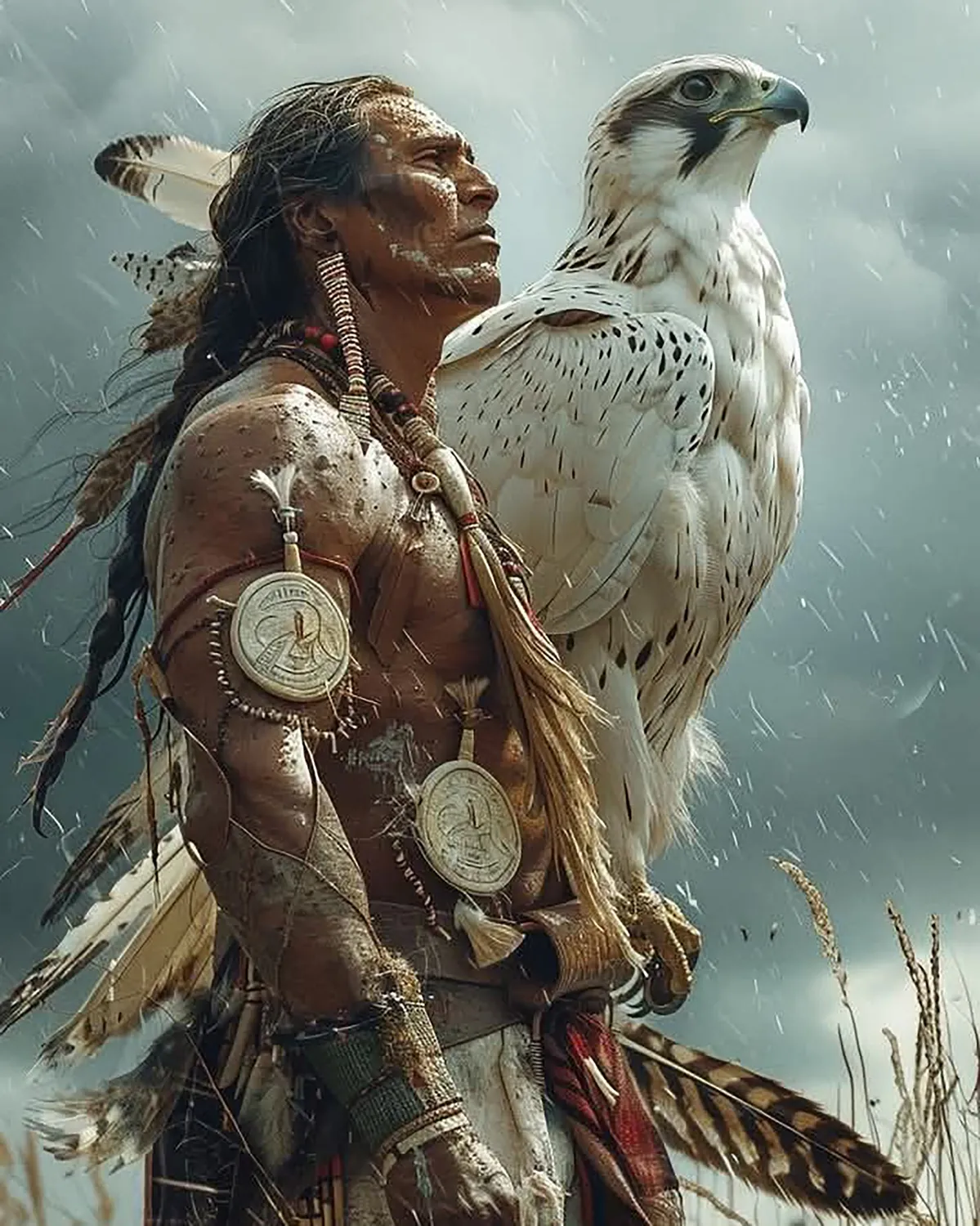
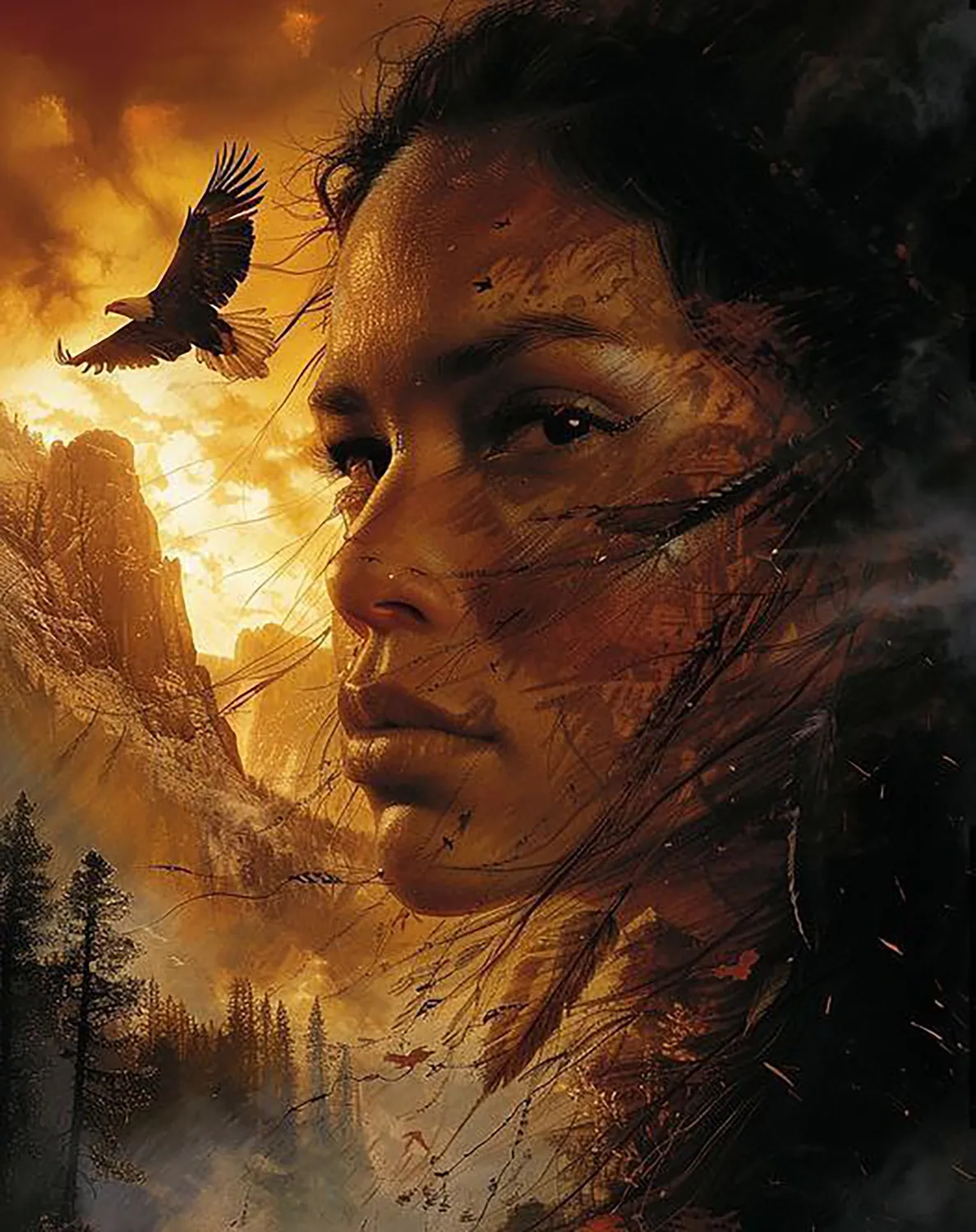
In the Lakota way of seeing the world, family does not stop at people. The Lakota teacher Albert White Hat explained that everything comes from Iŋyaŋ, the Rock — so the stones, the waters, the trees, the winged ones, the four‑legged ones and the two‑legged ones are all related. When you say Mitákuye Oyás'iŋ, you include all of them.
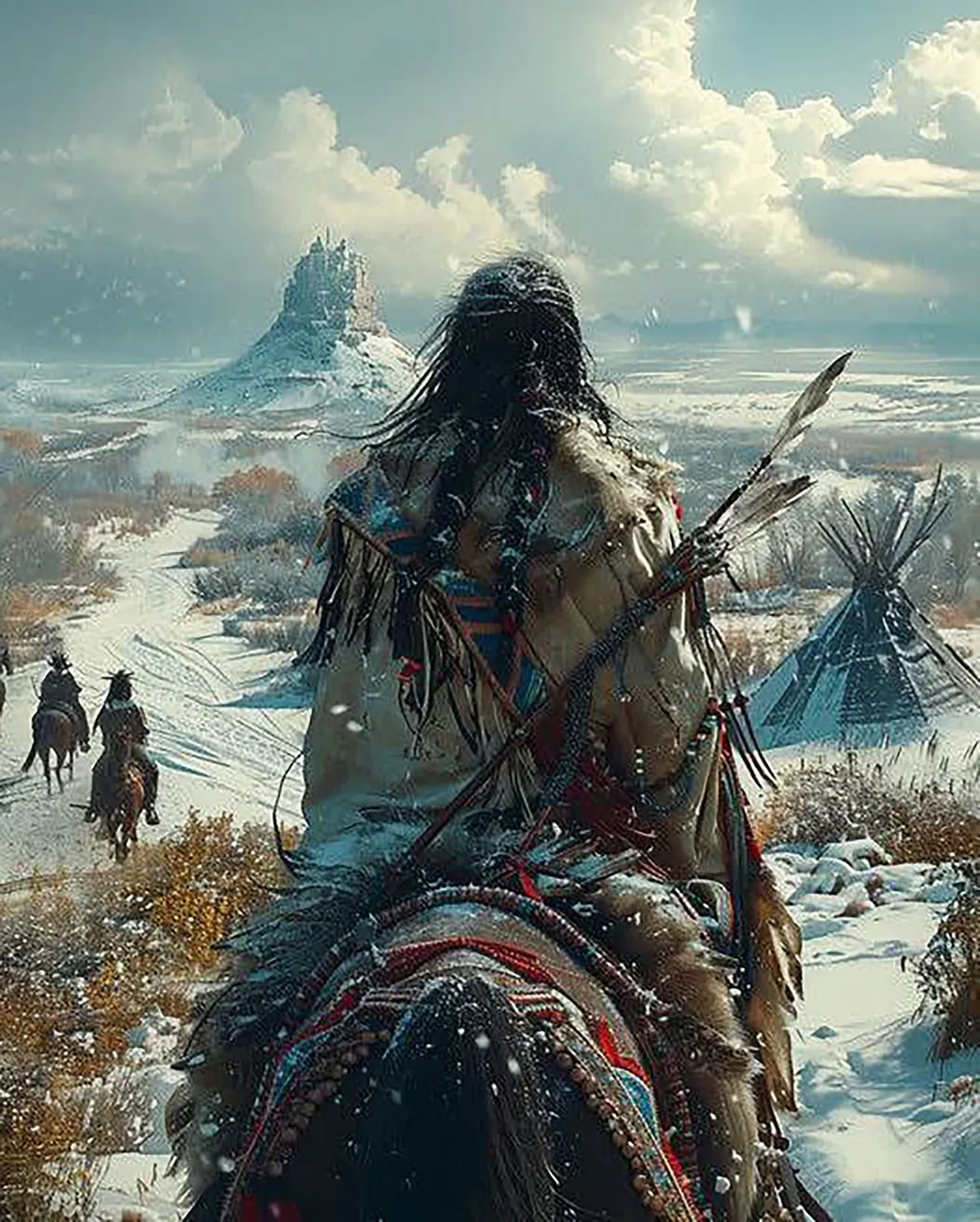
The winged ones
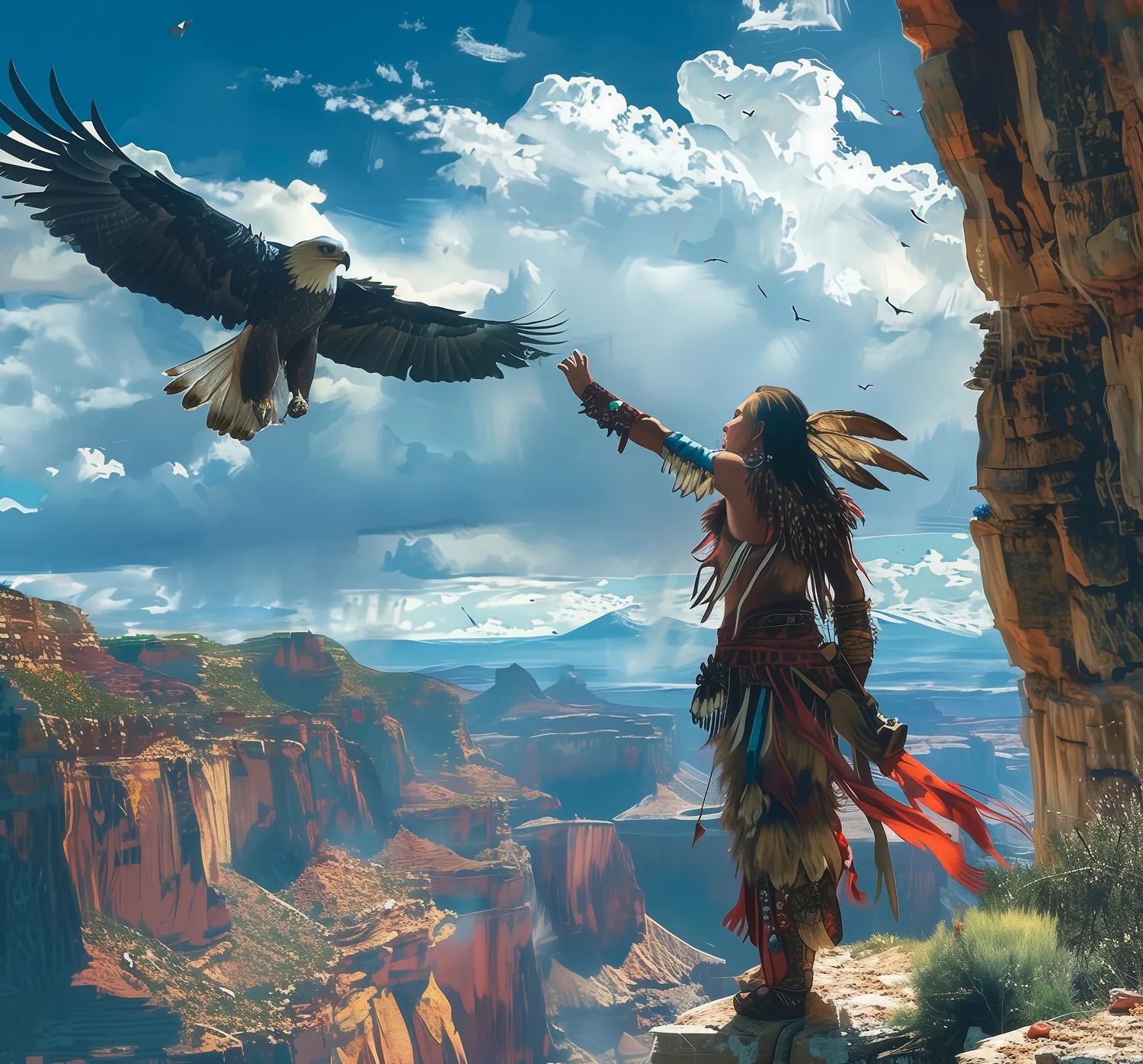
The winged ones
The four‑legged ones
Mountains, waters & earth
The elders & the ancestors

When it is said

Mitákuye Oyás'iŋ belongs to the Lakota, and is also used by Dakota and Nakota relatives. It is spoken at the beginning and at the end of prayers and ceremonies, and as a blessing that closes rituals and feasts. It works a little like “amen” — and it can also stand alone as a complete prayer.

Lakota oral tradition connects the sacred teachings of respect for Mother Earth, Father Sky and the four directions with White Buffalo Calf Woman. Saying “all my relatives” is a way to carry that respect out of the ceremony and into every part of daily life.

Everything is related. Every step we take touches a relative.
And “Aho”?

“Aho” is not a Lakota word. It is heard at many intertribal gatherings and powwows and is usually traced to the Kiowa language. It expresses thanks and agreement — something like “yes, so be it, thank you”. Placed before the Lakota prayer on our shirts, it reads as a simple gesture of gratitude: thank you — to all my relatives.

Why we dance with these words

In a circle dance, no one stands outside the circle. The drum, the dancers, the ground beneath them and the sky above are part of one movement. Mitákuye Oyás'iŋ says the same thing in two words. Try it at the end of your home dance: stand still, feel your heartbeat, and say it softly — thank you, all my relatives.

Saying it with respect

  • It is a prayer, not a slogan. Say it sincerely, never as a joke.
  • Remember that it comes from living Lakota, Dakota and Nakota communities.
  • Learn from Native voices, and support the teaching of the Lakota language.
Una oración lakota · SKIESWARRIOR

Mitákuye Oyás'iŋ

Todos mis parientes. Todos estamos emparentados.

Cómo se dicemi‑TÁ‑ku‑ie o‑IÁ‑s’i(n)

La «ŋ» final no se pronuncia como una n completa: vuelve nasal la vocal anterior.

Palabra por palabra

mi‑mi / mis
tákuyeparientes
oyás'iŋtodos

Juntas: «todos mis parientes». Muchos lo traducen más libremente como «todos estamos emparentados» o «todas mis relaciones». Algunos hablantes lakota dicen que la palabra que más se acerca es: unidad.

¿Quiénes son «mis parientes»?

En la manera lakota de ver el mundo, la familia no termina en las personas. El maestro lakota Albert White Hat explicaba que todo proviene de Iŋyaŋ, la Roca; por eso las piedras, las aguas, los árboles, los alados, los de cuatro patas y los de dos piernas están todos emparentados. Al decir Mitákuye Oyás'iŋ, los incluyes a todos.

Los alados
Los alados
Los de cuatro patas
Los de cuatro patas
Montañas, aguas y tierra
Los mayores y los ancestros

Cuándo se dice

Mitákuye Oyás'iŋ pertenece al pueblo lakota y también la usan sus parientes dakota y nakota. Se pronuncia al principio y al final de las oraciones y ceremonias, y como bendición que cierra rituales y banquetes. Funciona un poco como «amén», y también puede ser por sí sola una oración completa.

La tradición oral lakota relaciona las enseñanzas sagradas de respeto a la Madre Tierra, al Padre Cielo y a las cuatro direcciones con la Mujer Búfalo Blanco. Decir «todos mis parientes» es una forma de llevar ese respeto fuera de la ceremonia, a cada parte de la vida diaria.

Todo está emparentado. Cada paso que damos toca a un pariente.

¿Y «Aho»?

«Aho» no es una palabra lakota. Se escucha en muchos encuentros intertribales y powwows y suele atribuirse a la lengua kiowa. Expresa gratitud y acuerdo, algo como «sí, así sea, gracias». Puesta antes de la oración lakota en nuestras camisetas, se lee como un sencillo gesto de gratitud: gracias, a todos mis parientes.

Por qué danzamos con estas palabras

En una danza en círculo, nadie queda fuera del círculo. El tambor, los danzantes, la tierra bajo sus pies y el cielo sobre ellos forman parte de un mismo movimiento. Mitákuye Oyás'iŋ dice lo mismo en dos palabras. Pruébalo al final de tu danza en casa: quédate quieto, siente tu latido y dilo en voz baja: gracias, todos mis parientes.

Decirla con respeto

  • Es una oración, no un eslogan. Dila con sinceridad, nunca en broma.
  • Recuerda que proviene de comunidades lakota, dakota y nakota que siguen vivas.
  • Aprende de voces nativas y apoya la enseñanza de la lengua lakota.
دعایی از لاکوتا · SKIESWARRIOR

Mitákuye Oyás'iŋ

همهٔ خویشاوندانم. همهٔ ما با هم خویشاوندیم.

تلفظمیتاکویه ـ اویاسین

حرف «ŋ» در پایان، «ن» کامل نیست؛ فقط مصوتِ پیش از خود را خیشومی (تودماغی) می‌کند.

واژه به واژه

mi‑ـَم (مالکیت)
tákuyeخویشاوندان
oyás'iŋهمه

روی هم: «همهٔ خویشاوندانم». بسیاری آزادتر ترجمه‌اش می‌کنند: «همهٔ ما با هم خویشاوندیم» یا «همهٔ پیوندهایم». برخی لاکوتازبان‌ها می‌گویند نزدیک‌ترین واژه به آن «یگانگی» است.

«خویشاوندانم» چه کسانی‌اند؟

در نگاهِ لاکوتا به جهان، خانواده به انسان‌ها ختم نمی‌شود. آلبرت وایت هَت، آموزگار لاکوتا، توضیح می‌داد که همه‌چیز از «اینیان»، یعنی سنگ، پدید آمده است؛ بنابراین سنگ‌ها، آب‌ها، درختان، بالداران، چهارپایان و دوپایان همه خویشاوندند. وقتی می‌گویی Mitákuye Oyás'iŋ، همهٔ آن‌ها را در بر می‌گیری.

بالداران
بالداران
چهارپایان
چهارپایان
کوه‌ها، آب‌ها و زمین
بزرگان و نیاکان
بزرگان و نیاکان

کِی گفته می‌شود

Mitákuye Oyás'iŋ متعلق به مردم لاکوتاست و خویشاوندانشان، داکوتا و ناکوتا، نیز آن را به کار می‌برند. این عبارت در آغاز و پایانِ دعاها و آیین‌ها گفته می‌شود و همچون برکتی است که آیین‌ها و ضیافت‌ها را به پایان می‌رساند. کمی شبیه «آمین» است و می‌تواند به‌تنهایی دعایی کامل باشد.

سنتِ شفاهیِ لاکوتا آموزه‌های مقدسِ احترام به مادرِ زمین، پدرِ آسمان و چهار جهت را به «زنِ گوسالهٔ بوفالوی سفید» نسبت می‌دهد. گفتنِ «همهٔ خویشاوندانم» راهی است برای بردنِ این احترام از آیین به همهٔ لحظه‌های زندگی روزمره.

همه‌چیز با هم خویشاوند است. هر گامی که برمی‌داریم، خویشاوندی را لمس می‌کند.

و «Aho» (آهو)؟

«Aho» (آهو) واژه‌ای لاکوتایی نیست. این واژه در بسیاری از گردهمایی‌های میان‌قبیله‌ای و پاوواوها شنیده می‌شود و معمولاً ریشه‌اش را زبانِ کایووا می‌دانند. بیانگر سپاس و موافقت است، چیزی مانند «آری، چنین باد، سپاس». پیش از دعای لاکوتا روی تی‌شرت‌های ما، به معنای حرکتی ساده از سپاس خوانده می‌شود: سپاس ــ از همهٔ خویشاوندانم.

چرا با این واژه‌ها می‌رقصیم

در رقصِ دایره‌ای، هیچ‌کس بیرون از حلقه نمی‌ماند. طبل، رقصندگان، زمینِ زیر پایشان و آسمانِ بالای سرشان، همه بخشی از یک حرکت‌اند. Mitákuye Oyás'iŋ همین را در دو واژه می‌گوید. در پایانِ رقصِ خانگی‌ات امتحانش کن: بی‌حرکت بایست، ضربان قلبت را حس کن و آرام بگو ــ سپاس، همهٔ خویشاوندانم.

گفتنش با احترام

  • این دعاست، نه شعار. صادقانه بگو، هرگز به شوخی.
  • به یاد داشته باش که از جوامعِ زندهٔ لاکوتا، داکوتا و ناکوتا می‌آید.
  • از صداهای بومی بیاموز و از آموزشِ زبانِ لاکوتا حمایت کن.