
Eight cultural landscapes spanning the country. Each is diverse within itself; regional borders do not precisely contain cultural peoples.
Western Kenya: Kakamega, Vihiga, Bungoma & Busia
The mosaic of Luhya-speaking communities includes Isukha and Idakho bearers of Isukuti. Drums, song, collective participation and local ceremonies make the region a living school of rhythmic knowledge. The term “Luhya” must not erase the distinctions among constituent communities.
Related dances
Isukuti · Luhya community dance repertoires
Lake Victoria: Kisumu, Siaya, Homa Bay & Migori
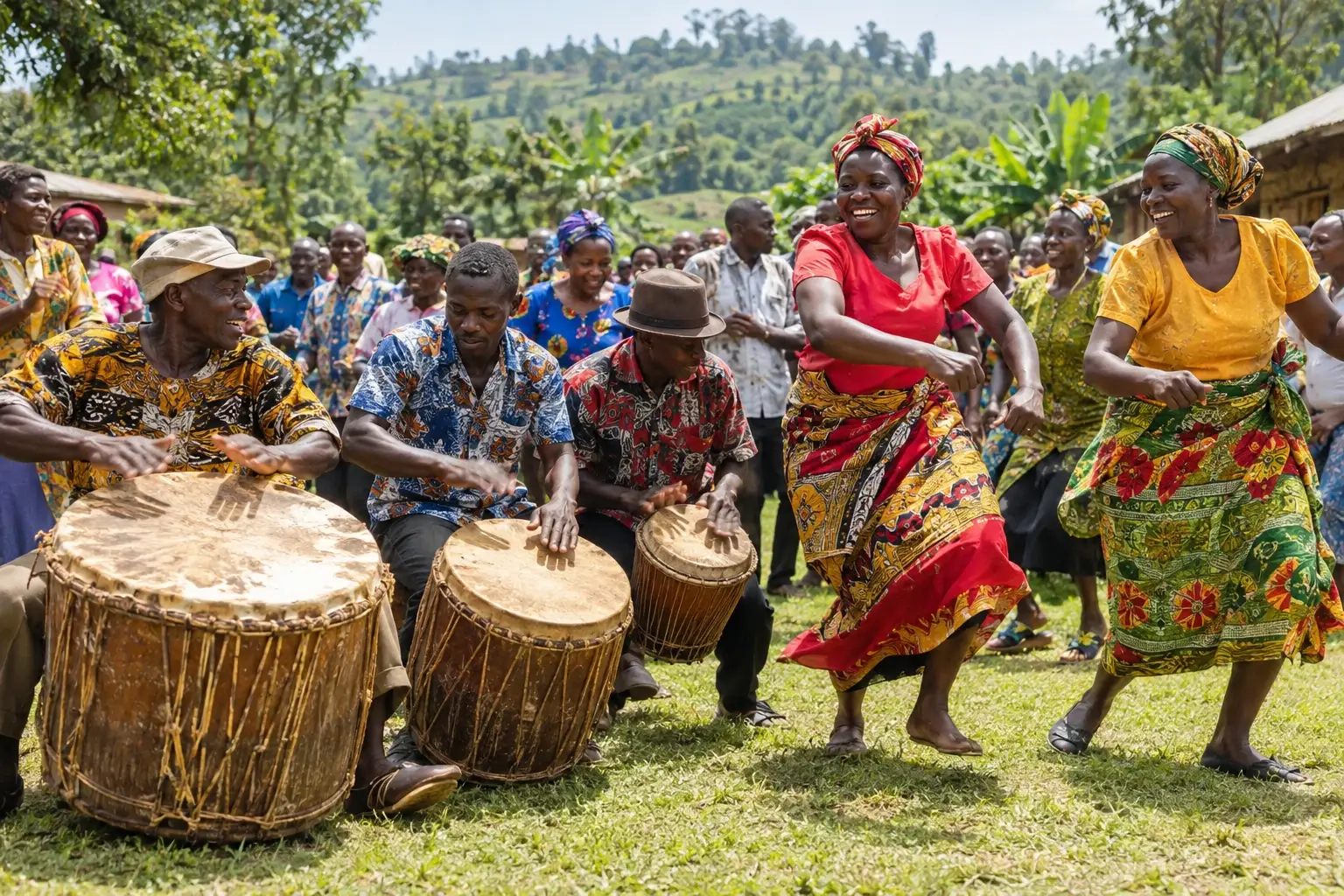
Luo cultural histories are woven through fishing settlements, town stages, ceremonies and contemporary social gatherings. Ohangla, Dodo and Ramogi are not identical: listen for differing percussion, singing, presentation and participation.
Related dances
Ohangla · Dodo · Ramogi
Central highlands: Kiambu, Murang’a, Nyeri & Kirinyaga
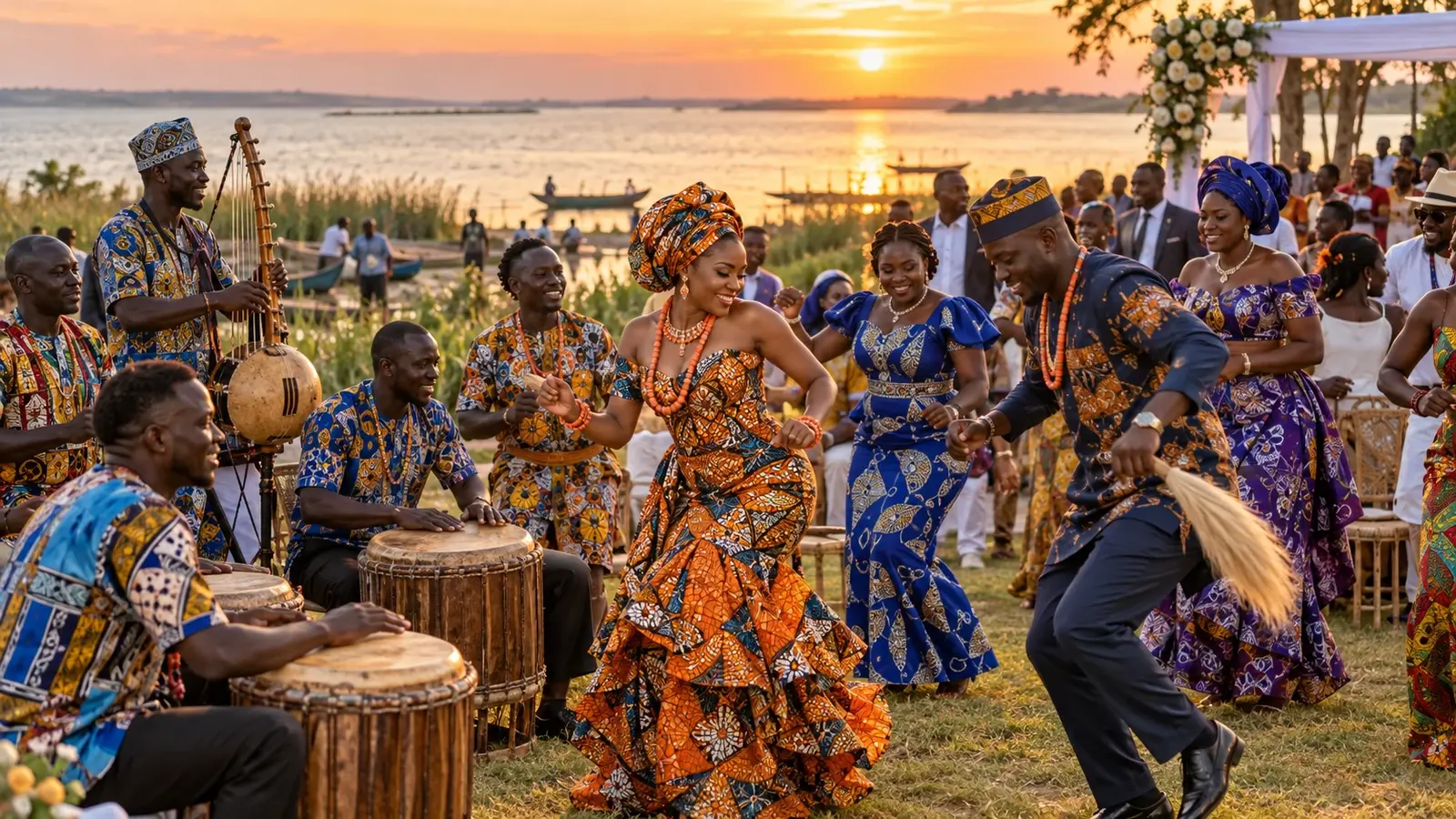
In the central highlands, Agikuyu music and social dance evolved through intercommunity exchange, historical transitions and urban performance. Mwomboko partner figures and Mugithi participation offer two very different windows into that history.
Related dances
Mwomboko · Mugithi · Agikuyu public dance
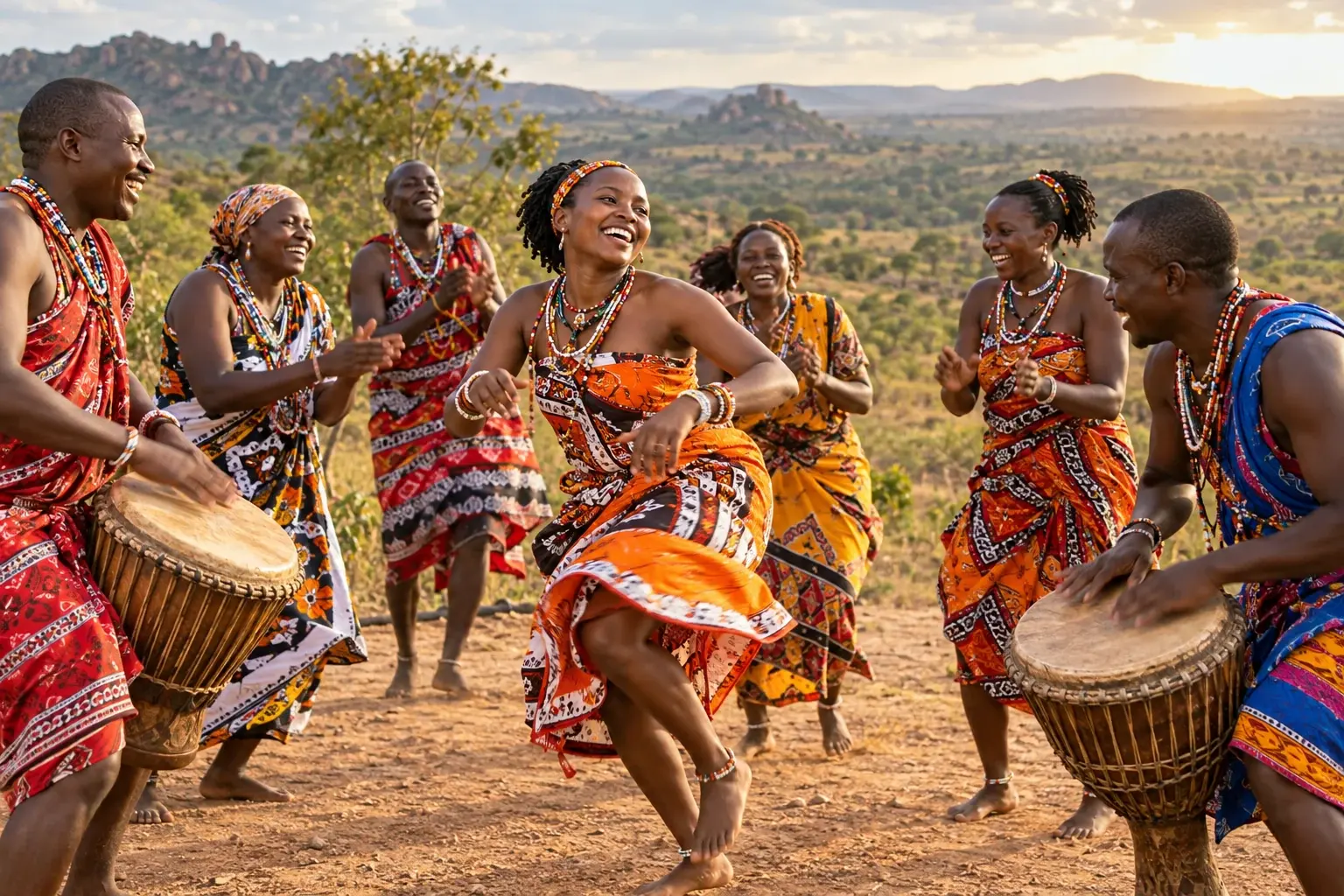
Rift Valley: Narok, Kajiado, Nakuru & Baringo
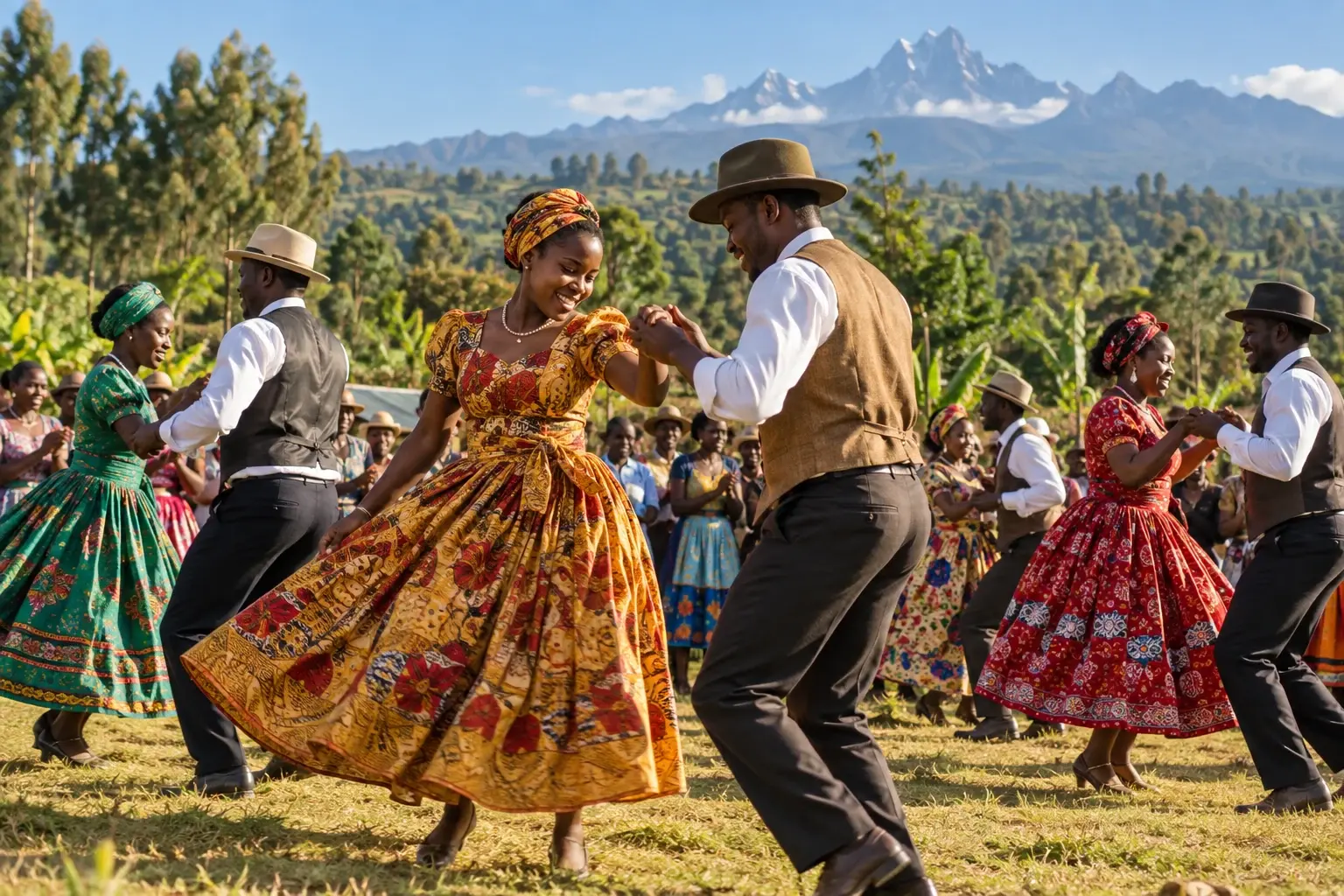
Rift Valley landscapes are associated with several distinct communities. Maasai Adumu is frequently pictured, but neither one jumping sequence nor one outfit represents the whole valley. The meaning of an age-set performance depends on the people and occasion.
Related dances
Maasai Adumu · other Maa and Rift Valley community repertoires
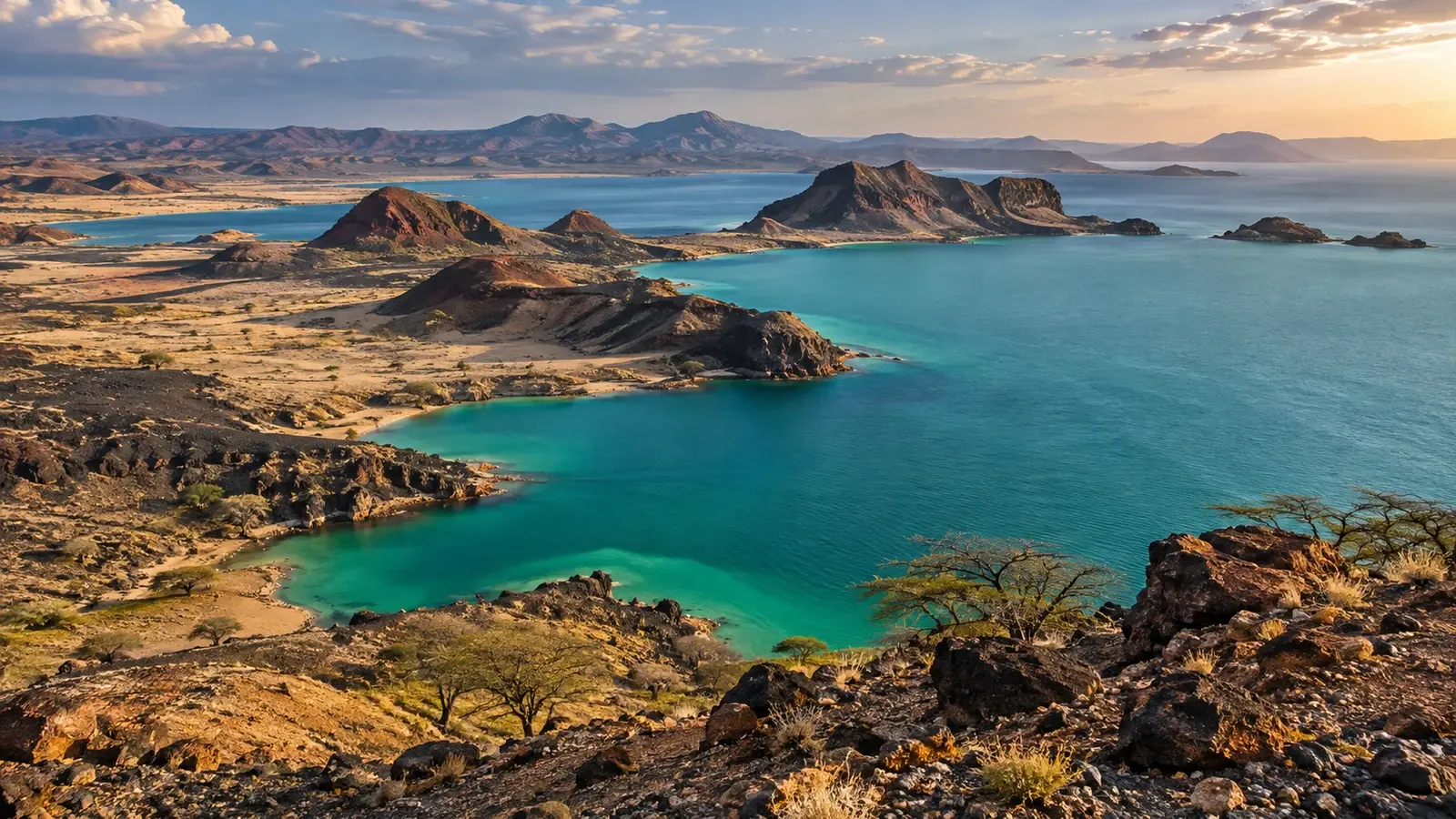
North and northwest: Samburu, Turkana, Marsabit & Isiolo
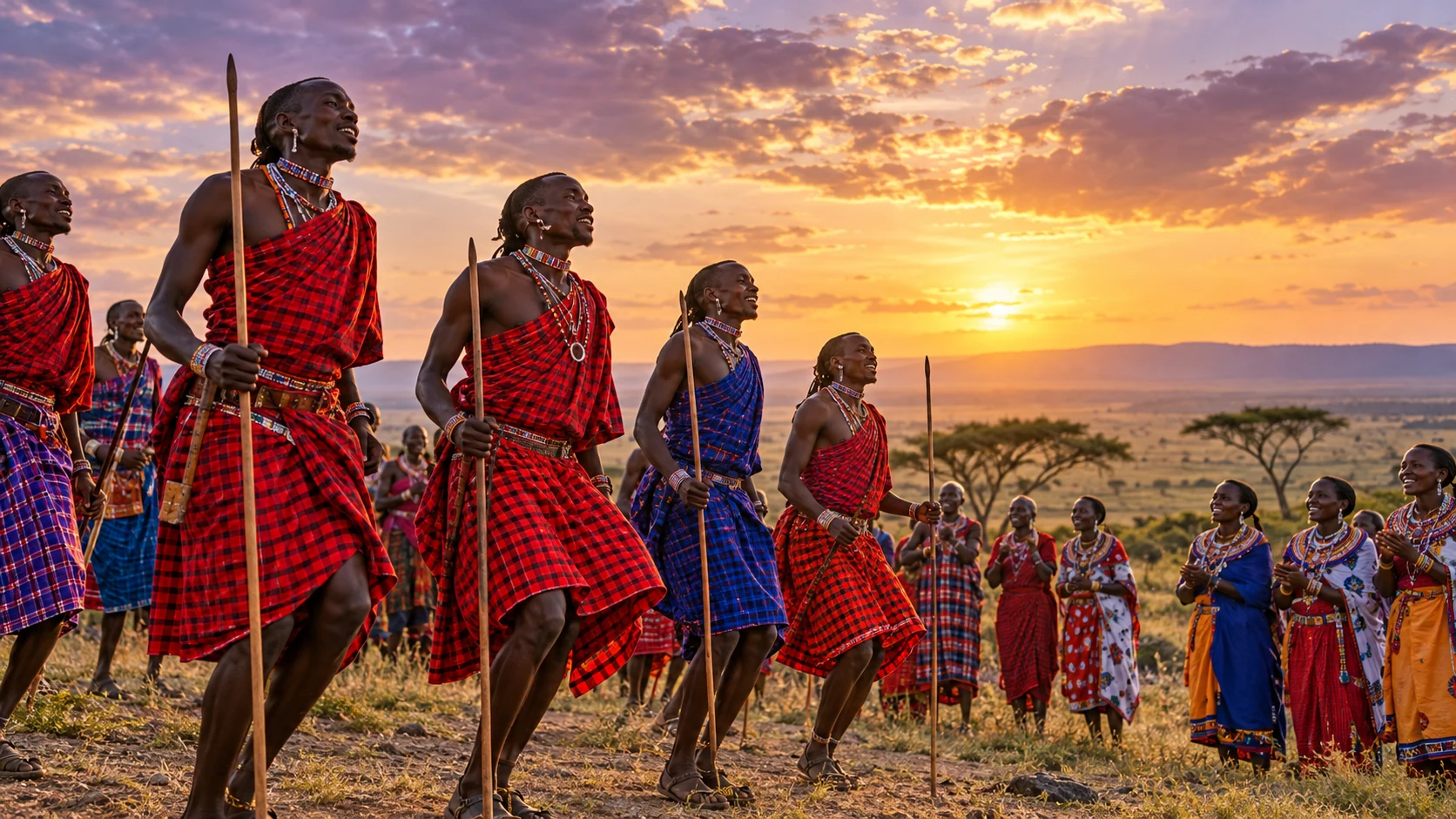
Pastoral and urban lives coexist across this expansive northern territory. Samburu social dances and Turkana Edong’a or Ng’ital have specific local contexts. Festivals can offer public windows into northern heritage, but they do not authorize copying private ritual practices.
Related dances
Samburu public songs · Edong’a · Ng’ital · Borana and Rendille local traditions
Eastern Kenya: Kitui, Machakos, Makueni & Embu
In Ukambani, public dances and spiritual traditions such as Kilumi answer different needs. Rhythmic practice can belong to communal healing and remembered relationships; outsiders should not recast all rituals as stage-ready steps.
Related dances
Akamba Kilumi · Akamba public group dances
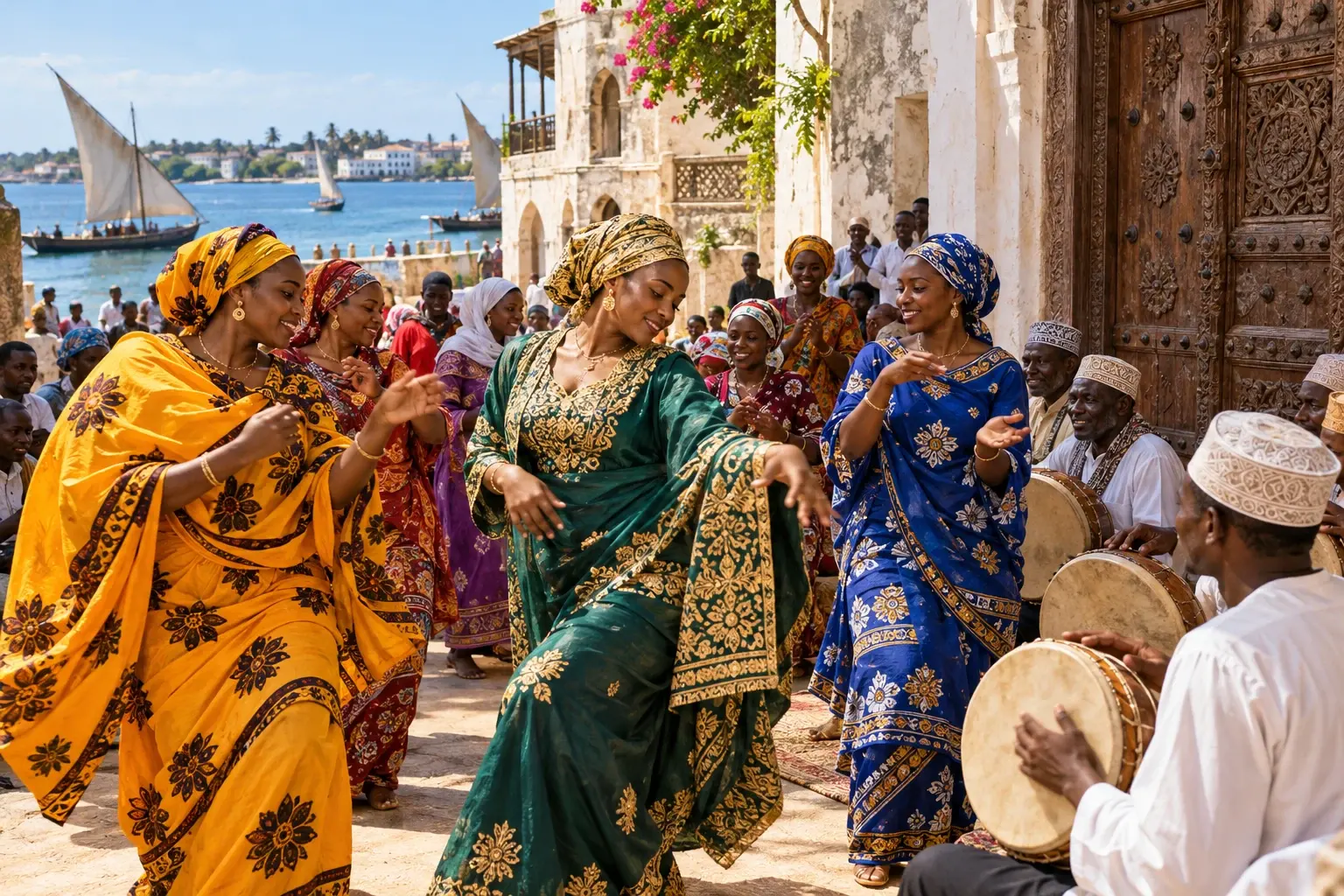
Coast: Lamu, Mombasa, Kilifi & Kwale
Swahili island towns and Mijikenda communities sustain a particularly varied world of public and ceremonial music. The Digo Sengenya, women’s Lelemama, public coastal Chakacha and Kirumbizi swordplay are different traditions with their own performers and occasions.
Related dances
Chakacha · Lelemama · Sengenya · Kirumbizi · Goma la Siyu
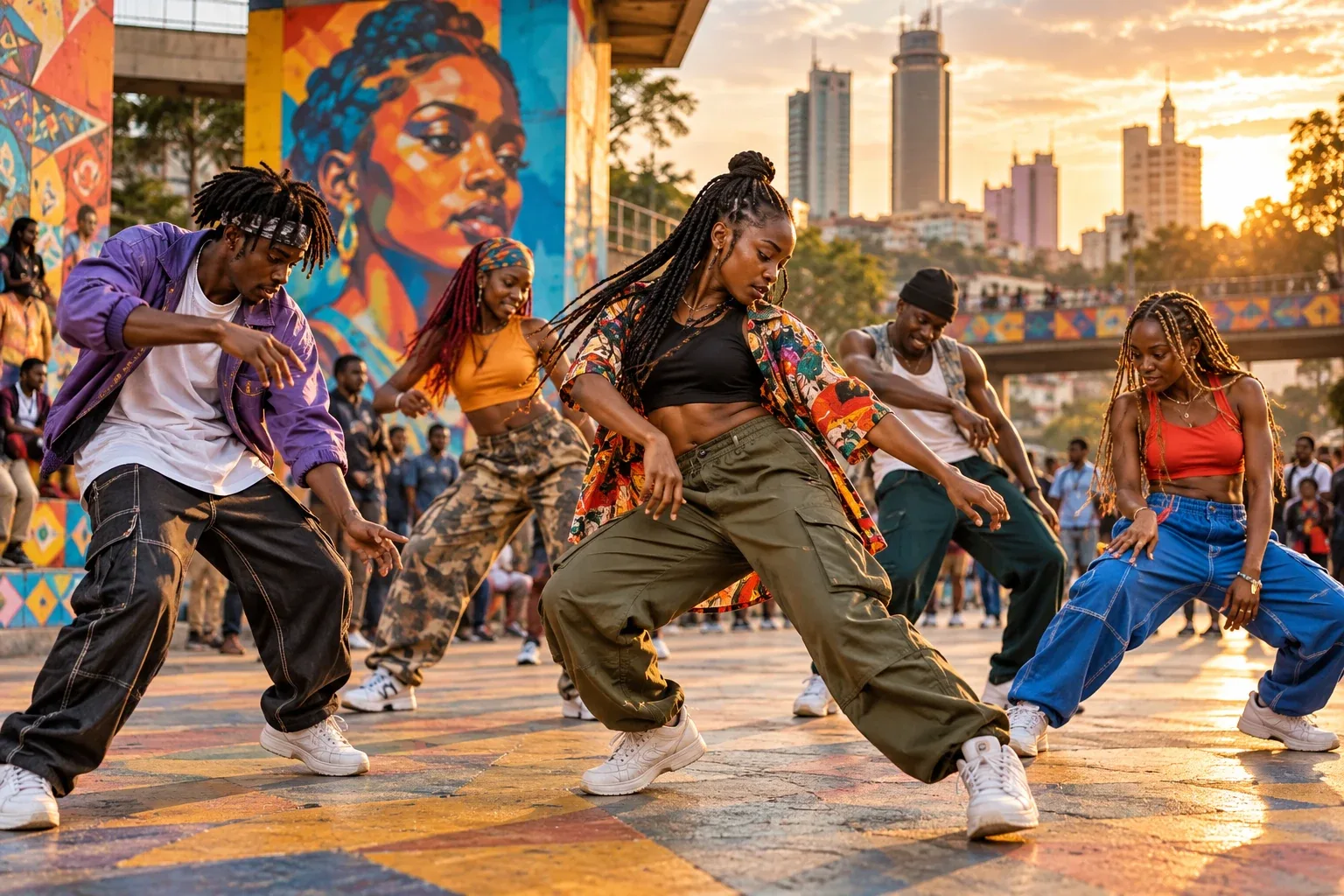
Taita-Taveta and the creative capital Nairobi
The Dawida community’s Mwazindika is a sacred heritage with custodians and restrictions, while metropolitan Nairobi provides stages for experimental contemporary work and youth choreography. They belong to Kenya’s shared national picture without being interchangeable.
Related dances
Dawida Mwazindika (restricted heritage) · Nairobi hip-hop · Gengetone choreography · Contemporary fusion
Ocho paisajes culturales de todo el país. Cada región es diversa y sus fronteras no limitan las culturas.
Oeste: Kakamega, Vihiga, Bungoma y Busia
Entre las diversas comunidades de lengua luhya, isukha e idakho preservan el isukuti. Tambores, canto, participación y ceremonias locales hacen de la región una escuela viva de ritmo. El término «luhya» no debe ocultar las diferencias entre sus comunidades.
Danzas relacionadas
Isukuti · Luhya community dance repertoires
Lago Victoria: Kisumu, Siaya, Homa Bay y Migori
Las historias culturales luo se entrelazan con poblados pesqueros, escenarios urbanos, ceremonias y encuentros actuales. Ohangla, Dodo y Ramogi no son equivalentes: sus percusiones, voces y modos de participación varían.
Danzas relacionadas
Ohangla · Dodo · Ramogi
Tierras altas centrales: Kiambu, Murang’a, Nyeri y Kirinyaga
En las tierras altas, la música y el baile social agikuyu evolucionaron mediante intercambios y cambios históricos. El baile de pareja mwomboko y la participación colectiva del mugithi ofrecen dos perspectivas distintas.
Danzas relacionadas
Mwomboko · Mugithi · Agikuyu public dance
Valle del Rift: Narok, Kajiado, Nakuru y Baringo
Diversos pueblos habitan el valle del Rift. El adumu masái suele aparecer en fotografías, pero ni un salto ni un atuendo representan toda la región. El sentido de una actuación de grupo de edad depende de sus participantes.
Danzas relacionadas
Maasai Adumu · other Maa and Rift Valley community repertoires
Norte y noroeste: Samburu, Turkana, Marsabit e Isiolo
La vida pastoral y urbana convive en el amplio norte. Los bailes sociales samburúes y el edong’a o ng’ital turkana tienen contextos propios. Los festivales muestran parte del patrimonio público, no autorizan a imitar rituales privados.
Danzas relacionadas
Samburu public songs · Edong’a · Ng’ital · Borana and Rendille local traditions
Este: Kitui, Machakos, Makueni y Embu
En Ukambani, las danzas públicas y tradiciones espirituales como el kilumi responden a necesidades distintas. Algunas expresiones participan de la sanación colectiva y la memoria, y no deben convertirse indiscriminadamente en pasos de escenario.
Danzas relacionadas
Akamba Kilumi · Akamba public group dances
Costa: Lamu, Mombasa, Kilifi y Kwale
Los poblados suajilis y las comunidades mijikenda preservan músicas diversas. El sengenya digo, el lelemama femenino, el chakacha costero y el kirumbizi de simulación marcial tienen intérpretes y ocasiones diferentes.
Danzas relacionadas
Chakacha · Lelemama · Sengenya · Kirumbizi · Goma la Siyu
Taita-Taveta y la capital creativa Nairobi
El mwazindika de la comunidad dawida es un patrimonio sagrado con custodios y límites, mientras Nairobi acoge creaciones contemporáneas y danzas juveniles. Ambos forman parte de Kenia sin ser intercambiables.
Danzas relacionadas
Dawida Mwazindika (restricted heritage) · Nairobi hip-hop · Gengetone choreography · Contemporary fusion
هشت چشمانداز فرهنگی سراسر کشور؛ هر منطقه در درون خود متنوع است و مرزهای اداری فرهنگها را محدود نمیکنند.
غرب: کاکامهگا، ویهیگا، بونگوما و بوسیا
در میان جوامع متنوع لوهیازبان، ایسوخا و ایداخو پاسداران ایسوکوتیاند. طبل، آواز، مشارکت و مراسم محلی این منطقه را مدرسهای زنده از دانش ریتم ساخته است. نام «لوهیا» نباید تفاوت میان جوامع را پنهان کند.
رقصهای مرتبط
Isukuti · Luhya community dance repertoires
دریاچهٔ ویکتوریا: کیسومو، سیایا، هوما بی و میگوری
تاریخ لئو با روستاهای ماهیگیری، صحنههای شهری، آیین و محفلهای امروز درآمیخته است. اوهانگلا، دودو و راموگی یکسان نیستند؛ به تفاوت طبل، آواز و شیوهٔ مشارکت توجه کنید.
رقصهای مرتبط
Ohangla · Dodo · Ramogi
ارتفاعات مرکزی: کیامبو، مورانگا، نیری و کیرینیاگا
در ارتفاعات مرکزی، موسیقی و رقص اجتماعی آگیکویو از راه تعامل و دگرگونی تاریخی رشد کرده است. رقص زوجی مومبوکو و همراهی گروهی در موگیتی دو چشمانداز متفاوتاند.
رقصهای مرتبط
Mwomboko · Mugithi · Agikuyu public dance
درهٔ ریفت: ناروک، کاجیادو، ناکورو و بارینگو
جوامع متعددی در درهٔ ریفت زندگی میکنند. آدوموی ماسایی بسیار عکاسی شده، اما یک جهش یا پوشش نمایندهٔ تمام دره نیست. معنای اجرای گروههای سنی به مردم و مناسبت بستگی دارد.
رقصهای مرتبط
Maasai Adumu · other Maa and Rift Valley community repertoires
شمال و شمالغرب: سامبورو، تورکانا، مارسابت و ایسیولو
زندگی دامداری و شهری در شمال پهناور در کنار هماند. رقص اجتماعی سامبورو و ادونگا یا انگیتال تورکانا هر یک زمینهٔ ویژه دارند. جشنوارهها دریچهای عمومیاند، نه مجوز تقلید آیین خصوصی.
رقصهای مرتبط
Samburu public songs · Edong’a · Ng’ital · Borana and Rendille local traditions
شرق: کیتویی، ماچاکوس، ماکوئنی و امبو
در اوکامبانی، رقص عمومی و سنت معنوی کیولومی هدفهای متفاوت دارند. برخی حرکتها بخشی از درمان جمعی و حافظهاند؛ نباید همهٔ آیینها را به گامهای نمایشی فروکاست.
رقصهای مرتبط
Akamba Kilumi · Akamba public group dances
ساحل: لامو، مومباسا، کیلیفی و کواله
شهرهای سواحیلی و جوامع میجیکندا جهان متنوعی از موسیقی دارند. سِنگِنیا در میان دیگو، لِلِمامای زنان، چاکاچا و کیرومبیزیِ نمایشی هرکدام اجراکنندگان و مناسبتهای ویژه دارند.
رقصهای مرتبط
Chakacha · Lelemama · Sengenya · Kirumbizi · Goma la Siyu
تایتا-تاوتا و پایتخت خلاق نایروبی
موازیندیکای جامعهٔ داویدا میراثی مقدس با نگهبانان و محدودیتهاست؛ نایروبی نیز صحنهٔ نوآوری معاصر و رقص جوانان است. هر دو بخشی از کنیا هستند، ولی یکسان نیستند.
رقصهای مرتبط
Dawida Mwazindika (restricted heritage) · Nairobi hip-hop · Gengetone choreography · Contemporary fusion