
Eight substantial chapters connecting movement with Kenyan society across time, with attention to distinct peoples and sacred traditions.
Before borders: many societies, many movement languages
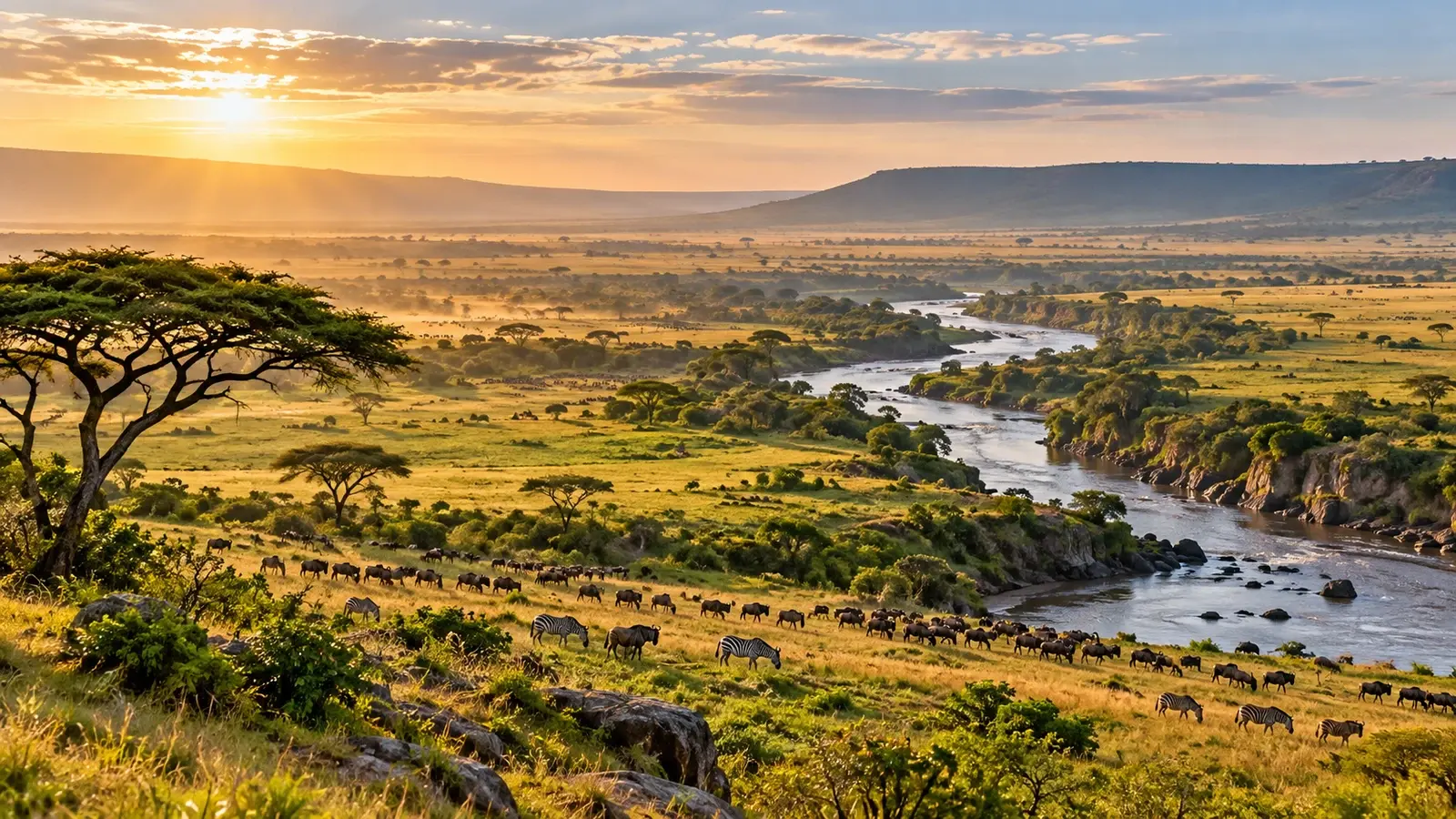
The modern Republic of Kenya is young compared with the histories of the peoples who inhabit its land. Communities speaking Bantu, Nilotic and Cushitic languages formed networks of farming, fishing, herding, trade and exchange. The relationship between music and movement changed across generations and landscapes. In some communities dance accompanied family milestones; in others it articulated social roles, seasonal gatherings or sacred obligations. One national origin story cannot explain these distinct repertoires. Oral history and community knowledge remain essential alongside written archives.
The coast and the Indian Ocean world
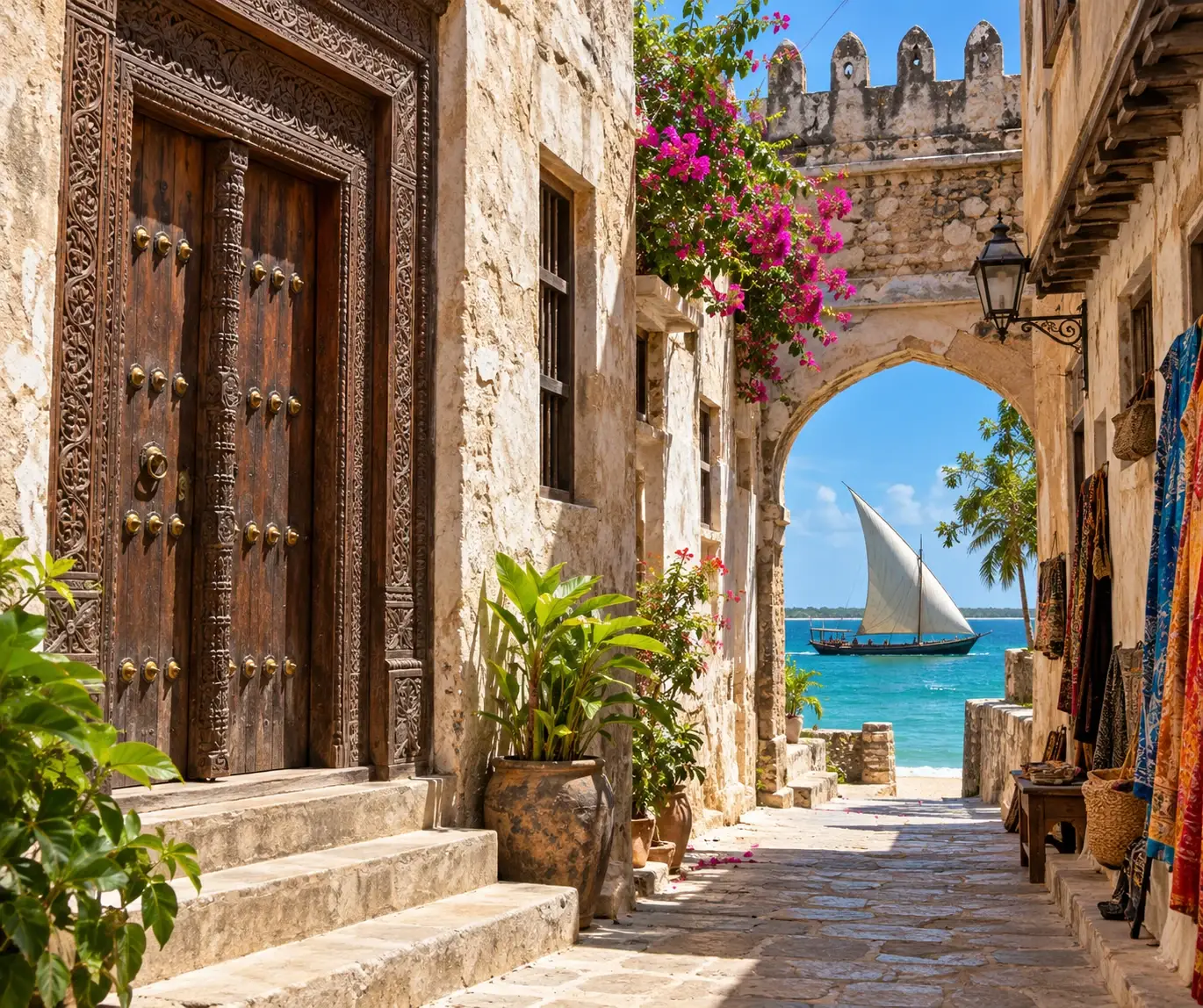
For centuries the Kenyan coast connected East African towns with ports around the Indian Ocean. Swahili urban culture developed through local African foundations and far-reaching commercial and religious encounters. Wedding songs, ngoma performances, Lelemama, Chakacha and martial-styled Kirumbizi reflect social relationships and local histories rather than a single interchangeable “coastal dance.” In Lamu and Mombasa, particular groups, genders and occasions may shape who performs and how. The ocean was a route of cultural invention, not merely an exotic backdrop.
Cattle, age-sets and moving communities
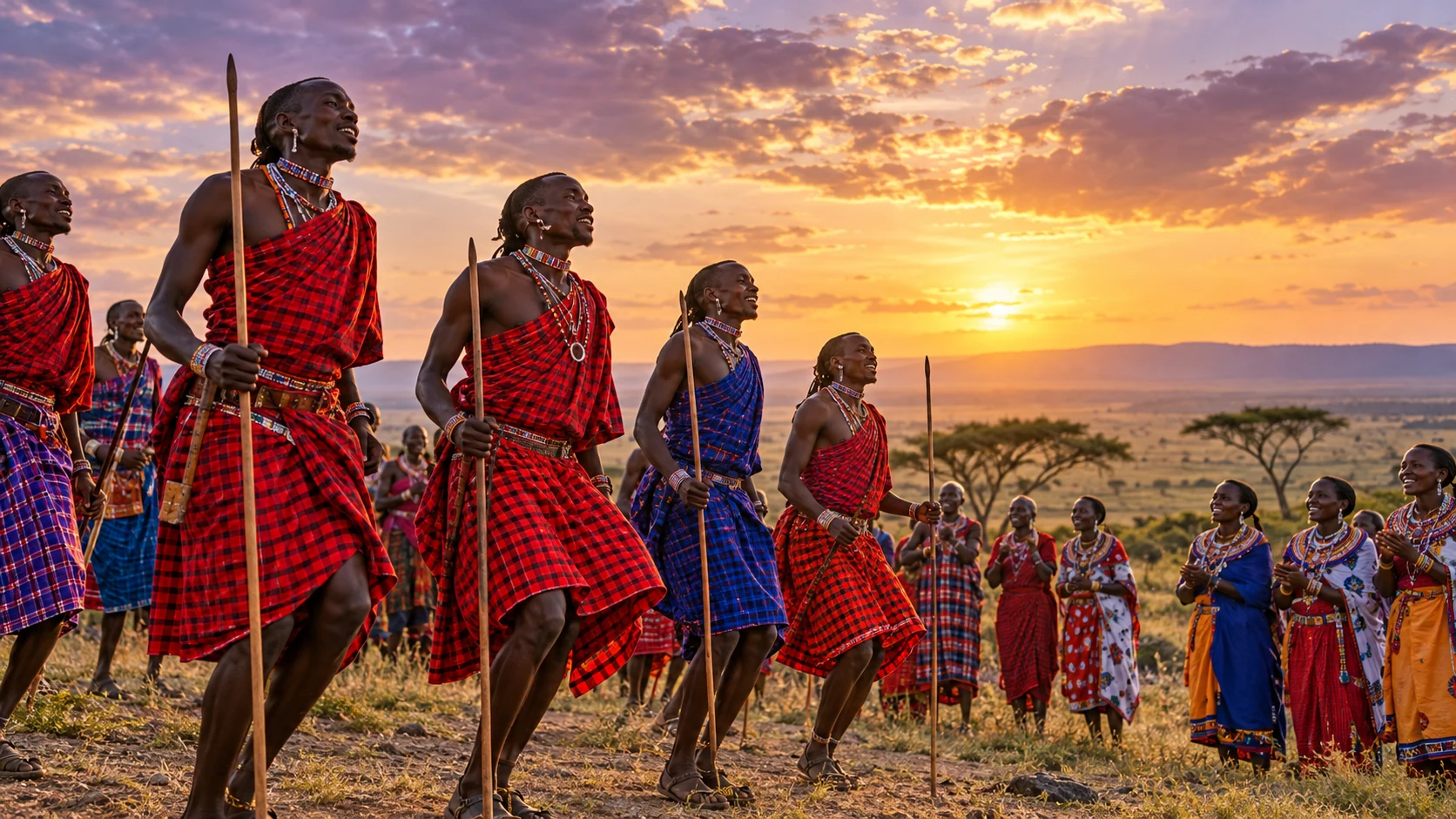
The lands of the Rift Valley and northern Kenya include Maa-speaking Maasai and Samburu communities as well as Turkana, Borana, Rendille and many others. Public displays of singing, stepping and jumping can communicate collective strength, aesthetics and relationships within particular age-set traditions. The widely photographed Maasai adumu is not a generic performance belonging to all Kenyans or to all pastoral peoples. Northern Turkana Edong’a is another named repertoire with its own setting. Responsible description begins with the precise community and occasion.
Western drums: the Isukuti inheritance
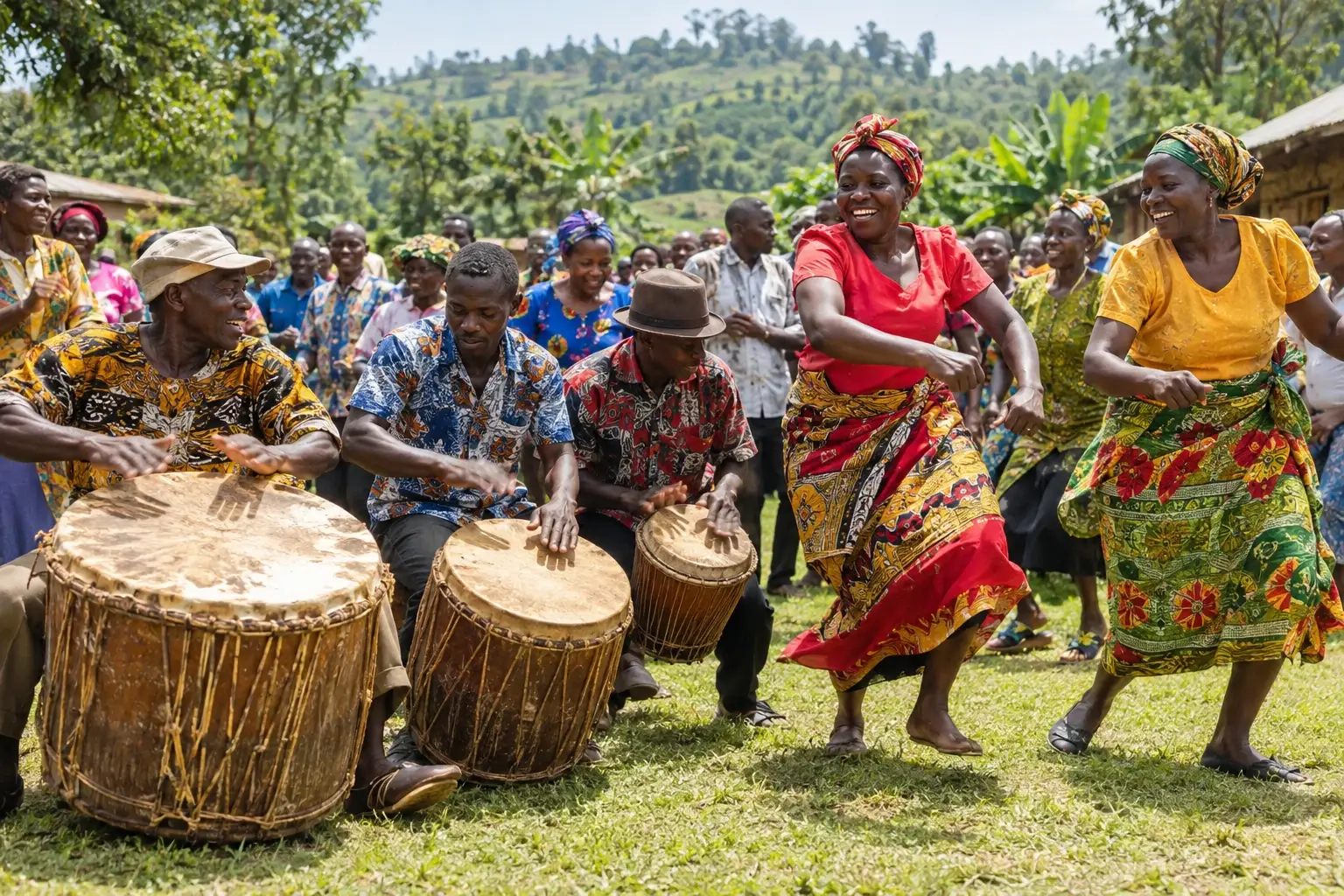
Among the Isukha and Idakho communities of western Kenya, Isukuti is a fast, energetic social dance involving interlocking drum rhythms, song and communal participation. Its repertoire accompanies events ranging from weddings and memorials to public gatherings. In 2014 UNESCO placed the tradition on its list of intangible heritage requiring urgent safeguarding, acknowledging challenges in intergenerational transmission. This is not an extinct museum relic: the central question is how living knowledge-bearers can teach new generations on their own terms.
The lake and central highlands: songs become social history
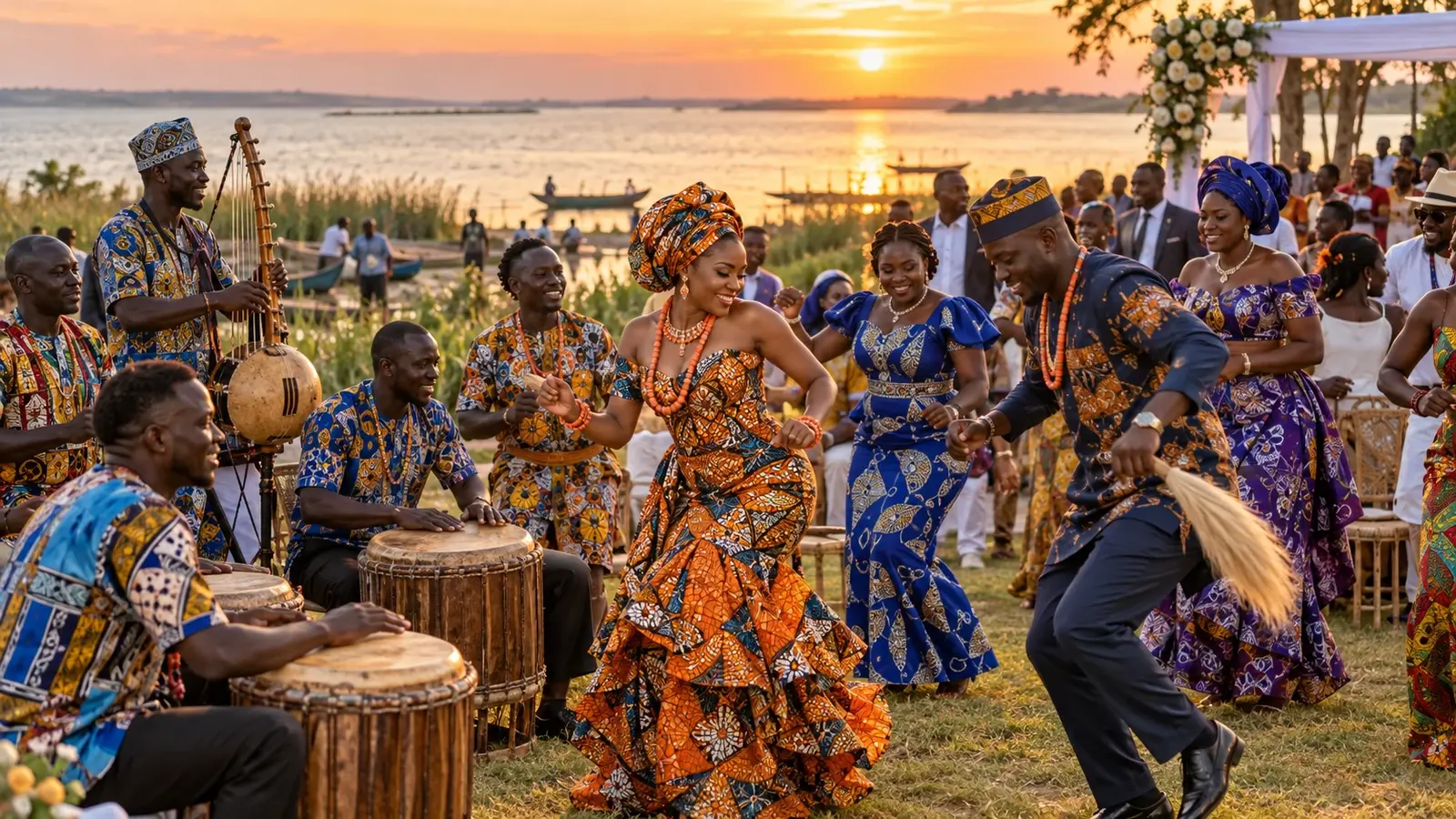
Around Lake Victoria, Luo dances and music associated with Ohangla, Dodo and Ramogi occupy different places in public and community life. The changing soundscape includes percussion-driven events and contemporary social stages. In the central highlands, Agikuyu Mwomboko developed as a partner dance with a history of exchange, adaptation and social commentary; Mugithi subsequently became a recognisable live music and participatory social-dance culture. These forms should not be mistaken for an untouched, uniform ancient repertoire.
Ceremony, healing and responsibilities
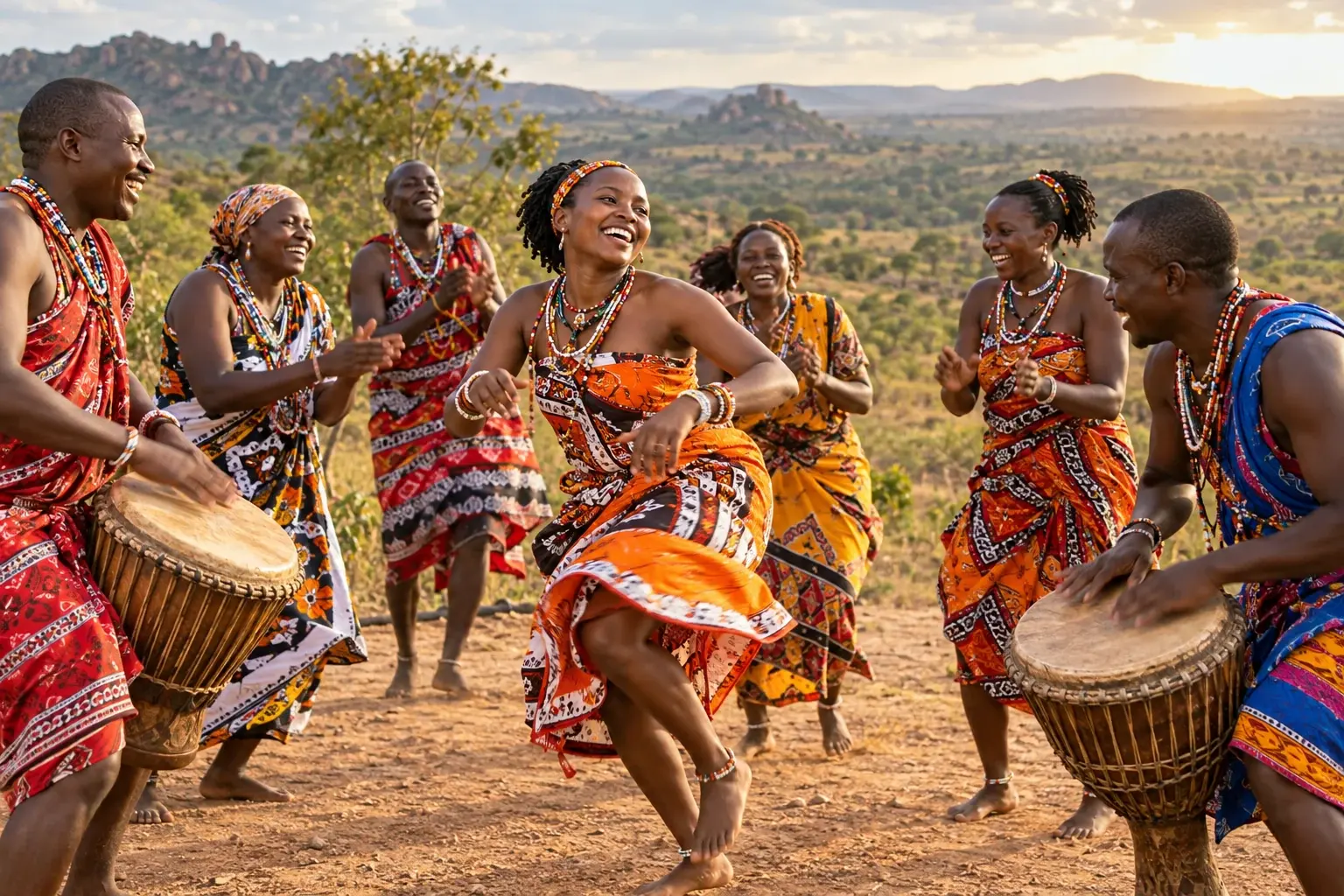
Not everything that moves to drums is public entertainment. The Akamba Kilumi tradition has spiritual and social meanings studied by Kenyan researchers. The Dawida community’s Mwazindika spiritual dance was inscribed by UNESCO for urgent safeguarding in 2025 and is associated with healing, memory and cultural balance. Describing its historical importance does not grant permission to reproduce sacred sequences or instruments. DANZO invites visitors to listen to community custodians and distinguish public documentation from restricted ceremonial knowledge.
Colonial disruption and independence-era reinvention
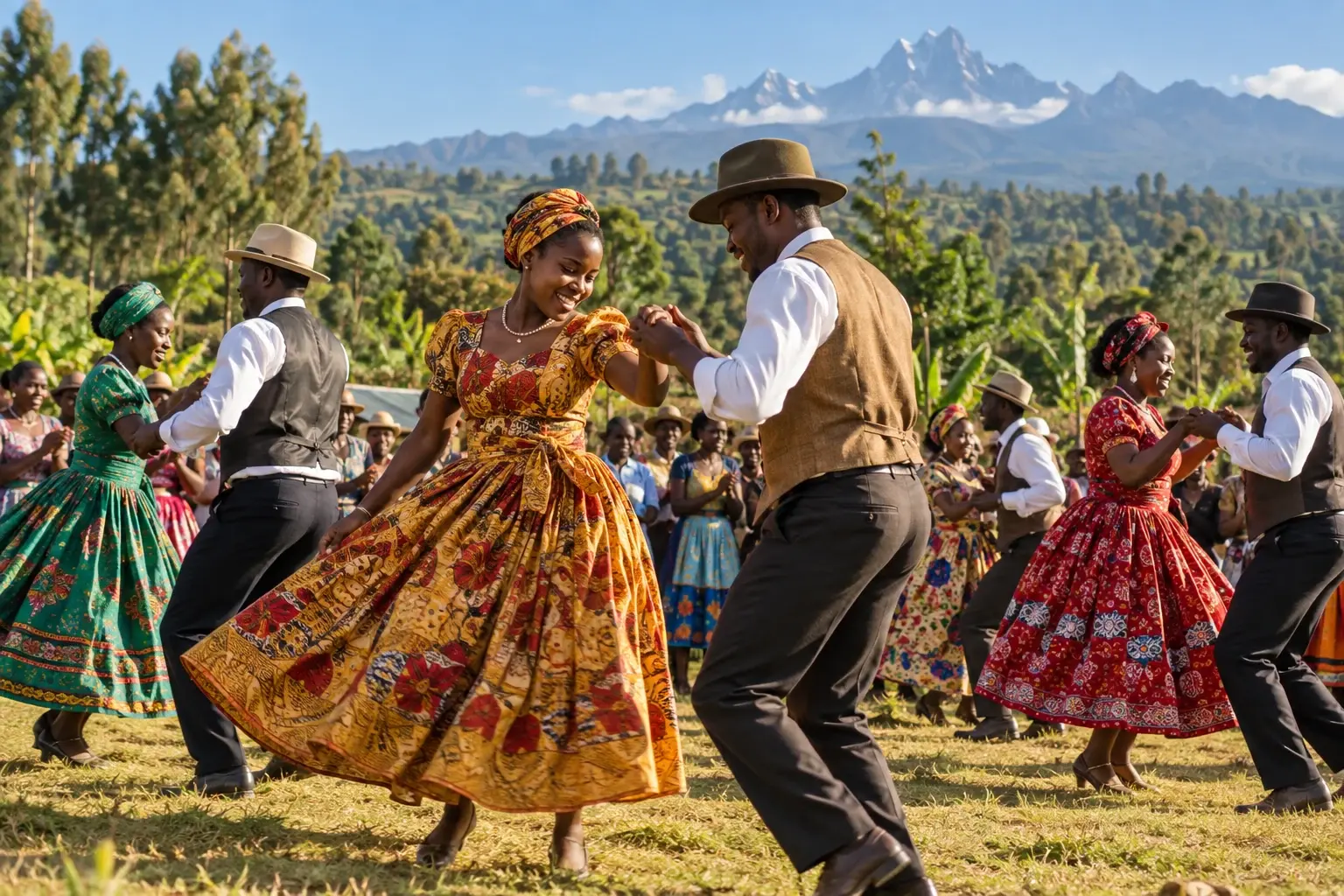
Colonial administration, religious missions, economic transformations, labor mobility and urbanization altered performance spaces and social hierarchies. Some dances were discouraged or reorganized for schools and official competitions, while others persisted through families and community networks. After independence in 1963, national cultural institutions, school festivals and performance ensembles helped make regional repertoires visible. Official stage choreography can build pride, yet it cannot replace the dynamic forms practised at home, weddings and local ceremonies.
A Kenyan future: creative cities and cultural custodians
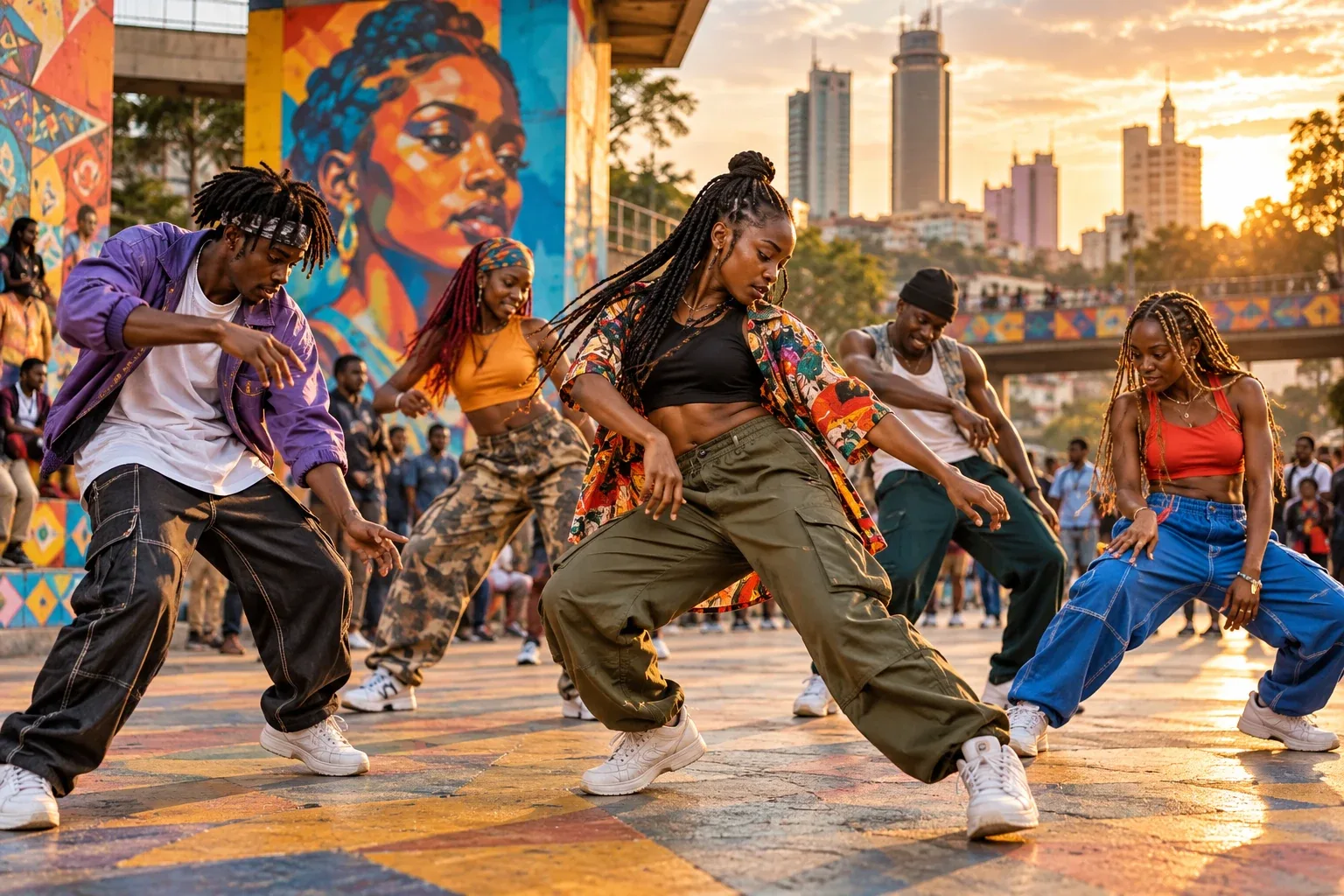
Today dancers move among community gatherings, local studios, school programs, weddings, televised stages and global digital networks. Nairobi’s hip-hop, Afro-fusion, gengetone-associated choreography and contemporary companies speak to current generations, just as Lamu and western villages sustain very different traditions. Training bodies such as Sarakasi Trust support performers, while community custodians safeguard knowledge not owned by institutions. A good atlas records both innovation and rights: accurate community attribution, permissions for images, and space for future voices.
Ocho capítulos profundos sobre el movimiento y la sociedad keniana, sus pueblos y las tradiciones sagradas.
Antes de las fronteras: muchas sociedades y lenguajes del movimiento
La República de Kenia es reciente frente a la profundidad histórica de los pueblos que la habitan. Comunidades de lenguas bantúes, nilóticas y cusitas construyeron redes agrícolas, pesqueras, pastoriles y comerciales. Música y movimiento adoptaron funciones cambiantes: hitos familiares, responsabilidades sociales, encuentros estacionales u obligaciones sagradas. Ningún origen nacional único explica todos estos repertorios. La historia oral y el conocimiento comunitario son tan importantes como los archivos escritos.
La costa y el mundo del océano Índico
Durante siglos, la costa keniana conectó ciudades de África oriental con puertos del océano Índico. La cultura urbana suajili surgió de raíces africanas y amplios encuentros comerciales y religiosos. Canciones de boda, ngoma, Lelemama, Chakacha y Kirumbizi expresan relaciones sociales e historias distintas, no una sola «danza costera». En Lamu y Mombasa, las ocasiones y los grupos participantes importan. El océano fue una ruta de creación cultural, no un simple decorado.
Ganado, generaciones y comunidades en movimiento
En el valle del Rift y el norte viven comunidades masáis y samburúes de lengua maa, además de turkana, borana, rendille y muchas otras. El canto, los pasos y los saltos pueden expresar fortaleza colectiva y relaciones entre grupos de edad. El adumu masái, tan fotografiado, no pertenece indistintamente a todos los kenianos ni a todos los pueblos pastores. El Edong’a turkana tiene su propio contexto. Es fundamental nombrar a cada comunidad y ocasión.
Tambores del oeste: la herencia isukuti
Entre las comunidades isukha e idakho del oeste, el isukuti es una danza social enérgica de tambores, cantos y participación colectiva. Acompaña bodas, conmemoraciones y encuentros públicos. En 2014 la UNESCO la inscribió en la lista de patrimonio inmaterial que requiere salvaguardia urgente por dificultades de transmisión generacional. No es una pieza muerta de museo: importa apoyar a quienes transmiten el conocimiento vivo según sus propias prioridades.
El lago y las tierras altas: canciones que hacen historia
Alrededor del lago Victoria, ohangla, dodo y ramogi ocupan lugares diferentes en las prácticas luo. La vida musical cambia con los encuentros de percusión y las escenas sociales actuales. En las tierras altas centrales, el mwomboko agikuyu se desarrolló como baile de pareja mediante intercambios y adaptaciones; más tarde el mugithi consolidó una cultura participativa de música en vivo y baile social. No son repertorios antiguos e inmutables.
Ceremonias, sanación y responsabilidades culturales
No todo movimiento con tambor es espectáculo público. El kilumi akamba posee sentidos espirituales y sociales estudiados por investigadores kenianos. La danza espiritual mwazindika de la comunidad dawida fue inscrita por la UNESCO en 2025 para salvaguardia urgente y se vincula con sanación, memoria y equilibrio cultural. Reconocerla no autoriza a recrear elementos sagrados. DANZO invita a escuchar a sus custodios y a distinguir documentación pública de conocimientos restringidos.
Rupturas coloniales y renovación tras la independencia
La administración colonial, las misiones religiosas, los cambios económicos, la movilidad laboral y la urbanización transformaron los espacios de actuación. Algunas danzas se desalentaron o adaptaron a escuelas y concursos; otras persistieron en familias y redes locales. Tras la independencia de 1963, instituciones culturales, festivales escolares y conjuntos escénicos difundieron repertorios regionales. La coreografía oficial puede fortalecer el orgullo, pero no sustituye la vida flexible de bodas, hogares y ceremonias.
Un futuro keniano: ciudades creativas y custodios culturales
Hoy se baila en reuniones comunitarias, academias, escuelas, bodas, escenarios televisados y redes digitales globales. El hip-hop de Nairobi, la fusión afro, las coreografías asociadas al gengetone y la danza contemporánea hablan al presente, mientras Lamu y las aldeas occidentales mantienen prácticas muy diferentes. Organizaciones como Sarakasi Trust forman artistas y los custodios comunitarios preservan conocimientos propios. Un buen atlas documenta innovación y derechos: atribución, permisos y nuevas voces.
هشت فصل ژرف دربارهٔ پیوند حرکت و جامعهٔ کنیا، با توجه به جوامع گوناگون و سنتهای مقدس.
پیش از مرزها: جوامع و زبانهای گوناگون حرکت
جمهوری کنیا در برابر تاریخ دیرینهٔ مردمان این سرزمین کشوری جوان است. جوامع بانتوزبان، نیلوتیک و کوشیتی شبکههایی از کشاورزی، ماهیگیری، دامداری و دادوستد ساختند. موسیقی و حرکت در هر جا کارکردی متفاوت داشت: رویدادهای خانوادگی، نقشهای اجتماعی، گردهمایی فصلی یا تعهدات مقدس. یک روایت ملی نمیتواند همهٔ این سنتها را توضیح دهد. تاریخ شفاهی و دانش جامعه در کنار اسناد مکتوب ضروریاند.
ساحل و جهان اقیانوس هند
ساحل کنیا سدهها شهرهای شرق آفریقا را به بندرهای اقیانوس هند پیوند داده است. فرهنگ شهری سواحیلی از ریشههای آفریقایی و برخوردهای گستردهٔ تجاری و دینی بالیده است. آوازهای عروسی، نگُما، لِلِماما، چاکاچا و کیرومبیزی هر یک داستان و نقش اجتماعی ویژهای دارند و یک «رقص ساحلی» واحد نیستند. در لامو و مومباسا مناسبت و گروه شرکتکننده اهمیت دارد. اقیانوس مسیر آفرینش فرهنگی بود، نه صرفاً پسزمینهای زیبا.
دامداری، گروههای سنی و جوامع در حرکت
در درهٔ ریفت و شمال کنیا، ماساییها و سامبوروهای ماآزبان در کنار تورکانا، بورانا، رندیل و جوامع دیگر زندگی میکنند. آواز، گامبرداری و جهش میتواند قدرت جمعی و روابط گروههای سنی را نشان دهد. آدوموی مشهور ماسایی، رقص همهٔ کنیاییها یا همهٔ دامداران نیست. اِدونگای تورکانا نیز زمینهٔ ویژهٔ خود را دارد. شناخت مسئولانه با نامبردن دقیق جامعه و مناسبت آغاز میشود.
طبلهای غرب: میراث ایسوکوتی
در میان جوامع ایسوخا و ایداخو در غرب کنیا، ایسوکوتی رقصی پرانرژی با طبلهای درهمتنیده، آواز و مشارکت جمعی است. این سنت از عروسی تا یادبود و گردهمایی عمومی حضور دارد. یونسکو در ۲۰۱۴ آن را در فهرست میراث ناملموس نیازمند پاسداری فوری ثبت کرد، زیرا انتقال میاننسلی با دشواری روبهروست. این سنت شیئی مرده در موزه نیست؛ مهم حمایت از حاملان زندهٔ دانش برای آموزش نسل بعد با شیوهٔ خودشان است.
دریاچه و ارتفاعات مرکزی: آواز به مثابه تاریخ اجتماعی
پیرامون دریاچهٔ ویکتوریا، اوهانگلا، دودو و راموگی در زندگی فرهنگی لئو جایگاههای متفاوتی دارند. چشمانداز موسیقایی با اجراهای کوبهای و محفلهای امروزی تغییر میکند. در ارتفاعات مرکزی، مومبوکوی آگیکویو بهعنوان رقص زوجی از راه تبادل فرهنگی و دگرگونی پدید آمد و سپس موگیتی به فرهنگ شناختهشدهٔ موسیقی زنده و رقص مشارکتی بدل شد. این شکلها گنجینهای ثابت و بیتغییر از دوران باستان نیستند.
آیین، درمان و مسئولیتهای فرهنگی
هر حرکتی با طبل، سرگرمی عمومی نیست. کیولومیِ آکامبا معانی معنوی و اجتماعی دارد که پژوهشگران کنیایی بررسی کردهاند. رقص معنوی موازیندیکا از جامعهٔ داویدا در ۲۰۲۵ برای پاسداری فوری در یونسکو ثبت شد و با درمان، حافظه و تعادل فرهنگی پیوند دارد. شناخت اهمیت آن به معنی اجازهٔ بازسازی حرکات مقدس نیست. دانزو به شنیدن سخن نگهبانان سنت و تفکیک اسناد عمومی از دانش آیینی محدود دعوت میکند.
گسست استعماری و بازآفرینی پس از استقلال
حکومت استعماری، مأموریتهای مذهبی، دگرگونی اقتصادی، مهاجرت کاری و شهرنشینی فضاهای اجرا را تغییر دادند. برخی رقصها محدود یا برای مدرسه و مسابقه بازآرایی شدند؛ برخی دیگر در خانواده و جامعه دوام آوردند. پس از استقلال ۱۹۶۳، نهادهای فرهنگی، جشنوارههای مدرسهای و گروههای صحنهای سنتهای محلی را به مخاطبان بیشتری رساندند. رقصپردازی رسمی میتواند غرور فرهنگی بسازد، اما جای زندگی پویای سنت در خانه و عروسی را نمیگیرد.
آیندهٔ کنیا: شهرهای خلاق و پاسداران فرهنگ
امروز رقص در گردهمایی، آموزشگاه، مدرسه، عروسی، تلویزیون و شبکههای جهانی جریان دارد. هیپهاپ نایروبی، تلفیق آفریقایی، حرکتهای وابسته به جنجِتون و رقص معاصر زبان نسل امروزند؛ در حالی که لامو و روستاهای غرب سنتهای متفاوتی را حفظ کردهاند. نهادهایی چون ساراکاسی به هنرمندان کمک میکنند و پاسداران محلی دانش ویژه را نگه میدارند. اطلس خوب هم نوآوری و هم حقوق را ثبت میکند: انتساب درست، مجوز تصویر و صدای نسلهای تازه.