History
Rapper Sword Dance
Shared timing, linked dancers and distinct regional phrases
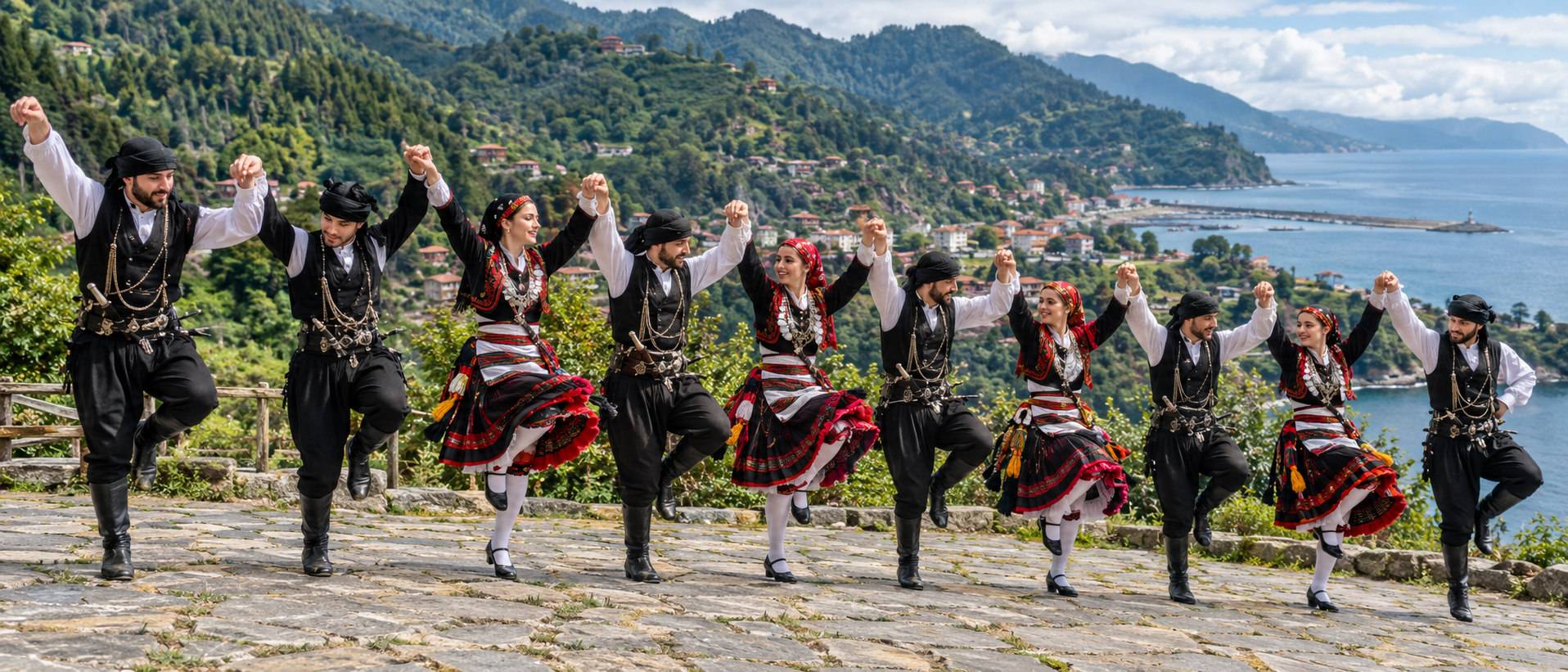
Şêxanî is a named Kurdish dance practiced in several Kurmanji-speaking communities and also known in neighboring cultural traditions. Field workshops describe distinct variants; its steps are not identical in every village or diaspora gathering.
Why it matters
Şêxanî is a named Kurdish dance practiced in several Kurmanji-speaking communities and also known in neighboring cultural traditions. Field workshops describe distinct variants; its steps are not identical in every village or diaspora gathering. This tradition belongs to Kurdish communities and should be credited by name, rather than presented simply as an anonymous "Turkish folk dance".
Key facts
- Type: Line dance
- Origin: Hakkâri and Şırnak; also Behdinan across the border
- Music: Davul and zurna, or live singers
- Level: Moderate
- Where: Weddings, Newroz, community celebrations
History timeline
- Across borders — Şêxanî is widely danced on both sides of the Türkiye–Iraq border.
- Today — Danced at weddings and Newroz celebrations by Kurdish communities in Türkiye, Iraq, Iran, Syria and the diaspora.
Did you know?
- Its bouncing step on the beat makes it one of the most recognisable Kurdish dances.
- Newroz, on 21 March, is one of the biggest occasions for Kurdish line dancing.
Performances to watch
- Şêxanî · Kurdish Line Dance – Performances
Related dances
Why this dance?
How it's danced
Schools
Promote
Promote your classes on this page
Dancers