··EN · ES · FA
Tap a region to read its story
Swipe the timeline
American dance changes with the landscape: fiddles in the mountains, accordions on the bayou, brass bands in New Orleans, drums at Plains powwows and beats in the cities. These regions are a guide, not a border — people, music and dances travel all the time.
New York City is the dance capital of the country: Broadway musicals, Alvin Ailey and dozens of companies, the Lindy Hop of Harlem, breaking in the Bronx, ballroom houses and salsa on2.
Beyond the city, New England keeps contra dancing alive in town halls, and the Berkshires host Jacob’s Pillow, America’s longest-running dance festival.
The South is where many American dances were born. In the Appalachian mountains, fiddles and banjos accompany clogging and flatfooting; in Nashville and across Tennessee, honky-tonks fill with line dancers.
In Louisiana, Cajun and Creole communities dance two-steps and waltzes to accordions, zydeco grows in Black Creole communities, and New Orleans — birthplace of jazz — celebrates life and death with brass-band second lines.
German, Polish, Czech and Scandinavian immigrants filled Midwestern dance halls with polkas and waltzes, and powwows of the Ojibwe, Lakota and other Nations continue across Minnesota, the Dakotas and Wisconsin.
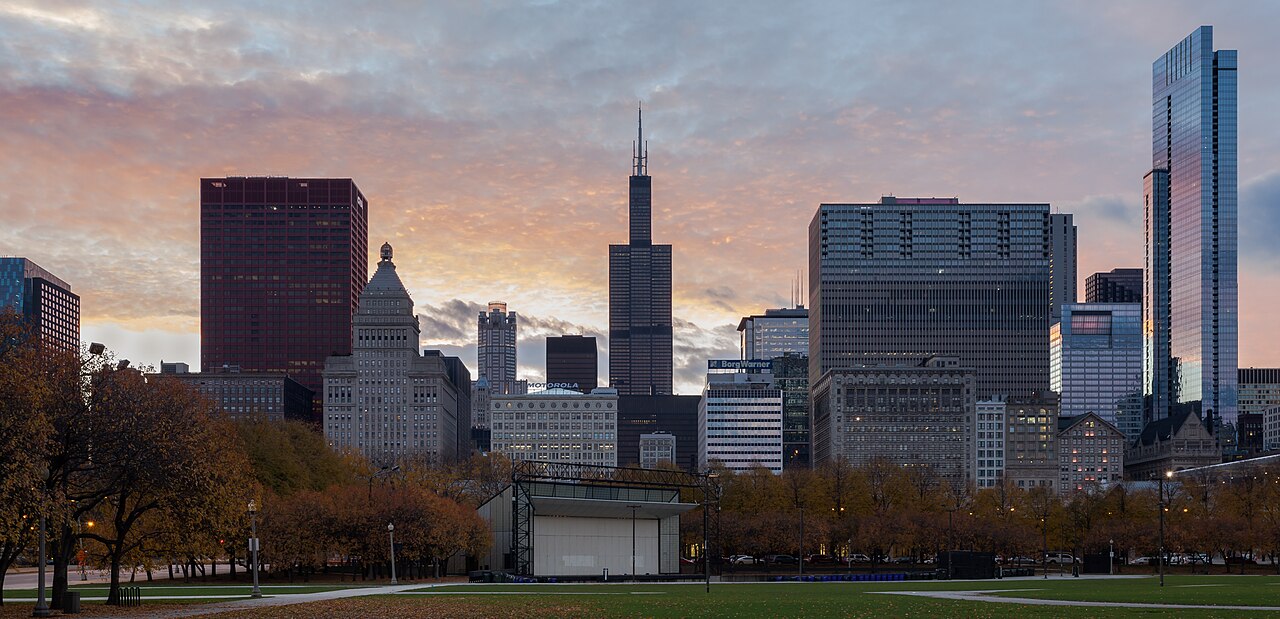
Chicago gave the world house music in the 1980s and its own lightning-fast footwork dance; Detroit’s Motown sound and techno kept the country dancing.
Oklahoma and New Mexico are home to many Native Nations and great powwows; the Heard Museum in Phoenix hosts the World Championship Hoop Dance Contest.
Mexican American communities keep ballet folklórico, cumbia, banda and conjunto dancing alive, while Texas dance halls host two-step and line dancing every weekend.
Montana’s Crow Fair, held every August, is one of the largest Native gatherings in the country, with a parade, rodeo and powwow in a city of tipis.
In Colorado, Lloyd ‘Pappy’ Shaw’s Cheyenne Mountain Dancers revived Western square dancing in the 1930s, and the Denver March Powwow has gathered dancers for half a century.
Los Angeles made dance famous on screen — from Hollywood musicals to music videos — and invented street styles such as locking, waacking and krump; Fresno and Long Beach gave the world popping.
The Bay Area added Oakland boogaloo and turf dancing, and the Pacific Northwest has strong Native, swing and contra communities.
Hawaiʻi’s hula is taught in hālau across the islands and on the mainland; the Merrie Monarch Festival in Hilo is its great annual celebration.
In Alaska, Yup’ik, Iñupiat, Tlingit and other Native peoples keep drum dances and festivals alive, such as the Quyana Alaska performances at the Alaska Federation of Natives convention.