··EN · ES · FA
Tap a region to read its story
Swipe the timeline
Peru is often described through three broad landscapes — coast, Andes and Amazon — yet each contains many peoples and histories. This atlas journeys through dance regions, not arbitrary political boundaries. The examples are introductions, not exhaustive inventories.
Trujillo is closely associated with marinera norteña. Its competitions attract dancers who study precise footwork, elegant posture and the subtle conversation of the white handkerchief.
Performance halls, family celebrations and specialist academies are different settings; none alone defines the whole tradition.
Piura and Morropón are important reference points for tondero, whose guitar-led phrasing and partner exchanges reveal a distinctive rural coastal aesthetic.
The dance is sometimes grouped with other courtship forms, yet local musicians and teachers preserve its individual character.
Lima, Ica and towns such as El Carmen are important places for Afro-Peruvian musical expression. Cajón, voice, dance and rhythmic exchange connect artistic creativity with social memory.
Festejo, alcatraz and landó are not identical movement vocabularies; each requires attention to history, arrangement and community voice.
The Mantaro Valley's huaylarsh reflects agricultural and festive identities. Elsewhere in Junín, chonguinada costumes and masks in Huaconada of Mito encode very different histories.
Huaconada is performed under local ceremonial rules; it should not be described simply as a costume parade.
These south-central highlands maintain the Scissors Dance within Quechua cultural worlds. Harp, violin and spectacular tests of skill are inseparable from locally held meanings.
Ayacucho's collective carnival singing shows another side of regional movement: neighbourhood and village celebrations with distinct repertoires.
Cusco's dance culture is not limited to tourism performances. Community ensembles, patronal fiestas and processions sustain local social ties; Qhapaq Qolla remembers traders of the altiplano.
Modern Inti Raymi is a contemporary public representation inspired by Inca heritage; avoid presenting it as an uninterrupted original ceremony.
Puno is an important meeting place for Quechua and Aymara cultural traditions. The Candelaria celebration fills the city with music, costumes and named dance groups.
Diablada Puneña and Pandilla Puneña have different histories and performance structures. Each deserves its own page.
The Colca Valley's Wititi links young people's social lives with community celebrations. Its richly layered dress and moving formations are inseparable from local customs.
The UNESCO listing belongs to the living heritage of Colca communities; visitors should approach performance with care and attention.
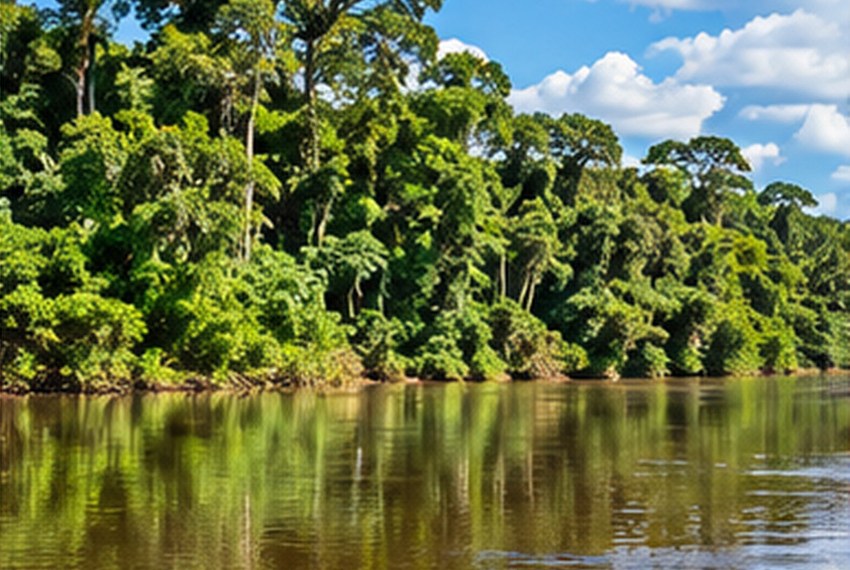
The Carnaval de Lamas includes locally known masked and musical groups. It provides one glimpse of a diverse region; the Amazon's Indigenous peoples have many distinct ceremonial and social practices.
A respectful atlas avoids turning all Amazonian dance into a single image, costume or generalized story.
Sarawja joins music, song and collective dancing in Aymara communities of Moquegua. Its 2025 UNESCO listing celebrates community knowledge carried between generations.
The tradition must be described through its own community, not merely as an example added to an Andean checklist.