··EN · ES · FA
Tap a region to read its story
Swipe the timeline
These places offer an introduction to Peru's cultural geography. A monument is not a dance stage and a community is not a tourist attraction: wherever you travel, value local stories, cultural rights, conservation rules and the people who host the visit.
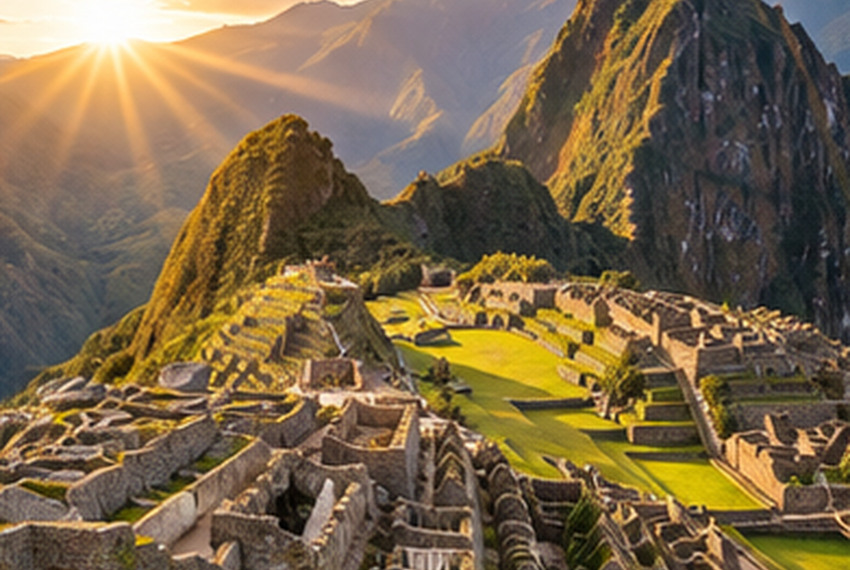
A UNESCO World Heritage site, Machu Picchu combines extraordinary Inca architecture with a protected mountain ecosystem. The sanctuary is not a place to stage invented 'Inca dances'.
For a living dance encounter, explore cultural activities led by communities in the wider Cusco region and honour each site's visitor rules.
Cusco contains Inca urban design alongside buildings transformed during the colonial era. UNESCO recognises its historic significance.
The wider region's festivals include characters such as Qhapaq Qolla; modern Inti Raymi performances should be identified as cultural representations.
The Peruvian shore of Lake Titicaca includes Quechua and Aymara communities and the city of Puno. Their cultural identities extend well beyond any one parade.
Puno's Candelaria observance includes multiple traditions such as Diablada Puneña and Pandilla Puneña, each with its own participants and stories.
Colca Canyon is renowned for its immense Andean landscapes and towns connected by local cultural routes. Chivay is an important reference point for visitors.
The Wititi is a living Colca Valley community tradition. Dance costume and social meanings belong to its practitioners, not to a decorative photograph.
Lima's historic centre retains a built record of colonial and republican periods. A responsible cultural visit pairs architecture with the voices of living communities.
The wider capital region has institutions that teach marinera, Afro-Peruvian forms, ballet and urban dance; seek registered programmes and cultural centres.
The Huacachina conservation area protects a natural oasis among spectacular desert dunes. Tourism should support conservation and local livelihoods.
Ica also belongs to the wider cultural geography of Afro-Peruvian music. Explore its history without suggesting that the oasis itself is the origin of a particular dance.