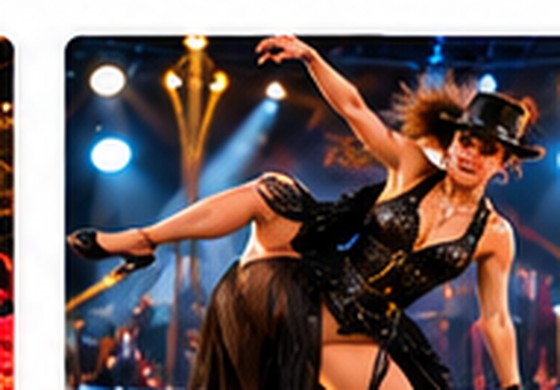
Jazz dance began in African American social dances that moved to jazz music — the cakewalk, Charleston and Lindy Hop — and became a theatrical art through choreographers such as Jack Cole, Jerome Robbins, Bob Fosse and Katherine Dunham.
Jazz dance is built on isolations (moving one body part at a time), syncopation and a grounded, low centre of gravity — qualities rooted in African and African American movement. From the 1940s Jack Cole created a theatrical jazz technique for Hollywood; Fosse’s turned-in knees, hats and gloves defined Broadway style. Today ‘jazz’ in a dance studio may mean Broadway, lyrical, contemporary or commercial jazz. The Smithsonian’s history of the cakewalk is a reminder that these dances were created by Black Americans and often appropriated in minstrel shows, so honouring their originators is part of learning the style.