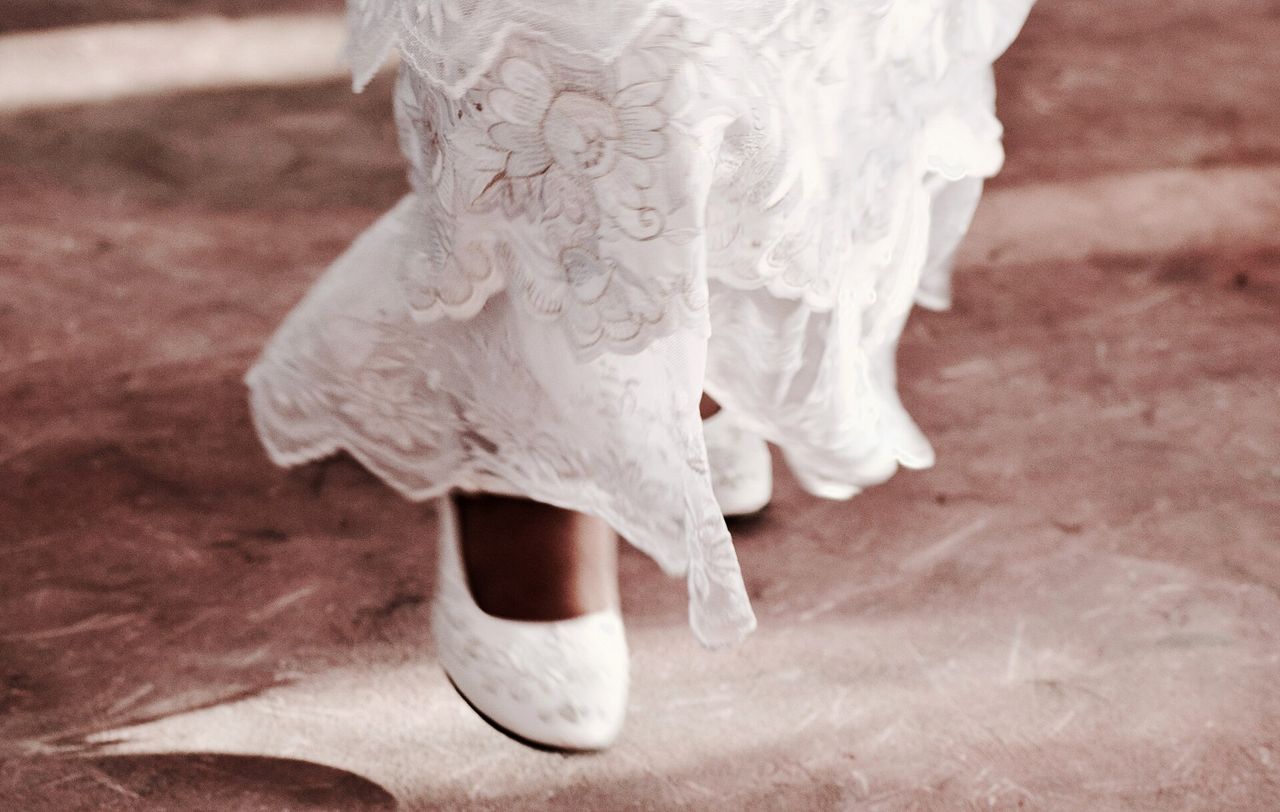
The jarana is Yucatán's dance: couples in white face each other, upright and proud, snapping their fingers while their feet drum quick zapateado — and the best can do it with a bottle or a tray of glasses on the head.
The word jarana names three things in Yucatán: a fiesta, a dance and a kind of music. The dance was born at the vaquería, which began on colonial cattle haciendas: when the year's cattle had been counted and branded by Maya workers, the work ended in a fiesta for the patron saint, mixing Catholic devotion and Maya custom. A document of the Yucatán Congress notes that in the 17th and 18th centuries Spaniards and criollos dismissively called these popular fiestas “jarana”, and the name stuck to the music and the dance. There are two kinds: the older jarana in 6/8, lively and stamped (zapateada), and the later jarana in 3/4, smoother and waltz-like (valseada). Couples face each other in two lines; women and men dance the same steps, the torso still and the arms raised, fingers snapping like castanets. Because the upper body never moves, experts perform suertes, dancing with a bottle or a tray with glasses on the head. At any moment someone may shout “¡Bomba!”: the orquesta jaranera — saxophones, trumpets, trombone, timbales and bass drum — stops, and a dancer recites a witty rhymed verse to his or her partner. Women wear the terno, the gala version of the Maya huipil in three pieces — jubón, hipil and fustán — with a rebozo, flowers and a gold rosary; men wear white trousers, a guayabera, a palm hat, a red paliacate and creaking leather sandals. The fiesta ends with El Torito, a comic bullfight in which the woman charges and the man fights with his paliacate; other dances of the vaquería include the ribbon dance around a pole and, in Cozumel and Yucatán, the Cabeza de Cochino (Pol Kekén), a pig's head carried in procession. The jarana was declared intangible cultural heritage of Yucatán in 2016.