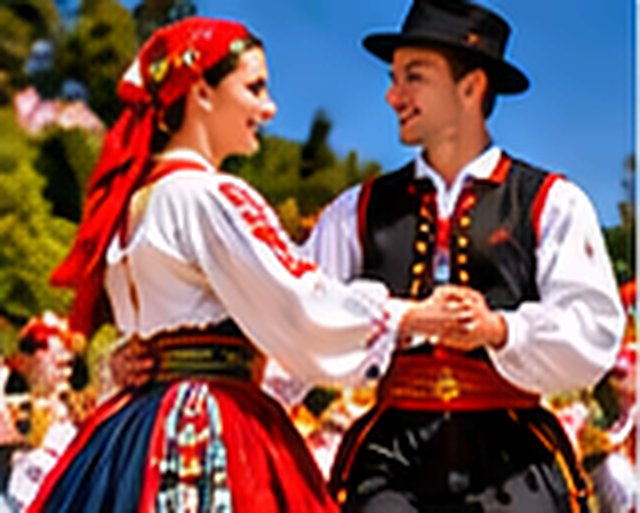
Balun is a traditional dance associated with the Istrian peninsula in northwestern Croatia. The name is connected with regional couple-dance practices, and versions can differ between villages. Istria’s cultural setting reflects Adriatic, Alpine and Central European contacts, visible in its music, dialects and clothing.
Balun is a traditional dance associated with the Istrian peninsula in northwestern Croatia. The name is connected with regional couple-dance practices, and versions can differ between villages. Istria’s cultural setting reflects Adriatic, Alpine and Central European contacts, visible in its music, dialects and clothing. Balun often features couples moving in a shared circular pattern with turns and repeated steps. Traditional Istrian wind instruments, particularly the sopile, may accompany regional dance repertoires. The instrument’s strong tone shapes the dancers’ sense of timing and distinguishes the soundscape from tamburica traditions farther east. When viewing Balun, notice the position of the couples within the circle, how partners turn and how musicians guide changes in energy. Local cultural societies and folk ensembles preserve the repertoire, but any description should name the Istrian community where the version was documented.