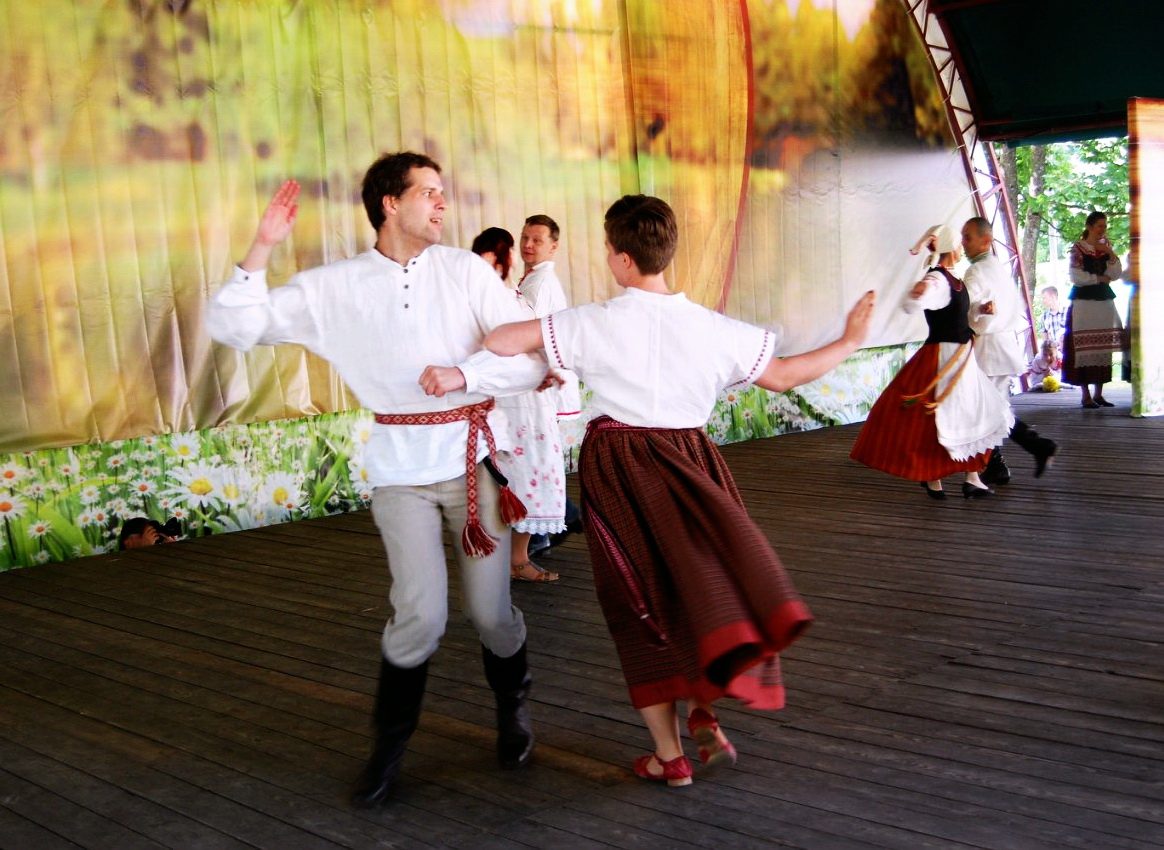
Bulba — 'potato' in Belarusian — is a cheerful stage dance that mimes the potato's whole story: digging, planting, weeding, harvesting and finally eating. It was created in the late 1930s by Igor Moiseyev on a Belarusian folk song and has become one of the best-known images of Belarus.
Potatoes spread through the Belarusian lands in the 18th and 19th centuries and became the heart of the country's cooking — from draniki pancakes to babka bakes — so much so that bulba is almost a national symbol. The dance, however, is a stage creation. In the late 1930s the Moscow choreographer Igor Moiseyev, who had founded his State Folk Dance Ensemble in 1937, travelled in Belarus collecting material and heard a humorous folk song called 'Bulba'. On it he built a character dance in which the whole potato year unfolds in a few minutes: the dancers dig and plant, hoe the rows, gather the harvest, proudly show off the biggest tuber and end in a whirling celebration. Moiseyev later wrote in his memoirs that folklorists told him the dance appeared in Belarus only after his choreography, while villagers insisted it had 'always been around' — a lovely example of how stage and folk tradition feed each other. Since then Bulba has been taken up by Belarusian folk-stage ensembles, schools and children's groups, each with its own version, usually in white linen shirts and red-patterned belts and aprons, the colours of Belarusian costume. It is fast, funny and full of mime, which makes it a favourite finale at concerts and festivals.