··EN · ES · FA
Tap a region to read its story
Swipe the timeline
Explore the beautiful places where Bulgaria's dance culture lives, from historic monasteries to vibrant cities and breathtaking landscapes.
Founded in the medieval period and rebuilt in later centuries, the monastery is noted for its architectural ensemble and frescoes.
The surrounding mountain setting helps explain western Bulgaria’s geography; distinguish pilgrimage traditions from village dance repertoires.
The capital connects folk ensembles, university researchers, community dance classes and performances in public squares.
Today Sofia contains beginner-friendly horo classes, professional folklore stages, and community centers that transmit regional dances in urban settings.
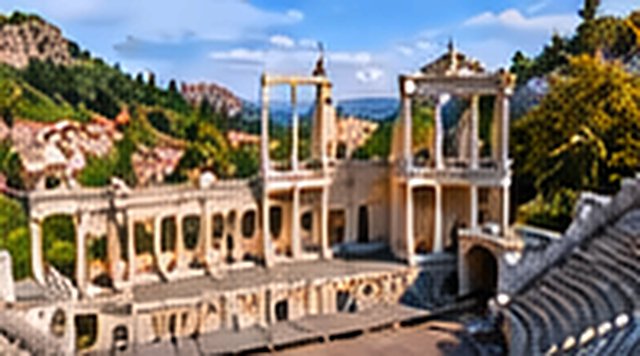
Plovdiv offers a base for exploring Thracian dance patterns and stage ensembles such as Trakia, which preserve and reinterpret folk materials.
The historical city and modern cultural institutions coexist. The city’s ancient age should not be used to claim that every present choreography is ancient.
The Old Town peninsula conserves layered architecture from many periods, recognised by UNESCO.
Check local cultural calendars for current summer folklore performances; do not assume a recurring show is on any given date.
The medieval hill-fortresses and the city’s cultural institutions make it a northern Bulgarian reference point.
Listen to Dunavsko Horo and explore Diko Iliev’s brass-band legacy through northern Bulgarian musical organizations.
Pirin National Park is recognized for its biodiversity and mountain environment, not for one particular folk dance.
Communities around the mountain have diverse local music and dance; explore named villages and events rather than attaching all dances to the park itself.