··EN · ES · FA
Tap a region to read its story
Swipe the timeline
Every region has its own musical histories, social gatherings and ways of moving. Explore seven cultural landscapes rather than treating Argentina as one dance style.
Buenos Aires is a dense meeting place of port-city histories, social milongas, neighborhood carnival and migrant musical traditions. Tango grew across the estuary with Montevideo, not inside a closed national border. Contemporary dance scenes also continually reshape the city.
The Pampas are associated with gaucho imagery and rural dance gatherings, but the region includes many communities and histories. Malambo zapateo tests dancers’ virtuosity; gato and escondido feature paired figures, while pericón uses coordinated collective formations.
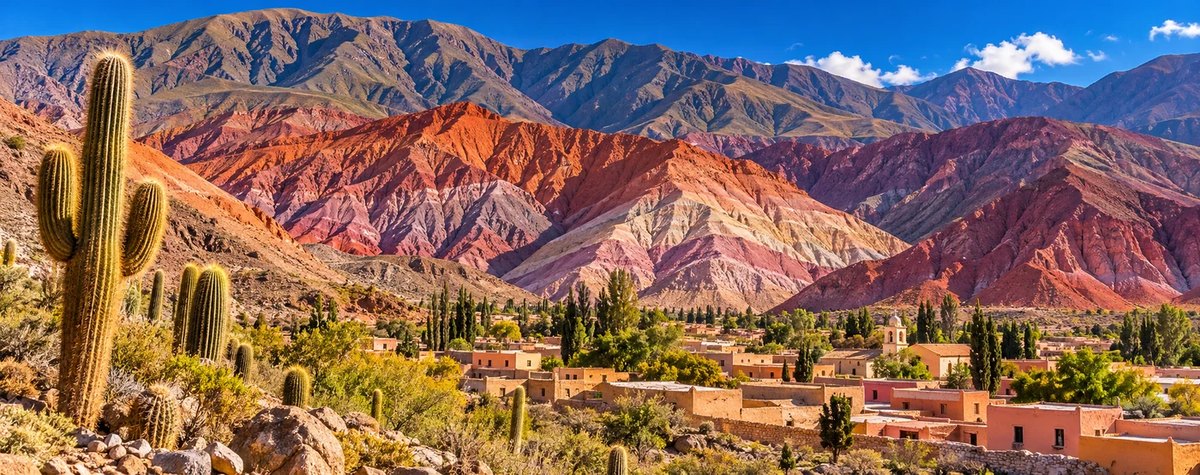
Andean highlands and valleys support carnival processions and regionally varied couple dances. Carnavalito and huayno connect to a larger Andean cultural world; zamba pairs share a lyrical handkerchief exchange, while Santiago del Estero is especially associated with chacarera. Styles and meanings change among local communities.
Rivers, Guaraní cultural histories and migration all shaped the music and dance life of the Litoral. Chamamé is especially tied to Corrientes, where close-embrace couples move to accordion and guitar. Carnival comparsas form another expressive world, distinct from chamamé itself.
The Andean foothills, vineyards and provincial celebrations shape Cuyo’s social repertories. Cueca cuyana features the handkerchief and courtship figures shared with neighboring regions while remaining locally distinctive. La Rioja’s chaya is linked to summer festivities with its own historical setting.
Córdoba is not only a historic city: its working-class popular music generated a strong social dance culture around cuarteto. The dance-floor energy is distinct from folkloric partner figures and has kept evolving across generations. Folkloric repertoires are also practiced throughout the province.
Patagonia includes communities with distinct languages, histories and ceremonial protocols, including Mapuche communities. Sacred or restricted practices must not be repackaged as a universal “tourist dance.” Public regional gatherings, teaching projects and contemporary artists also contribute to southern movement cultures. Seek community voices before describing sacred contexts.