ABOUT DANZO
One World. Thousands of Dances. One Universal Language.
Every Dance Has a Story. Every Story Deserves to Be Remembered.
DANZO was born from a simple but deeply personal belief: dance is far more than physical movement. It is a language of the human spirit, a bridge between generations, a celebration of life, and a living connection between people, culture, nature, and history.
But the story of DANZO began long before this website existed.
It began in the place where I was born, surrounded by mountains, traditions, and people who understood that dancing was not merely something we did.
It was part of who we were.
Where My Journey Began
The Dancing Spirit of the Zagros
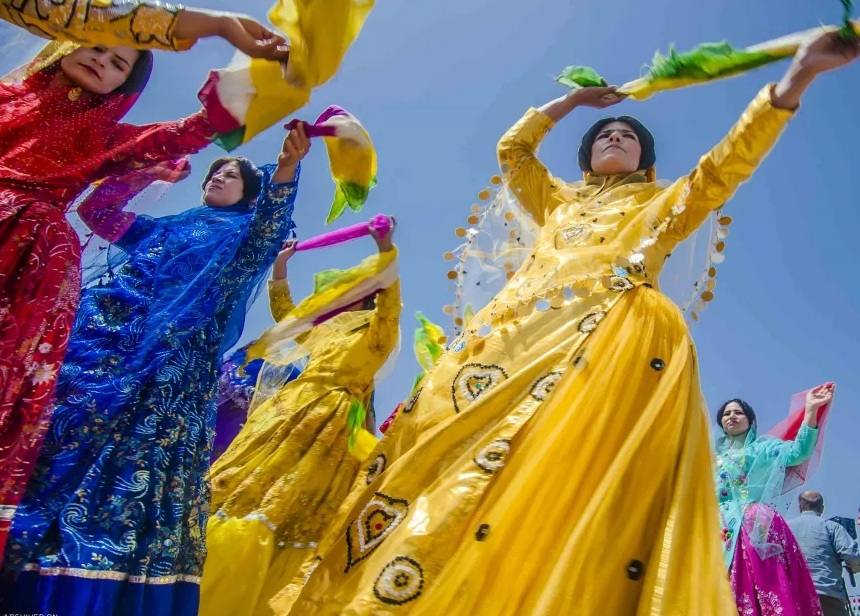
I come from the cultural heritage of the Lurish people, whose traditions are deeply connected to the magnificent Zagros Mountains of Iran.
In the world of my childhood, dance was woven into everyday life.
People danced at weddings, celebrations, family gatherings, and traditional ceremonies. Music and movement brought neighbors together, strengthened friendships, and connected generations.
Yet what made these traditions especially meaningful was that dance was not reserved exclusively for happiness.
In some Lurish communities, dancing also accompanied mourning and funeral traditions.
As a child, I witnessed how people could express joy, grief, respect, courage, and solidarity through the same universal language of movement.
It was only later that I began to understand the profound philosophy behind these practices.
The Philosophy of the Mourning Dance
Among certain Lurish traditions, the mourning dance carries a powerful message about dignity, resilience, and the continuity of life.
Our ancestors understood that when a person who had lived with honor passed away, sorrow was not the only emotion that deserved expression.
Their courage, generosity, character, and contribution to the community also deserved to be remembered.
In this context, dance could become a tribute to the departed and a declaration that their values would continue through future generations.
Although death had taken a loved one, the community remained united.
Although a voice had fallen silent, its memory continued.
Although a life had ended, its influence lived on.
The rhythm continued because life continued.
For me, this philosophy reveals something extraordinary about human culture.
Dance can be a celebration, a remembrance, a collective expression of grief, or a promise that the spirit of a community will endure.
It can preserve memories that words alone cannot fully communicate.
Growing up with this understanding shaped my relationship with movement and music.
I began to recognize dance as a form of cultural knowledge, a living expression of identity, and a connection between the past, present, and future.
The Spiritual Dimension of Dance
From Persian Mysticism to Konya
Another important source of inspiration comes from the rich spiritual and philosophical heritage of Persian culture and Sufi mysticism.
One of the most remarkable examples is Sema, the spiritual whirling ceremony associated with the Mevlevi Sufi tradition and the teachings of the great poet and mystic Jalal al-Din Rumi.
Rumi lived during the thirteenth century and spent much of his life in Konya, in present-day Türkiye. His Persian-language poetry became one of the most influential expressions of mystical love, spiritual transformation, and the human search for divine truth.
For me, Rumi's philosophy represents a profound connection between the cultural world of my origins and the universal spiritual meaning of dance.
In the Mevlevi tradition, Sema is not simply a performance or a display of graceful movement.
It is a spiritual ceremony in which music, poetry, rhythm, and whirling become expressions of devotion and inner transformation.
The turning movement evokes the rhythms and cycles of existence, while the participants seek to move beyond ordinary self-centered concerns toward spiritual awareness and divine love.
Within Sufi philosophy, the concept of fana describes the dissolution or surrender of the ego in the experience of closeness to God.
This does not mean the physical disappearance of the individual. Rather, it refers to an inner transformation in which pride, selfishness, and separation give way to humility, love, and a deeper awareness of existence.
The symbolic gestures of the Mevlevi ceremony express this spiritual journey.
The whirling dervish traditionally opens the arms, with one hand turned upward and the other downward, symbolizing the reception of divine grace and its sharing with the world.
The circular movement becomes a reminder that life is not experienced in isolation.
We are connected to one another, to the natural world, and, within this spiritual tradition, to the divine.
The dancer turns not merely to move through space, but to seek transformation within.
This philosophy has always fascinated me.
It reminds me that across human history, movement has been used not only to entertain or celebrate, but also to explore some of life's deepest questions.
Who are we?
What connects us?
How do we overcome suffering?
And how can we experience a sense of belonging to something greater than ourselves?
Sema is a sacred practice with its own religious meaning, history, and community. It should be understood and respected within that context.
Its philosophy nevertheless offers an important lesson for DANZO:
Dance can be a journey inward as much as an expression outward.
From the Zagros Mountains to Mexico
Discovering a Universal Connection
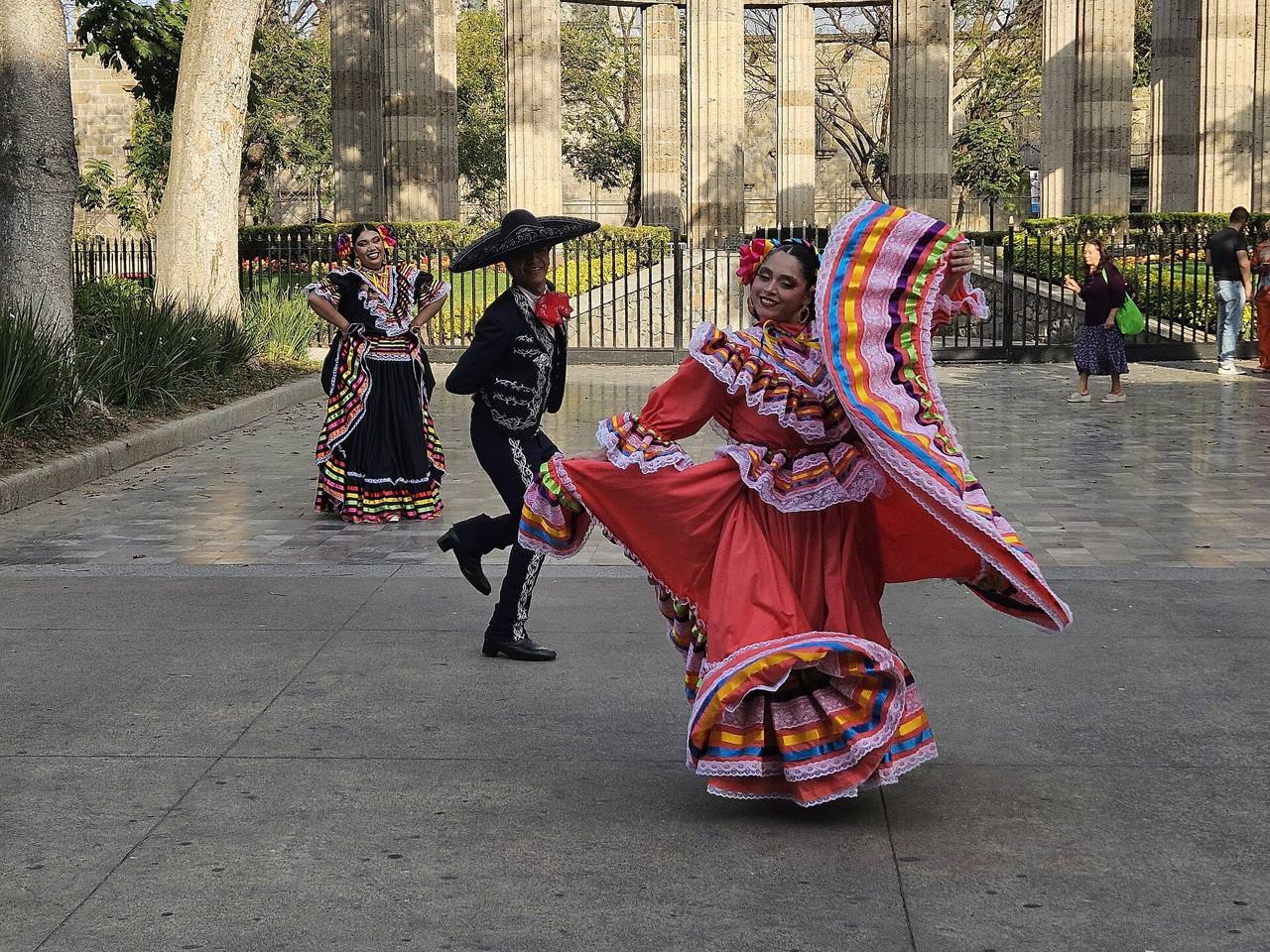
Years later, my personal journey brought me to Mexico, a country whose cultural richness, traditions, music, and Indigenous heritage opened an entirely new world of discovery.
Here, I encountered communities and traditions in which movement, rhythm, and ceremony also hold deep cultural and spiritual significance.
I learned about Indigenous practices connected to the sun, the moon, the natural world, and relationships with animals regarded as spiritually significant within particular traditions.
I also had opportunities to meet people who had dedicated important parts of their lives to dance, traditional practices, and cultural ceremonies.
Through these friendships and experiences, I began to recognize something deeply familiar.
Although I was thousands of kilometers away from my birthplace, I could see connections between the cultural expressions I had known in Iran and the traditions I was discovering in Mexico.
The histories were different.
The music was different.
The movements were different.
The beliefs and ceremonial meanings were different.
Yet there was a recognizable human desire to express identity, gratitude, emotion, and belonging through movement.
These encounters reminded me that every culture has its own voice, and dance is one of the ways that voice can be heard.
They also taught me that sacred traditions must be approached with humility.
Not every ceremony is intended for public performance, photography, or reproduction. Some belong to specific communities and carry responsibilities that outsiders must respect.
This understanding became central to my vision for DANZO.
I did not want simply to collect dances. I wanted to create a place where people could discover their meaning while respecting the communities that keep them alive.
The Healing Joy of Movement
My Personal Experience
My belief in the power of dance is not based only on cultural observation.
I have experienced it personally.
There were many evenings when I returned home exhausted, discouraged, or emotionally overwhelmed.
Sometimes life felt heavy, and my energy seemed to disappear.
On those nights, I would occasionally turn on my favorite music and begin dancing alone.
There was no audience.
No choreography to remember.
No performance to perfect.
Just music, movement, and a few moments of freedom.
And something wonderful often happened.
My mood began to change.
The tension of the day gradually faded.
I felt lighter, more energetic, and more connected to myself.
These simple experiences taught me an important lesson:
Dance does not always need a special occasion. Sometimes, the movement itself becomes the reason to celebrate.
Modern research into dance and physical activity provides encouraging evidence for many of these experiences.
Depending on the style, intensity, and individual, regular dancing can support cardiovascular health, muscular fitness, balance, coordination, mobility, and physical endurance.
It can also contribute to psychological well-being by encouraging self-expression, enjoyment, social connection, and relief from everyday stress.
Learning dance sequences challenges attention, memory, rhythm, and motor coordination.
Participating in group dances can strengthen communication, cooperation, confidence, and a sense of belonging.
Dance may also support cognitive engagement and quality of life as people grow older.
These benefits are not identical for everyone, and dancing is not a substitute for professional medical or psychological care. Nevertheless, it offers an accessible and enjoyable way for many people to become more physically active and emotionally engaged.
What I discovered through my own experience was simple:
Movement can change how we experience a moment, and sometimes that small change is enough to help us face the rest of the day with renewed energy.
My Child, My Inspiration
Why Dance Matters for Children
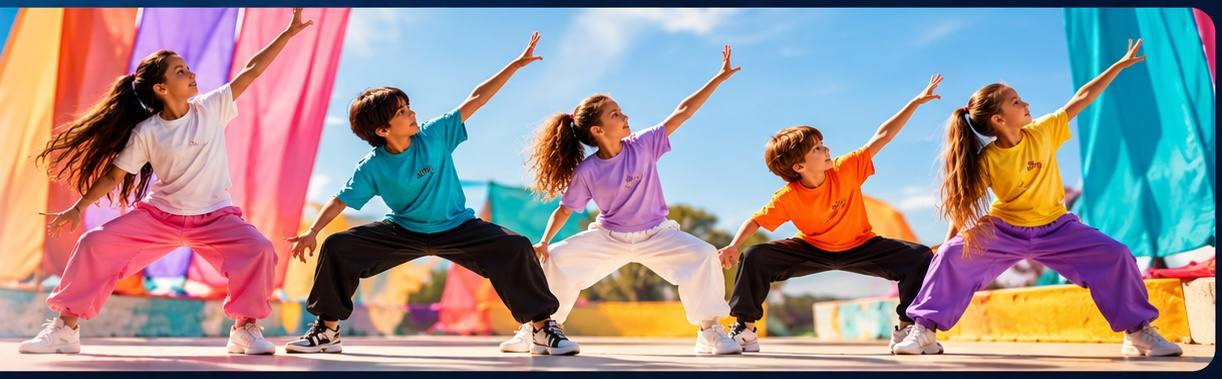
Another essential part of the DANZO story began with my daughter.
Like many children, she was naturally curious about music, movement, and learning new dances.
She wanted to explore different styles, discover new movements, and experience the excitement of learning something new.
As a parent, I wanted to encourage that curiosity.
We frequently searched for dance schools, instructors, workshops, and activities that could help her discover what she enjoyed.
But the search revealed an unexpected difficulty.
Information was scattered everywhere.
Some schools had websites. Others relied entirely on social media. Independent instructors promoted their lessons separately, and information about traditional dance, festivals, and cultural activities was often difficult to find.
There was no obvious comprehensive resource connecting all these opportunities.
I began to wonder how many other parents were facing the same challenge.
And I asked myself another question:
Why should discovering the world of dance be so complicated when dancing itself can be so natural and joyful?
This experience strengthened my determination to create DANZO.
Why I Believe Children Should Dance
I believe children should have opportunities to explore dance from an early age, not because every child must become a professional dancer, but because movement and music can support many aspects of healthy development.
Dance offers opportunities to improve balance, coordination, flexibility, rhythm, and body awareness.
It encourages physical activity while allowing children to experience exercise as something enjoyable rather than an obligation.
Learning steps and sequences can help children practice concentration, memory, listening, and following instructions.
Creative movement gives them opportunities to express emotions and develop imagination.
Group dancing can encourage cooperation, patience, friendship, and respect for others.
Performing or mastering new movements may also strengthen self-confidence and provide a sense of achievement.
Perhaps most importantly, dance can introduce children to cultural diversity.
Through movement and music, they can discover how people from different parts of the world celebrate, communicate, and preserve their traditions.
They can learn that differences between cultures are not obstacles to friendship, but opportunities for curiosity and understanding.
A child who learns to appreciate another culture's dance may also learn to appreciate the people behind that tradition.
For these reasons, DANZO includes a dedicated Kids & Families section.
My vision is to provide parents, teachers, and children with accessible resources, educational videos, creative activities, and information about age-appropriate dance opportunities.
Not every child will become a dancer.
But every child deserves the opportunity to discover the joy of movement.
The Turning Point
When an Ending Became a Beginning
For years, the idea of building a worldwide dance platform continued to grow in my mind.
My cultural background, experiences in Mexico, inspiring friendships, personal relationship with dance, and journey as a parent had gradually come together.
Yet turning such an ambitious idea into reality required something more.
It required a decision.
Then, at a difficult moment in my professional life, I unexpectedly lost my job.
Like many people who experience such a change, I faced uncertainty about the future.
But gradually, I began to see this moment from another perspective.
Perhaps what seemed like an ending could become the beginning of something meaningful.
For the first time, I had an opportunity to dedicate myself to an idea that had been developing within me for years.
Instead of allowing uncertainty to define my future, I decided to follow a dream.
A dream that combined my passion for culture, my curiosity about humanity, my belief in education, and my personal understanding of the power of dance.
I decided to build something that could connect people across borders and generations.
That decision became the beginning of DANZO.
Why I Created DANZO
A Home for the World's Dances
Dance is among humanity's most widespread and enduring forms of cultural expression.
Long before modern recording technology, written dance notation, or digital communication, communities used rhythm and movement to gather, celebrate, communicate, and participate in ceremonies.
Across different societies, dance has accompanied births, marriages, harvests, religious practices, mourning, celebrations, and important moments of collective life.
Each tradition has its own history and meaning, yet the human capacity to express ourselves through movement is remarkably widespread.
This fascinates me.
Our languages may be different.
Our customs may be different.
Our histories and beliefs may be different.
But rhythm and movement can create connections across these differences.
I created DANZO to make those connections easier to discover.
My ambition is to develop a comprehensive, accessible, and continuously growing global platform dedicated to dance and everything connected to it.
A place where visitors can discover traditional dances from countries around the world.
Where they can learn about the origins, meanings, philosophies, and histories of different dance forms.
Where parents can explore educational opportunities for their children.
Where students can discover instructors and schools.
Where travelers can find dance festivals, performances, and cultural events.
Where dancers, educators, researchers, and cultural organizations can share knowledge.
And where anyone with a curiosity about dance can explore books, interviews, articles, videos, and educational resources.
Through the World Dance Atlas, DANZO aims to bring together information about countries, dance traditions, people, schools, organizations, festivals, and cultural knowledge.
My goal is not simply to create a directory.
I want to build a living cultural resource where every dance has the opportunity to tell its story.
Why I Chose the Name DANZO
The name of this project was not chosen by accident.
It carries the philosophy of the entire platform.
In Spanish, two familiar verbs describe the act of dancing: bailar and danzar.
Both refer to dance, and they can overlap in everyday language. However, they often evoke different associations.
Bailar is widely used for dancing in everyday life: enjoying music, celebrating with friends, or moving simply for pleasure.
Danzar, while also meaning to dance, can evoke a more artistic, traditional, ceremonial, or expressive dimension of movement.
For me, danzar carries a special resonance.
It reminds me of ancestral traditions, ritual movements, cultural identity, and the deeper meanings that communities have given to dance throughout history.
I wanted to honor this beautiful Spanish word because it represents the dimension of dance that first inspired my journey.
But I also wanted a name that would feel universal, memorable, and welcoming to people from different cultures.
That is how DANZO was born.
The beginning of the name comes from danzar, celebrating the Spanish language and its connection to dance as an artistic and cultural expression.
The final letter, O, has a special symbolic meaning for me.
It represents a circle.
A circle of dancers.
A circle of community.
A circle without a beginning or an end.
Across many cultures, circular formations have been used in dances, celebrations, and ceremonies. They can symbolize togetherness, continuity, shared rhythm, and the connection between individuals and their communities.
The circle also reminds me of the spiritual whirling of the Sufi tradition, the collective movements of ancestral dances, and the simple joy of people joining hands and moving together.
Most importantly, a circle has room for everyone.
No one needs to stand above another.
No one needs to be the center of attention.
Everyone can become part of the movement.
For me, DANZO means honoring the depth of dance while inviting the whole world into one shared circle.
It brings together tradition and modernity, cultural memory and personal freedom, spiritual expression and everyday happiness.
It represents the idea that although our dances may be different, we all belong to the same human family.
This is why I chose the name DANZO.
Not simply because it sounds like the word for dancing, but because it reflects what I hope this project will become:
A global circle of cultures, stories, movements, and people connected through dance.
Giving a Voice to Forgotten and Lesser-Known Dances
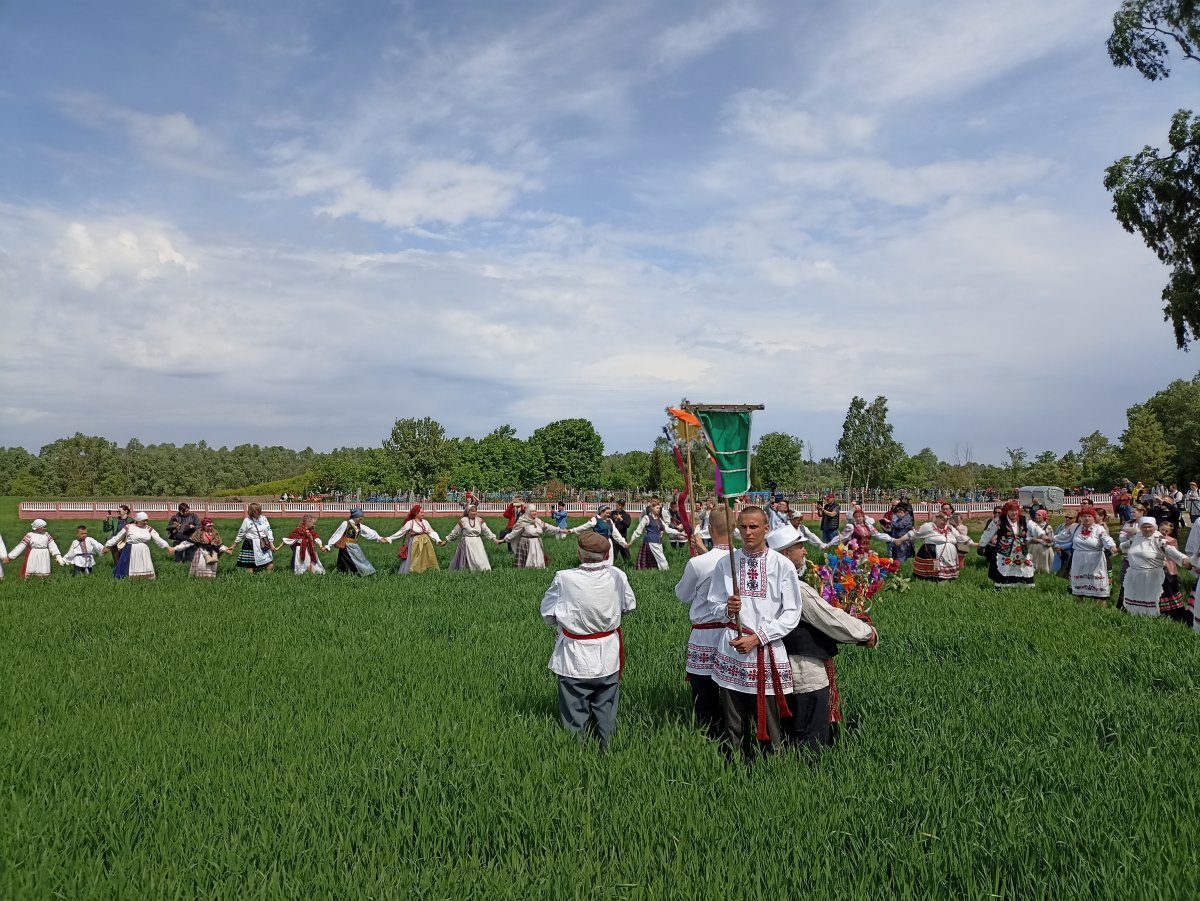
One of my deepest motivations is to help preserve and share the world's extraordinary cultural diversity.
Some of the most meaningful dances are not internationally famous.
They may exist in small villages, remote mountain communities, isolated regions, or among families who have maintained their traditions for generations.
Some dances remain vibrant but are rarely documented outside their communities.
Others face the possibility of disappearing as elders pass away, younger generations migrate, or traditional ways of life change.
I believe these traditions deserve attention, recognition, and respect.
DANZO aims to create opportunities for people to contribute information about local dances, including traditions that may be little-known or at risk of being forgotten.
Perhaps someone will discover a dance their grandparents once practiced.
Perhaps a young person will become interested in the traditions of their own community.
Perhaps a teacher will find new educational material.
Perhaps a cultural organization will connect with people who want to learn from it.
And perhaps a tradition that has received little attention will gain renewed interest among future generations.
However, I strongly believe that cultural preservation must be based on respect.
Not every ceremony is intended for public documentation, photography, or performance.
Some knowledge is sacred, private, or restricted to particular communities.
DANZO should recognize these boundaries, respect cultural ownership, acknowledge reliable sources, and encourage contributions made with appropriate knowledge and permission.
Our mission is not to claim ownership of the world's cultural heritage.
Our mission is to help people discover it, appreciate it, and respect those who preserve it.
A Global Dream, Built One Step at a Time
DANZO is an ambitious project.
I know that documenting the world's dances and developing a reliable international platform is an enormous undertaking.
And I want to be transparent with everyone who visits this website.
I started building DANZO independently, investing my own time, effort, energy, and resources.
I am not a large organization with hundreds of employees, researchers, and developers.
I am one person with a dream that reaches far beyond my own abilities.
This means some sections of the website may still be incomplete.
Some dances may be missing.
Certain information may require corrections, additional research, or updates.
I do not claim to know every dance or understand every culture.
In fact, I believe some of the most valuable knowledge belongs to the people who have lived and practiced these traditions throughout their lives.
That is why I want DANZO to grow through collaboration.
If you are a dancer, instructor, researcher, cultural representative, educator, parent, or simply someone who knows a local dance, I would be grateful for your participation.
If you notice an error, have a suggestion, or would like to share reliable information, I sincerely welcome your feedback.
Every thoughtful contribution can help make DANZO more accurate, inclusive, and useful.
DANZO may have begun with one person, but its future can be shaped by people from every corner of the world.
Supporting DANZO
Sharing the Joy of Dance
My first priority is not to turn DANZO into a commercial business.
My priority is to build something useful, trustworthy, educational, and accessible to people from different countries and backgrounds.
I want visitors to be able to explore the world of dance without unnecessary barriers.
However, maintaining and improving a global website requires resources.
Hosting, technology, research, translation, content development, and ongoing improvements all involve time and expense.
For this reason, DANZO includes an optional Support DANZO section.
If this website helps you discover something meaningful, learn about a culture, find a dance school, or simply feel inspired, you are welcome to support its continued development through a voluntary donation.
There is no obligation.
Your curiosity, feedback, participation, and willingness to share DANZO are already valuable contributions.
But if you choose to help financially, your generosity can contribute to keeping the platform operating and expanding its cultural and educational resources.
If DANZO brings you a little happiness, you can help that happiness reach someone else.
Stay Connected
A World of Dance in Your Inbox
I also want DANZO to become a place where people return regularly to discover something new.
Through our planned free monthly newsletter, I intend to share dance-related news, cultural discoveries, featured traditions, educational resources, and updates about the development of the platform.
My hope is that each edition will introduce readers to something they may never have encountered before.
Perhaps a traditional dance from a distant country.
An inspiring dancer or instructor.
A festival that deserves greater international attention.
Or a fascinating connection between dance, culture, science, and human well-being.
The newsletter will be free because I believe knowledge and cultural discovery should be accessible to everyone.
My Message to the World
Just Move and Dance
 Just move and dance.
If there is one message I want people to remember after visiting DANZO, it is this:
You do not need to be a professional dancer to experience the joy of dancing.
You do not need a stage.
You do not need an audience.
You do not need expensive clothes or perfect technique.
You do not even need to know the name of the dance.
Dance can begin in your living room, in your kitchen, at a family gathering, or wherever you feel comfortable moving.
When you feel tired, try moving to a rhythm you love.
When life becomes stressful, allow yourself a moment of movement and expression.
When you feel happy, celebrate.
And when you feel alone, remember that countless people across the world have found connection through music and dance.
Dancing cannot solve every problem, but it can offer moments of enjoyment, freedom, energy, and human connection.
I began DANZO because I believe these experiences deserve to be shared.
I believe the wisdom of our elders deserves to be remembered.
I believe children deserve opportunities to discover the joy of movement.
I believe cultural traditions deserve to be respected and communities deserve the opportunity to tell their own stories.
And above all, I believe dance can bring people closer together.
If you share this belief, I invite you to explore DANZO, contribute your knowledge, discover something new, and share this website with your friends and family.
Together, we can help make the world's dance heritage more visible, accessible, and appreciated.
Because dance belongs to the human story, and that story is still being written.
A Personal Note of Gratitude
Before concluding this story, I would like to express my sincere gratitude and warmest regards to Gabriela Fonseca, whose remarkable and inspiring life journey had a meaningful influence on my own.
Her story of personal transformation, perseverance, and renewal through music and dance reminded me that movement can become much more than an artistic expression.
It can become a source of strength, a pathway toward self-discovery, and an opportunity to begin a new chapter in life.
Her experiences encouraged me to look beyond the conventional understanding of dance and recognize its extraordinary potential to inspire hope, restore confidence, and transform the way we experience the world.
Sometimes, the most important inspiration comes not from books or formal education, but from the lives of people who demonstrate, through their own experiences, what courage and determination can achieve.
Gabriela's journey was one of those inspirations for me.
I am deeply grateful for the encouragement and perspective her story brought into my life.
Thank you, Gabriela, for reminding me that music and dance can help us rediscover ourselves, embrace change, and find the courage to begin again.
An Invitation to Join the Circle
DANZO began with memories of my homeland, the philosophy of ancestral dances, the spiritual wisdom of Sufi traditions, the cultural richness I encountered in Mexico, the curiosity of my child, and the encouragement of remarkable people.
It grew through moments of happiness and uncertainty.
Through personal discoveries and difficult changes.
Through a belief that the world's dance traditions deserve to be remembered, understood, and shared.
Today, I invite you to become part of this journey.
Whether you are a dancer, a teacher, a parent, a researcher, a cultural storyteller, or simply someone who enjoys moving to music, there is a place for you in DANZO.
Explore the world.
Discover a dance.
Learn its story.
Respect its origins.
Share your knowledge.
And whenever life feels heavy, remember that sometimes a little movement can bring a new sense of energy and possibility.
The circle is open. The world is invited.
JUST MOVE AND DANCE.
With gratitude,
The Founder of DANZO: M. TORABI
Photo credits
- Jarabe tapatío 4.jpg — Salvador alc · CC BY-SA 4.0
- Пагост (Жыткавіцкі раён). Юраўскі карагод 2 (02).jpg — Валацуга · CC BY-SA 3.0
Other images: DANZO.