Founder's story · 19 min read

ABOUT DANZO

One World. Thousands of Dances. One Universal Language.

Every Dance Has a Story. Every Story Deserves to Be Remembered.
DANZO — Just move and dance

DANZO was born from a simple but deeply personal belief: dance is far more than physical movement. It is a language of the human spirit, a bridge between generations, a celebration of life, and a living connection between people, culture, nature, and history.

But the story of DANZO began long before this website existed.

It began in the place where I was born, surrounded by mountains, traditions, and people who understood that dancing was not merely something we did.

It was part of who we were.

01
Iran · Zagros

Where My Journey Began

The Dancing Spirit of the Zagros
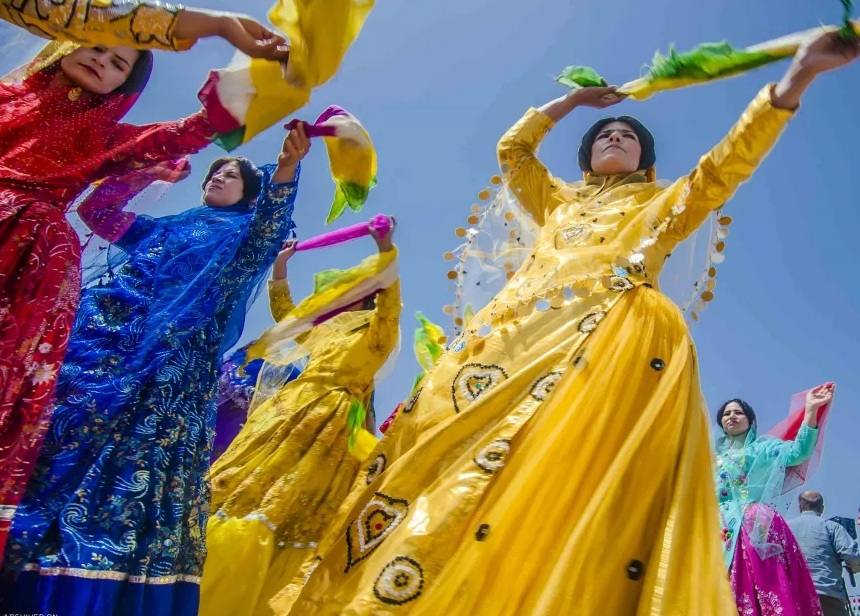
Lurish women dancing with coloured scarves (dastmal) — the dance of the Zagros

I come from the cultural heritage of the Lurish people, whose traditions are deeply connected to the magnificent Zagros Mountains of Iran.

In the world of my childhood, dance was woven into everyday life.

People danced at weddings, celebrations, family gatherings, and traditional ceremonies. Music and movement brought neighbors together, strengthened friendships, and connected generations.

Yet what made these traditions especially meaningful was that dance was not reserved exclusively for happiness.

In some Lurish communities, dancing also accompanied mourning and funeral traditions.

As a child, I witnessed how people could express joy, grief, respect, courage, and solidarity through the same universal language of movement.

It was only later that I began to understand the profound philosophy behind these practices.

The Philosophy of the Mourning Dance

Among certain Lurish traditions, the mourning dance carries a powerful message about dignity, resilience, and the continuity of life.

Our ancestors understood that when a person who had lived with honor passed away, sorrow was not the only emotion that deserved expression.

Their courage, generosity, character, and contribution to the community also deserved to be remembered.

In this context, dance could become a tribute to the departed and a declaration that their values would continue through future generations.

Although death had taken a loved one, the community remained united.

Although a voice had fallen silent, its memory continued.

Although a life had ended, its influence lived on.

The rhythm continued because life continued.

For me, this philosophy reveals something extraordinary about human culture.

Dance can be a celebration, a remembrance, a collective expression of grief, or a promise that the spirit of a community will endure.

It can preserve memories that words alone cannot fully communicate.

Growing up with this understanding shaped my relationship with movement and music.

I began to recognize dance as a form of cultural knowledge, a living expression of identity, and a connection between the past, present, and future.

02
Konya · Sufi wisdom

The Spiritual Dimension of Dance

From Persian Mysticism to Konya

Another important source of inspiration comes from the rich spiritual and philosophical heritage of Persian culture and Sufi mysticism.

One of the most remarkable examples is Sema, the spiritual whirling ceremony associated with the Mevlevi Sufi tradition and the teachings of the great poet and mystic Jalal al-Din Rumi.

Rumi lived during the thirteenth century and spent much of his life in Konya, in present-day Türkiye. His Persian-language poetry became one of the most influential expressions of mystical love, spiritual transformation, and the human search for divine truth.

For me, Rumi's philosophy represents a profound connection between the cultural world of my origins and the universal spiritual meaning of dance.

In the Mevlevi tradition, Sema is not simply a performance or a display of graceful movement.

It is a spiritual ceremony in which music, poetry, rhythm, and whirling become expressions of devotion and inner transformation.

The turning movement evokes the rhythms and cycles of existence, while the participants seek to move beyond ordinary self-centered concerns toward spiritual awareness and divine love.

Within Sufi philosophy, the concept of fana describes the dissolution or surrender of the ego in the experience of closeness to God.

This does not mean the physical disappearance of the individual. Rather, it refers to an inner transformation in which pride, selfishness, and separation give way to humility, love, and a deeper awareness of existence.

The symbolic gestures of the Mevlevi ceremony express this spiritual journey.

The whirling dervish traditionally opens the arms, with one hand turned upward and the other downward, symbolizing the reception of divine grace and its sharing with the world.

The circular movement becomes a reminder that life is not experienced in isolation.

We are connected to one another, to the natural world, and, within this spiritual tradition, to the divine.

The dancer turns not merely to move through space, but to seek transformation within.

This philosophy has always fascinated me.

It reminds me that across human history, movement has been used not only to entertain or celebrate, but also to explore some of life's deepest questions.

Who are we?

What connects us?

How do we overcome suffering?

And how can we experience a sense of belonging to something greater than ourselves?

Sema is a sacred practice with its own religious meaning, history, and community. It should be understood and respected within that context.

Its philosophy nevertheless offers an important lesson for DANZO:

Dance can be a journey inward as much as an expression outward.

03
Mexico

From the Zagros Mountains to Mexico

Discovering a Universal Connection
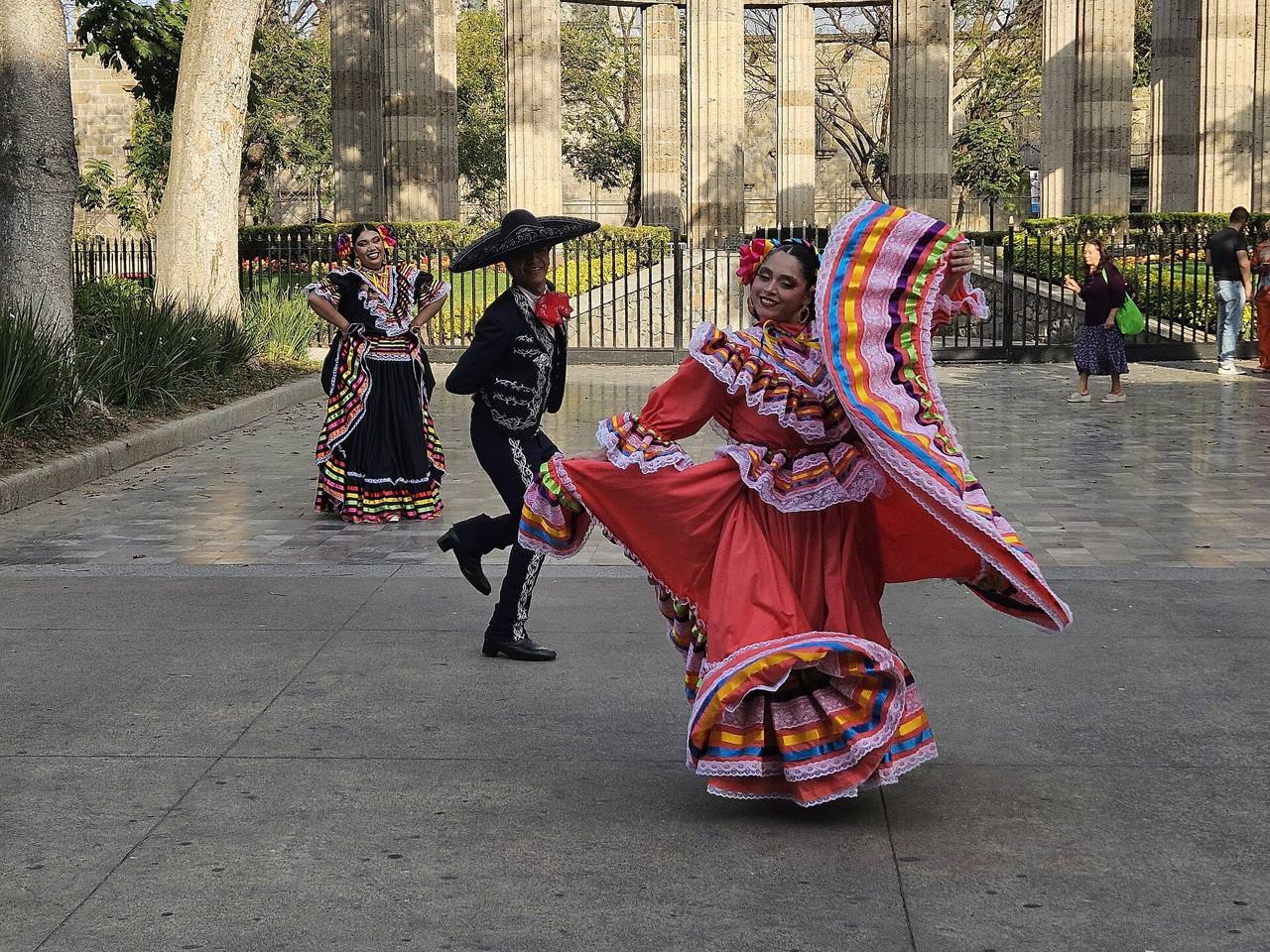
Jarabe tapatío — Mexico, where the DANZO journey continued

Years later, my personal journey brought me to Mexico, a country whose cultural richness, traditions, music, and Indigenous heritage opened an entirely new world of discovery.

Here, I encountered communities and traditions in which movement, rhythm, and ceremony also hold deep cultural and spiritual significance.

I learned about Indigenous practices connected to the sun, the moon, the natural world, and relationships with animals regarded as spiritually significant within particular traditions.

I also had opportunities to meet people who had dedicated important parts of their lives to dance, traditional practices, and cultural ceremonies.

Through these friendships and experiences, I began to recognize something deeply familiar.

Although I was thousands of kilometers away from my birthplace, I could see connections between the cultural expressions I had known in Iran and the traditions I was discovering in Mexico.

The histories were different.

The music was different.

The movements were different.

The beliefs and ceremonial meanings were different.

Yet there was a recognizable human desire to express identity, gratitude, emotion, and belonging through movement.

These encounters reminded me that every culture has its own voice, and dance is one of the ways that voice can be heard.

They also taught me that sacred traditions must be approached with humility.

Not every ceremony is intended for public performance, photography, or reproduction. Some belong to specific communities and carry responsibilities that outsiders must respect.

This understanding became central to my vision for DANZO.

I did not want simply to collect dances. I wanted to create a place where people could discover their meaning while respecting the communities that keep them alive.

04
Body & mind

The Healing Joy of Movement

My Personal Experience

My belief in the power of dance is not based only on cultural observation.

I have experienced it personally.

There were many evenings when I returned home exhausted, discouraged, or emotionally overwhelmed.

Sometimes life felt heavy, and my energy seemed to disappear.

On those nights, I would occasionally turn on my favorite music and begin dancing alone.

There was no audience.

No choreography to remember.

No performance to perfect.

Just music, movement, and a few moments of freedom.

And something wonderful often happened.

My mood began to change.

The tension of the day gradually faded.

I felt lighter, more energetic, and more connected to myself.

These simple experiences taught me an important lesson:

Dance does not always need a special occasion. Sometimes, the movement itself becomes the reason to celebrate.

Modern research into dance and physical activity provides encouraging evidence for many of these experiences.

Depending on the style, intensity, and individual, regular dancing can support cardiovascular health, muscular fitness, balance, coordination, mobility, and physical endurance.

It can also contribute to psychological well-being by encouraging self-expression, enjoyment, social connection, and relief from everyday stress.

Learning dance sequences challenges attention, memory, rhythm, and motor coordination.

Participating in group dances can strengthen communication, cooperation, confidence, and a sense of belonging.

Dance may also support cognitive engagement and quality of life as people grow older.

These benefits are not identical for everyone, and dancing is not a substitute for professional medical or psychological care. Nevertheless, it offers an accessible and enjoyable way for many people to become more physically active and emotionally engaged.

What I discovered through my own experience was simple:

Movement can change how we experience a moment, and sometimes that small change is enough to help us face the rest of the day with renewed energy.

05
Kids & families

My Child, My Inspiration

Why Dance Matters for Children
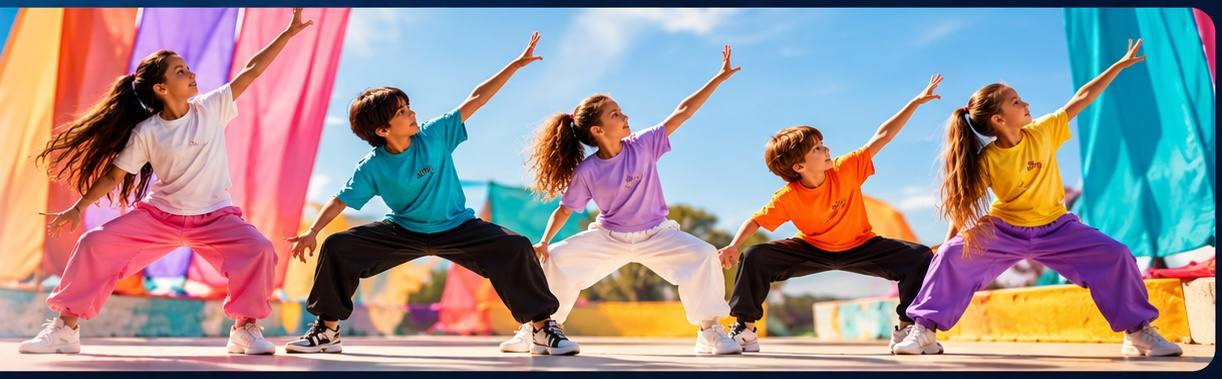
Every child deserves to discover the joy of movement

Another essential part of the DANZO story began with my daughter.

Like many children, she was naturally curious about music, movement, and learning new dances.

She wanted to explore different styles, discover new movements, and experience the excitement of learning something new.

As a parent, I wanted to encourage that curiosity.

We frequently searched for dance schools, instructors, workshops, and activities that could help her discover what she enjoyed.

But the search revealed an unexpected difficulty.

Information was scattered everywhere.

Some schools had websites. Others relied entirely on social media. Independent instructors promoted their lessons separately, and information about traditional dance, festivals, and cultural activities was often difficult to find.

There was no obvious comprehensive resource connecting all these opportunities.

I began to wonder how many other parents were facing the same challenge.

And I asked myself another question:

Why should discovering the world of dance be so complicated when dancing itself can be so natural and joyful?

This experience strengthened my determination to create DANZO.

Why I Believe Children Should Dance

I believe children should have opportunities to explore dance from an early age, not because every child must become a professional dancer, but because movement and music can support many aspects of healthy development.

Dance offers opportunities to improve balance, coordination, flexibility, rhythm, and body awareness.

It encourages physical activity while allowing children to experience exercise as something enjoyable rather than an obligation.

Learning steps and sequences can help children practice concentration, memory, listening, and following instructions.

Creative movement gives them opportunities to express emotions and develop imagination.

Group dancing can encourage cooperation, patience, friendship, and respect for others.

Performing or mastering new movements may also strengthen self-confidence and provide a sense of achievement.

Perhaps most importantly, dance can introduce children to cultural diversity.

Through movement and music, they can discover how people from different parts of the world celebrate, communicate, and preserve their traditions.

They can learn that differences between cultures are not obstacles to friendship, but opportunities for curiosity and understanding.

A child who learns to appreciate another culture's dance may also learn to appreciate the people behind that tradition.

For these reasons, DANZO includes a dedicated Kids & Families section.

My vision is to provide parents, teachers, and children with accessible resources, educational videos, creative activities, and information about age-appropriate dance opportunities.

Not every child will become a dancer.

But every child deserves the opportunity to discover the joy of movement.

06
A new beginning

The Turning Point

When an Ending Became a Beginning

For years, the idea of building a worldwide dance platform continued to grow in my mind.

My cultural background, experiences in Mexico, inspiring friendships, personal relationship with dance, and journey as a parent had gradually come together.

Yet turning such an ambitious idea into reality required something more.

It required a decision.

Then, at a difficult moment in my professional life, I unexpectedly lost my job.

Like many people who experience such a change, I faced uncertainty about the future.

But gradually, I began to see this moment from another perspective.

Perhaps what seemed like an ending could become the beginning of something meaningful.

For the first time, I had an opportunity to dedicate myself to an idea that had been developing within me for years.

Instead of allowing uncertainty to define my future, I decided to follow a dream.

A dream that combined my passion for culture, my curiosity about humanity, my belief in education, and my personal understanding of the power of dance.

I decided to build something that could connect people across borders and generations.

That decision became the beginning of DANZO.

07
The atlas

Why I Created DANZO

A Home for the World's Dances

195countries
6continents
3languages
∞stories to tell

Dance is among humanity's most widespread and enduring forms of cultural expression.

Long before modern recording technology, written dance notation, or digital communication, communities used rhythm and movement to gather, celebrate, communicate, and participate in ceremonies.

Across different societies, dance has accompanied births, marriages, harvests, religious practices, mourning, celebrations, and important moments of collective life.

Each tradition has its own history and meaning, yet the human capacity to express ourselves through movement is remarkably widespread.

This fascinates me.

Our languages may be different.

Our customs may be different.

Our histories and beliefs may be different.

But rhythm and movement can create connections across these differences.

I created DANZO to make those connections easier to discover.

My ambition is to develop a comprehensive, accessible, and continuously growing global platform dedicated to dance and everything connected to it.

A place where visitors can discover traditional dances from countries around the world.

Where they can learn about the origins, meanings, philosophies, and histories of different dance forms.

Where parents can explore educational opportunities for their children.

Where students can discover instructors and schools.

Where travelers can find dance festivals, performances, and cultural events.

Where dancers, educators, researchers, and cultural organizations can share knowledge.

And where anyone with a curiosity about dance can explore books, interviews, articles, videos, and educational resources.

Through the World Dance Atlas, DANZO aims to bring together information about countries, dance traditions, people, schools, organizations, festivals, and cultural knowledge.

My goal is not simply to create a directory.

I want to build a living cultural resource where every dance has the opportunity to tell its story.

08
The name

Why I Chose the Name DANZO

The name of this project was not chosen by accident.

It carries the philosophy of the entire platform.

In Spanish, two familiar verbs describe the act of dancing: bailar and danzar.

Both refer to dance, and they can overlap in everyday language. However, they often evoke different associations.

Bailar is widely used for dancing in everyday life: enjoying music, celebrating with friends, or moving simply for pleasure.

Danzar, while also meaning to dance, can evoke a more artistic, traditional, ceremonial, or expressive dimension of movement.

For me, danzar carries a special resonance.

It reminds me of ancestral traditions, ritual movements, cultural identity, and the deeper meanings that communities have given to dance throughout history.

I wanted to honor this beautiful Spanish word because it represents the dimension of dance that first inspired my journey.

But I also wanted a name that would feel universal, memorable, and welcoming to people from different cultures.

That is how DANZO was born.

The beginning of the name comes from danzar, celebrating the Spanish language and its connection to dance as an artistic and cultural expression.

The final letter, O, has a special symbolic meaning for me.

It represents a circle.

A circle of dancers.

A circle of community.

A circle without a beginning or an end.

Across many cultures, circular formations have been used in dances, celebrations, and ceremonies. They can symbolize togetherness, continuity, shared rhythm, and the connection between individuals and their communities.

The circle also reminds me of the spiritual whirling of the Sufi tradition, the collective movements of ancestral dances, and the simple joy of people joining hands and moving together.

Most importantly, a circle has room for everyone.

No one needs to stand above another.

No one needs to be the center of attention.

Everyone can become part of the movement.

For me, DANZO means honoring the depth of dance while inviting the whole world into one shared circle.

It brings together tradition and modernity, cultural memory and personal freedom, spiritual expression and everyday happiness.

It represents the idea that although our dances may be different, we all belong to the same human family.

This is why I chose the name DANZO.

Not simply because it sounds like the word for dancing, but because it reflects what I hope this project will become:

A global circle of cultures, stories, movements, and people connected through dance.

09
Living heritage

Giving a Voice to Forgotten and Lesser-Known Dances
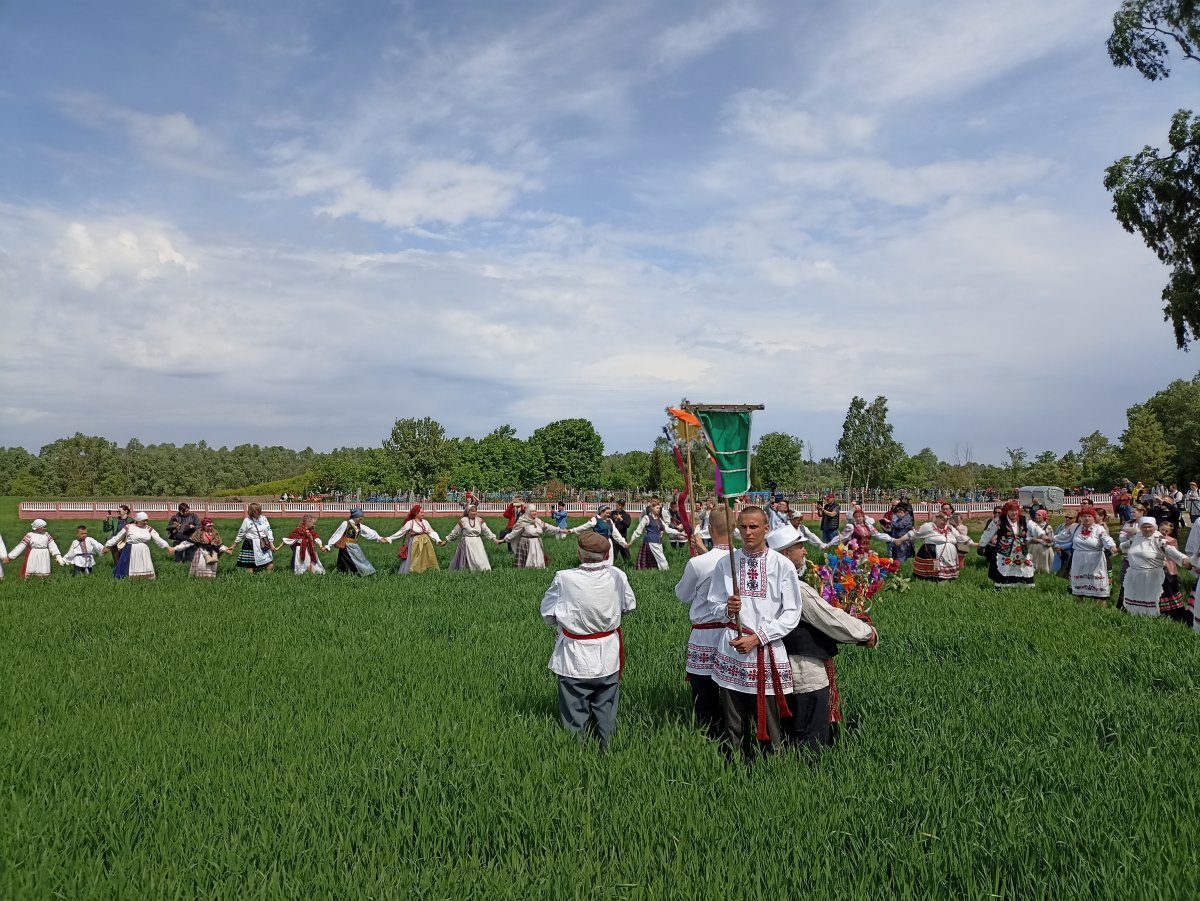
The Yuraŭski Karahod of Pahost, Belarus — a village round dance on UNESCO's list of heritage in need of urgent safeguarding

One of my deepest motivations is to help preserve and share the world's extraordinary cultural diversity.

Some of the most meaningful dances are not internationally famous.

They may exist in small villages, remote mountain communities, isolated regions, or among families who have maintained their traditions for generations.

Some dances remain vibrant but are rarely documented outside their communities.

Others face the possibility of disappearing as elders pass away, younger generations migrate, or traditional ways of life change.

I believe these traditions deserve attention, recognition, and respect.

DANZO aims to create opportunities for people to contribute information about local dances, including traditions that may be little-known or at risk of being forgotten.

Perhaps someone will discover a dance their grandparents once practiced.

Perhaps a young person will become interested in the traditions of their own community.

Perhaps a teacher will find new educational material.

Perhaps a cultural organization will connect with people who want to learn from it.

And perhaps a tradition that has received little attention will gain renewed interest among future generations.

However, I strongly believe that cultural preservation must be based on respect.

Not every ceremony is intended for public documentation, photography, or performance.

Some knowledge is sacred, private, or restricted to particular communities.

DANZO should recognize these boundaries, respect cultural ownership, acknowledge reliable sources, and encourage contributions made with appropriate knowledge and permission.

Our mission is not to claim ownership of the world's cultural heritage.

Our mission is to help people discover it, appreciate it, and respect those who preserve it.

10
Built together

A Global Dream, Built One Step at a Time

DANZO is an ambitious project.

I know that documenting the world's dances and developing a reliable international platform is an enormous undertaking.

And I want to be transparent with everyone who visits this website.

I started building DANZO independently, investing my own time, effort, energy, and resources.

I am not a large organization with hundreds of employees, researchers, and developers.

I am one person with a dream that reaches far beyond my own abilities.

This means some sections of the website may still be incomplete.

Some dances may be missing.

Certain information may require corrections, additional research, or updates.

I do not claim to know every dance or understand every culture.

In fact, I believe some of the most valuable knowledge belongs to the people who have lived and practiced these traditions throughout their lives.

That is why I want DANZO to grow through collaboration.

If you are a dancer, instructor, researcher, cultural representative, educator, parent, or simply someone who knows a local dance, I would be grateful for your participation.

If you notice an error, have a suggestion, or would like to share reliable information, I sincerely welcome your feedback.

Every thoughtful contribution can help make DANZO more accurate, inclusive, and useful.

DANZO may have begun with one person, but its future can be shaped by people from every corner of the world.

11
Support

Supporting DANZO

Sharing the Joy of Dance

My first priority is not to turn DANZO into a commercial business.

My priority is to build something useful, trustworthy, educational, and accessible to people from different countries and backgrounds.

I want visitors to be able to explore the world of dance without unnecessary barriers.

However, maintaining and improving a global website requires resources.

Hosting, technology, research, translation, content development, and ongoing improvements all involve time and expense.

For this reason, DANZO includes an optional Support DANZO section.

If this website helps you discover something meaningful, learn about a culture, find a dance school, or simply feel inspired, you are welcome to support its continued development through a voluntary donation.

There is no obligation.

Your curiosity, feedback, participation, and willingness to share DANZO are already valuable contributions.

But if you choose to help financially, your generosity can contribute to keeping the platform operating and expanding its cultural and educational resources.

If DANZO brings you a little happiness, you can help that happiness reach someone else.

12
Newsletter

Stay Connected

A World of Dance in Your Inbox

I also want DANZO to become a place where people return regularly to discover something new.

Through our planned free monthly newsletter, I intend to share dance-related news, cultural discoveries, featured traditions, educational resources, and updates about the development of the platform.

My hope is that each edition will introduce readers to something they may never have encountered before.

Perhaps a traditional dance from a distant country.

An inspiring dancer or instructor.

A festival that deserves greater international attention.

Or a fascinating connection between dance, culture, science, and human well-being.

The newsletter will be free because I believe knowledge and cultural discovery should be accessible to everyone.

13
Our message

My Message to the World

Just Move and Dance
Just move and dance.

If there is one message I want people to remember after visiting DANZO, it is this:

You do not need to be a professional dancer to experience the joy of dancing.

You do not need a stage.

You do not need an audience.

You do not need expensive clothes or perfect technique.

You do not even need to know the name of the dance.

Dance can begin in your living room, in your kitchen, at a family gathering, or wherever you feel comfortable moving.

When you feel tired, try moving to a rhythm you love.

When life becomes stressful, allow yourself a moment of movement and expression.

When you feel happy, celebrate.

And when you feel alone, remember that countless people across the world have found connection through music and dance.

Dancing cannot solve every problem, but it can offer moments of enjoyment, freedom, energy, and human connection.

I began DANZO because I believe these experiences deserve to be shared.

I believe the wisdom of our elders deserves to be remembered.

I believe children deserve opportunities to discover the joy of movement.

I believe cultural traditions deserve to be respected and communities deserve the opportunity to tell their own stories.

And above all, I believe dance can bring people closer together.

If you share this belief, I invite you to explore DANZO, contribute your knowledge, discover something new, and share this website with your friends and family.

Together, we can help make the world's dance heritage more visible, accessible, and appreciated.

Because dance belongs to the human story, and that story is still being written.

14
Gratitude

A Personal Note of Gratitude

Before concluding this story, I would like to express my sincere gratitude and warmest regards to Gabriela Fonseca, whose remarkable and inspiring life journey had a meaningful influence on my own.

Her story of personal transformation, perseverance, and renewal through music and dance reminded me that movement can become much more than an artistic expression.

It can become a source of strength, a pathway toward self-discovery, and an opportunity to begin a new chapter in life.

Her experiences encouraged me to look beyond the conventional understanding of dance and recognize its extraordinary potential to inspire hope, restore confidence, and transform the way we experience the world.

Sometimes, the most important inspiration comes not from books or formal education, but from the lives of people who demonstrate, through their own experiences, what courage and determination can achieve.

Gabriela's journey was one of those inspirations for me.

I am deeply grateful for the encouragement and perspective her story brought into my life.

Thank you, Gabriela, for reminding me that music and dance can help us rediscover ourselves, embrace change, and find the courage to begin again.

15
Join the circle

An Invitation to Join the Circle

DANZO began with memories of my homeland, the philosophy of ancestral dances, the spiritual wisdom of Sufi traditions, the cultural richness I encountered in Mexico, the curiosity of my child, and the encouragement of remarkable people.

It grew through moments of happiness and uncertainty.

Through personal discoveries and difficult changes.

Through a belief that the world's dance traditions deserve to be remembered, understood, and shared.

Today, I invite you to become part of this journey.

Whether you are a dancer, a teacher, a parent, a researcher, a cultural storyteller, or simply someone who enjoys moving to music, there is a place for you in DANZO.

Explore the world.

Discover a dance.

Learn its story.

Respect its origins.

Share your knowledge.

And whenever life feels heavy, remember that sometimes a little movement can bring a new sense of energy and possibility.

The circle is open. The world is invited.

JUST MOVE AND DANCE.

With gratitude,

The Founder of DANZO: M. TORABI

Photo credits

Other images: DANZO.

Historia del fundador · 21 min de lectura

SOBRE DANZO

Un mundo. Miles de danzas. Un lenguaje universal.

Cada danza tiene una historia. Cada historia merece ser recordada.

DANZO — Just move and dance

DANZO nació de una convicción sencilla, pero profundamente personal: la danza es mucho más que un movimiento físico. Es un lenguaje del espíritu humano, un puente entre generaciones, una celebración de la vida y una conexión viva entre las personas, la cultura, la naturaleza y la historia.

Sin embargo, la historia de DANZO comenzó mucho antes de que existiera este sitio web.

Comenzó en el lugar donde nací, rodeado de montañas, tradiciones y personas que comprendían que bailar no era simplemente algo que hacíamos.

Era parte de lo que éramos.

01
Irán · Zagros

Donde comenzó mi viaje

el espíritu de la danza en los montes Zagros

Mujeres lur bailando con pañuelos de colores (dastmal): la danza de los Zagros

Provengo de la herencia cultural del pueblo lur, cuyas tradiciones están profundamente vinculadas con las majestuosas montañas Zagros, en Irán.

En el mundo de mi infancia, la danza formaba parte de la vida cotidiana.

Las personas bailaban en bodas, celebraciones, reuniones familiares y ceremonias tradicionales. La música y el movimiento reunían a los vecinos, fortalecían las amistades y conectaban a distintas generaciones.

Pero había algo que hacía especialmente significativas estas tradiciones: la danza no estaba reservada exclusivamente para los momentos de felicidad.

En algunas comunidades lures, la danza también acompañaba los rituales de duelo y las ceremonias funerarias.

Desde pequeño, observé cómo las personas podían expresar alegría, tristeza, respeto, valentía y solidaridad a través de un mismo lenguaje universal: el movimiento.

Solo con el paso del tiempo comencé a comprender la profunda filosofía que existía detrás de estas prácticas.

La filosofía de la danza del duelo

En ciertas tradiciones lures, la danza del duelo transmite un poderoso mensaje de dignidad, resiliencia y continuidad de la vida.

Nuestros antepasados comprendían que, cuando fallecía una persona que había vivido con honor, el dolor no era el único sentimiento que merecía expresarse.

También debían recordarse su valentía, generosidad, carácter y contribución a la comunidad.

En este contexto, la danza podía convertirse en un homenaje a quien había partido y en una declaración de que sus valores continuarían vivos en las siguientes generaciones.

Aunque la muerte se hubiera llevado a un ser querido, la comunidad permanecía unida.

Aunque una voz se hubiera apagado, su memoria continuaba.

Aunque una vida hubiera terminado, su influencia seguía presente.

El ritmo continuaba porque la vida continuaba.

Para mí, esta filosofía revela algo extraordinario sobre la cultura humana.

La danza puede ser una celebración, un recuerdo, una expresión colectiva del dolor o una promesa de que el espíritu de una comunidad perdurará.

Puede conservar memorias que las palabras, por sí solas, no logran transmitir plenamente.

Crecer con esta comprensión marcó profundamente mi relación con el movimiento y la música.

Comencé a reconocer la danza como una forma de conocimiento cultural, una expresión viva de identidad y un vínculo entre el pasado, el presente y el futuro.

02
Konya · sabiduría sufí

La dimensión espiritual de la danza

del misticismo persa a Konya

Otra importante fuente de inspiración proviene del rico patrimonio espiritual y filosófico de la cultura persa y del misticismo sufí.

Uno de sus ejemplos más extraordinarios es el Sema, la ceremonia espiritual de los derviches giróvagos, vinculada con la tradición sufí mevleví y las enseñanzas del gran poeta y místico Yalal ad-Din Rumi.

Rumi vivió durante el siglo XIII y pasó gran parte de su vida en Konya, en la actual Türkiye. Su poesía en lengua persa se convirtió en una de las expresiones más influyentes del amor místico, la transformación espiritual y la búsqueda humana de la verdad divina.

Para mí, la filosofía de Rumi representa una conexión profunda entre el mundo cultural de mis orígenes y el significado espiritual universal de la danza.

En la tradición mevleví, el Sema no es simplemente una presentación artística ni una exhibición de movimientos elegantes.

Es una ceremonia espiritual en la que la música, la poesía, el ritmo y los giros se convierten en expresiones de devoción y transformación interior.

El movimiento giratorio evoca los ritmos y ciclos de la existencia, mientras los participantes buscan trascender las preocupaciones centradas en el ego para acercarse a la conciencia espiritual y al amor divino.

Dentro de la filosofía sufí, el concepto de faná describe la disolución o entrega del ego en la experiencia de cercanía con Dios.

Esto no significa la desaparición física de la persona, sino una transformación interior en la que el orgullo, el egoísmo y la separación dan paso a la humildad, el amor y una comprensión más profunda de la existencia.

Los gestos simbólicos de la ceremonia mevleví expresan este recorrido espiritual.

Tradicionalmente, el derviche abre los brazos, con una mano orientada hacia el cielo y la otra hacia la tierra, simbolizando la recepción de la gracia divina y su transmisión al mundo.

El movimiento circular nos recuerda que la vida no se experimenta de manera aislada.

Estamos conectados entre nosotros, con la naturaleza y, dentro de esta tradición espiritual, con lo divino.

El danzante no gira únicamente para desplazarse por el espacio, sino para buscar una transformación en su interior.

Esta filosofía siempre me ha fascinado.

Me recuerda que, a lo largo de la historia, el movimiento no solo ha servido para entretener o celebrar, sino también para explorar algunas de las preguntas más profundas de la existencia.

¿Quiénes somos?

¿Qué nos conecta?

¿Cómo podemos superar el sufrimiento?

¿Y cómo podemos experimentar el sentimiento de pertenecer a algo más grande que nosotros mismos?

El Sema es una práctica sagrada, con su propio significado religioso, historia y comunidad. Por ello, debe comprenderse y respetarse dentro de su contexto.

Sin embargo, su filosofía ofrece una enseñanza fundamental para DANZO:

La danza puede ser tanto un viaje hacia nuestro interior como una expresión hacia el mundo exterior.

03
México

De los montes Zagros a México

el descubrimiento de una conexión universal

Jarabe tapatío: México, donde continuó el viaje de DANZO

Años después, mi recorrido personal me llevó a México, un país cuya extraordinaria riqueza cultural, sus tradiciones, su música y su patrimonio indígena me abrieron las puertas a un universo completamente nuevo.

Aquí descubrí comunidades y tradiciones en las que el movimiento, el ritmo y las ceremonias también poseen un profundo significado cultural y espiritual.

Conocí prácticas indígenas relacionadas con el sol, la luna, el mundo natural y los vínculos con animales considerados espiritualmente significativos dentro de determinadas tradiciones.

También tuve la oportunidad de conocer a personas que habían dedicado una parte importante de sus vidas a la danza, las prácticas tradicionales y las ceremonias culturales.

A través de estas amistades y experiencias, comencé a reconocer algo profundamente familiar.

Aunque me encontraba a miles de kilómetros de mi lugar de nacimiento, podía percibir conexiones entre las expresiones culturales que había conocido en Irán y las tradiciones que estaba descubriendo en México.

Las historias eran diferentes.

La música era diferente.

Los movimientos eran diferentes.

Las creencias y los significados ceremoniales eran diferentes.

Sin embargo, existía un deseo humano reconocible de expresar identidad, gratitud, emociones y pertenencia a través del movimiento.

Estos encuentros me recordaron que cada cultura tiene su propia voz y que la danza es una de las maneras de hacerla escuchar.

También me enseñaron que las tradiciones sagradas deben abordarse con humildad.

No todas las ceremonias están destinadas a presentarse públicamente, fotografiarse o reproducirse. Algunas pertenecen a comunidades específicas y conllevan responsabilidades que las personas externas debemos respetar.

Esta comprensión se convirtió en un principio central de mi visión para DANZO.

No quería simplemente recopilar danzas. Quería crear un lugar donde las personas pudieran descubrir su significado y, al mismo tiempo, respetar a las comunidades que las mantienen vivas.

04
Cuerpo y mente

La alegría transformadora del movimiento

mi experiencia personal

Mi convicción sobre el poder de la danza no se basa únicamente en la observación cultural.

También lo he experimentado personalmente.

Hubo muchas noches en las que regresaba a casa agotado, desanimado o emocionalmente abrumado.

A veces, la vida parecía demasiado pesada y sentía que mi energía desaparecía.

En esas noches, ocasionalmente ponía mi música favorita y comenzaba a bailar solo.

No había público.

No había coreografías que recordar.

No había ninguna presentación que perfeccionar.

Solo música, movimiento y unos momentos de libertad.

Y, con frecuencia, ocurría algo maravilloso.

Mi estado de ánimo comenzaba a cambiar.

La tensión del día se desvanecía poco a poco.

Me sentía más ligero, con más energía y más conectado conmigo mismo.

Estas experiencias sencillas me enseñaron una lección importante:

La danza no siempre necesita una ocasión especial. A veces, el propio movimiento se convierte en el motivo para celebrar.

Las investigaciones actuales sobre la danza y la actividad física ofrecen evidencia alentadora de muchos de estos beneficios.

Dependiendo del estilo, la intensidad y las características de cada persona, bailar regularmente puede favorecer la salud cardiovascular, la condición muscular, el equilibrio, la coordinación, la movilidad y la resistencia física.

También puede contribuir al bienestar psicológico al fomentar la expresión personal, el disfrute, la conexión social y el alivio del estrés cotidiano.

Aprender secuencias de baile estimula la atención, la memoria, el ritmo y la coordinación motriz.

Participar en danzas grupales puede fortalecer la comunicación, la cooperación, la confianza y el sentido de pertenencia.

La danza también puede favorecer la actividad cognitiva y la calidad de vida durante el envejecimiento.

Estos beneficios no son iguales para todas las personas, y bailar no sustituye la atención médica o psicológica profesional. Sin embargo, representa una manera accesible y agradable de mantenerse físicamente activo y emocionalmente conectado.

Lo que descubrí a través de mi propia experiencia fue sencillo:

El movimiento puede cambiar la manera en que vivimos un momento y, a veces, ese pequeño cambio es suficiente para afrontar el resto del día con una energía renovada.

05
Niños y familias

Mi hija, mi inspiración

por qué la danza es importante para los niños

Todo niño merece descubrir la alegría del movimiento

Otra parte esencial de la historia de DANZO comenzó con mi hija.

Como muchos niños, sentía una curiosidad natural por la música, el movimiento y el aprendizaje de nuevas danzas.

Quería explorar diferentes estilos, descubrir movimientos y experimentar la emoción de aprender algo nuevo.

Como padre, deseaba estimular esa curiosidad.

Buscábamos frecuentemente escuelas de danza, instructores, talleres y actividades que pudieran ayudarla a descubrir lo que más le gustaba.

Pero esa búsqueda reveló una dificultad inesperada.

La información estaba dispersa por todas partes.

Algunas escuelas tenían sitios web. Otras dependían exclusivamente de las redes sociales. Los instructores independientes promocionaban sus clases por separado, y la información sobre danzas tradicionales, festivales y actividades culturales muchas veces era difícil de encontrar.

No existía un recurso integral y fácilmente identificable que reuniera todas esas oportunidades.

Comencé a preguntarme cuántos padres estarían enfrentando el mismo problema.

Y me hice otra pregunta:

¿Por qué descubrir el mundo de la danza debería ser tan complicado, cuando bailar puede ser algo tan natural y alegre?

Esta experiencia fortaleció mi determinación de crear DANZO.

Por qué creo que los niños deberían bailar

Creo que los niños deberían tener oportunidades de explorar la danza desde edades tempranas, no porque todos deban convertirse en bailarines profesionales, sino porque la música y el movimiento pueden contribuir a muchos aspectos de su desarrollo saludable.

La danza ofrece oportunidades para mejorar el equilibrio, la coordinación, la flexibilidad, el ritmo y la conciencia corporal.

Promueve la actividad física y permite que los niños experimenten el ejercicio como algo agradable, en lugar de una obligación.

Aprender pasos y secuencias puede ayudarles a practicar la concentración, la memoria, la escucha y el seguimiento de instrucciones.

El movimiento creativo les permite expresar emociones y desarrollar su imaginación.

Bailar en grupo puede fomentar la cooperación, la paciencia, la amistad y el respeto por los demás.

Aprender nuevos movimientos o participar en presentaciones también puede fortalecer la confianza en sí mismos y generar una sensación de logro.

Quizá lo más importante sea que la danza puede acercar a los niños a la diversidad cultural.

A través del movimiento y la música, pueden descubrir cómo las personas de diferentes partes del mundo celebran, se comunican y preservan sus tradiciones.

Pueden aprender que las diferencias culturales no son obstáculos para la amistad, sino oportunidades para desarrollar curiosidad y comprensión.

Un niño que aprende a apreciar la danza de otra cultura también puede aprender a apreciar a las personas que mantienen viva esa tradición.

Por estas razones, DANZO incluye una sección especial dedicada a Niños y Familias.

Mi visión es ofrecer a padres, docentes y niños recursos accesibles, videos educativos, actividades creativas e información sobre oportunidades de aprendizaje apropiadas para cada edad.

No todos los niños se convertirán en bailarines.

Pero todos merecen la oportunidad de descubrir la alegría del movimiento.

06
Un nuevo comienzo

El punto de inflexión

cuando un final se convirtió en un comienzo

Durante años, la idea de construir una plataforma mundial dedicada a la danza siguió creciendo en mi mente.

Mis raíces culturales, mis experiencias en México, las amistades inspiradoras, mi relación personal con la danza y mi experiencia como padre se habían unido poco a poco.

Sin embargo, convertir una idea tan ambiciosa en realidad requería algo más.

Requería tomar una decisión.

Entonces, en un momento difícil de mi vida profesional, perdí inesperadamente mi empleo.

Como muchas personas que atraviesan una situación semejante, tuve que enfrentar la incertidumbre sobre el futuro.

Pero, poco a poco, comencé a contemplar aquel momento desde otra perspectiva.

Quizá lo que parecía un final podía convertirse en el comienzo de algo significativo.

Por primera vez, tenía la oportunidad de dedicarme a una idea que había estado creciendo dentro de mí durante años.

En lugar de permitir que la incertidumbre definiera mi futuro, decidí seguir un sueño.

Un sueño que reunía mi pasión por la cultura, mi curiosidad por la humanidad, mi convicción sobre la importancia de la educación y mi comprensión personal del poder de la danza.

Decidí construir algo que pudiera conectar a las personas más allá de las fronteras y las generaciones.

Esa decisión marcó el nacimiento de DANZO.

07
El atlas

Por qué creé DANZO

un hogar para las danzas del mundo

195países
6continentes
3idiomas
∞historias por contar

La danza se encuentra entre las formas de expresión cultural más extendidas y duraderas de la humanidad.

Mucho antes de las tecnologías modernas de grabación, la notación coreográfica o la comunicación digital, las comunidades utilizaban el ritmo y el movimiento para reunirse, celebrar, comunicarse y participar en ceremonias.

En distintas sociedades, la danza ha acompañado nacimientos, matrimonios, cosechas, prácticas religiosas, duelos, celebraciones y otros momentos importantes de la vida colectiva.

Cada tradición posee su propia historia y significado, pero la capacidad humana de expresarse a través del movimiento está extraordinariamente extendida.

Esto me fascina.

Nuestros idiomas pueden ser diferentes.

Nuestras costumbres pueden ser diferentes.

Nuestras historias y creencias pueden ser diferentes.

Pero el ritmo y el movimiento pueden crear conexiones a través de esas diferencias.

Creé DANZO para facilitar el descubrimiento de esas conexiones.

Mi ambición es desarrollar una plataforma global, integral, accesible y en constante crecimiento, dedicada a la danza y a todo lo relacionado con ella.

Un lugar donde los visitantes puedan descubrir danzas tradicionales de diferentes países.

Donde puedan conocer los orígenes, significados, filosofías e historias de distintas expresiones dancísticas.

Donde los padres puedan explorar oportunidades educativas para sus hijos.

Donde los estudiantes puedan encontrar instructores y escuelas.

Donde los viajeros puedan descubrir festivales, espectáculos y eventos culturales.

Donde bailarines, educadores, investigadores y organizaciones culturales puedan compartir sus conocimientos.

Y donde cualquier persona interesada en la danza pueda explorar libros, entrevistas, artículos, videos y recursos educativos.

A través del Atlas Mundial de la Danza, DANZO busca reunir información sobre países, tradiciones dancísticas, personas, escuelas, organizaciones, festivales y conocimientos culturales.

Mi objetivo no es simplemente crear un directorio.

Quiero construir un recurso cultural vivo donde cada danza tenga la oportunidad de contar su historia.

08
El nombre

Por qué elegí el nombre DANZO

El nombre de este proyecto no fue elegido por casualidad.

Contiene la filosofía de toda la plataforma.

En español existen dos verbos muy conocidos para expresar la acción de bailar: bailar y danzar.

Ambos se refieren a la danza y pueden utilizarse en contextos semejantes. Sin embargo, también evocan asociaciones diferentes.

Bailar se utiliza ampliamente para describir el baile cotidiano: disfrutar de la música, celebrar con amigos o moverse simplemente por placer.

Danzar, aunque también significa bailar, puede evocar una dimensión más artística, tradicional, ceremonial o expresiva del movimiento.

Para mí, danzar posee una resonancia especial.

Me recuerda las tradiciones ancestrales, los movimientos rituales, la identidad cultural y los significados profundos que las comunidades han atribuido a la danza a lo largo de la historia.

Quise rendir homenaje a esta hermosa palabra española porque representa la dimensión de la danza que inspiró inicialmente mi viaje.

Pero también quería un nombre universal, memorable y acogedor para personas de diferentes culturas.

Así nació DANZO.

El comienzo del nombre proviene de danzar, como homenaje al idioma español y a su conexión con la danza como expresión artística y cultural.

La última letra, la O, tiene para mí un significado simbólico muy especial.

Representa un círculo.

Un círculo de danzantes.

Un círculo de comunidad.

Un círculo sin principio ni fin.

En muchas culturas, las formaciones circulares han formado parte de danzas, celebraciones y ceremonias. Pueden simbolizar unión, continuidad, ritmo compartido y conexión entre las personas y sus comunidades.

El círculo también me recuerda los giros espirituales de la tradición sufí, los movimientos colectivos de las danzas ancestrales y la alegría sencilla de las personas que se toman de las manos para moverse juntas.

Pero, sobre todo, un círculo tiene espacio para todos.

Nadie necesita estar por encima de los demás.

Nadie necesita ser el centro de atención.

Todos pueden formar parte del movimiento.

Para mí, DANZO significa honrar la profundidad de la danza e invitar al mundo entero a participar en un mismo círculo.

Une tradición y modernidad, memoria cultural y libertad personal, expresión espiritual y felicidad cotidiana.

Representa la idea de que, aunque nuestras danzas sean diferentes, todos pertenecemos a una misma familia humana.

Por eso elegí el nombre DANZO.

No simplemente porque se parece a la palabra danza, sino porque refleja aquello en lo que espero que se convierta este proyecto:

Un círculo global de culturas, historias, movimientos y personas conectadas a través de la danza.

09
Patrimonio vivo

Dar voz a las danzas olvidadas y poco conocidas

El Yuraŭski Karahod de Pahost (Bielorrusia), una ronda de aldea en la lista de la UNESCO del patrimonio que requiere salvaguardia urgente

Una de mis motivaciones más profundas es contribuir a preservar y compartir la extraordinaria diversidad cultural del mundo.

Algunas de las danzas más significativas no son internacionalmente famosas.

Pueden existir en pequeños pueblos, comunidades remotas de montaña, regiones aisladas o familias que han mantenido vivas sus tradiciones durante generaciones.

Algunas continúan practicándose con vitalidad, pero apenas están documentadas fuera de sus comunidades.

Otras enfrentan el riesgo de desaparecer cuando fallecen los mayores, las nuevas generaciones emigran o cambian las formas tradicionales de vida.

Creo que estas tradiciones merecen atención, reconocimiento y respeto.

DANZO aspira a ofrecer oportunidades para que las personas compartan información sobre danzas locales, incluidas aquellas poco conocidas o que corren el riesgo de caer en el olvido.

Quizá alguien descubra una danza que practicaban sus abuelos.

Quizá un joven se interese por las tradiciones de su propia comunidad.

Quizá un docente encuentre nuevos materiales educativos.

Quizá una organización cultural conecte con personas que desean aprender de ella.

Y quizá una tradición que ha recibido poca atención despierte un renovado interés entre las generaciones futuras.

Sin embargo, creo firmemente que la preservación cultural debe basarse en el respeto.

No todas las ceremonias están destinadas a ser documentadas, fotografiadas o representadas públicamente.

Algunos conocimientos son sagrados, privados o están reservados a determinadas comunidades.

DANZO debe reconocer estos límites, respetar la pertenencia cultural, citar fuentes confiables y fomentar contribuciones realizadas con el conocimiento y los permisos adecuados.

Nuestra misión no consiste en apropiarnos del patrimonio cultural del mundo.

Nuestra misión es ayudar a las personas a descubrirlo, valorarlo y respetar a quienes lo preservan.

10
Construido juntos

Un sueño global, construido paso a paso

DANZO es un proyecto ambicioso.

Sé que documentar las danzas del mundo y desarrollar una plataforma internacional confiable es una tarea enorme.

Y quiero ser transparente con todas las personas que visitan este sitio web.

Comencé a construir DANZO de manera independiente, invirtiendo mi propio tiempo, esfuerzo, energía y recursos.

No soy una gran organización con cientos de empleados, investigadores y desarrolladores.

Soy una persona con un sueño que va mucho más allá de mis propias capacidades.

Esto significa que algunas secciones del sitio web todavía pueden estar incompletas.

Puede que falten ciertas danzas.

Es posible que determinada información necesite correcciones, investigaciones adicionales o actualizaciones.

No pretendo conocer todas las danzas ni comprender todas las culturas.

De hecho, creo que algunos de los conocimientos más valiosos pertenecen a las personas que han vivido y practicado estas tradiciones durante toda su vida.

Por eso deseo que DANZO crezca mediante la colaboración.

Si eres bailarín, instructor, investigador, representante cultural, educador, padre de familia o simplemente alguien que conoce una danza local, agradeceré sinceramente tu participación.

Si encuentras un error, tienes una sugerencia o deseas compartir información confiable, recibiré tus comentarios con mucho interés.

Cada contribución responsable puede ayudar a que DANZO sea más preciso, inclusivo y útil.

DANZO puede haber comenzado con una sola persona, pero su futuro puede construirse con la participación de personas de todos los rincones del mundo.

11
Apoyo

Apoyar a DANZO

compartir la alegría de la danza

Mi primera prioridad no es convertir DANZO en un negocio comercial.

Mi prioridad es construir algo útil, confiable, educativo y accesible para personas de diferentes países y culturas.

Quiero que los visitantes puedan explorar el mundo de la danza sin barreras innecesarias.

Sin embargo, mantener y mejorar un sitio web global requiere recursos.

El alojamiento web, la tecnología, la investigación, las traducciones, el desarrollo de contenidos y las mejoras continuas implican tiempo y gastos.

Por esta razón, DANZO incluye una sección opcional llamada Apoya a DANZO.

Si este sitio web te ayuda a descubrir algo significativo, conocer una cultura, encontrar una escuela de danza o simplemente sentirte inspirado, puedes apoyar su desarrollo mediante una donación voluntaria.

No existe ninguna obligación.

Tu curiosidad, tus comentarios, tu participación y tu disposición a compartir DANZO ya son contribuciones valiosas.

Pero, si decides colaborar económicamente, tu generosidad puede ayudar a mantener la plataforma en funcionamiento y ampliar sus recursos culturales y educativos.

Si DANZO te regala un poco de felicidad, puedes ayudar a que esa felicidad llegue a alguien más.

12
Boletín

Mantengámonos conectados

un mundo de danza en tu correo

También quiero que DANZO se convierta en un lugar al que las personas regresen regularmente para descubrir algo nuevo.

A través de nuestro boletín mensual gratuito, que planeamos desarrollar, deseo compartir noticias relacionadas con la danza, descubrimientos culturales, tradiciones destacadas, recursos educativos y novedades sobre la evolución de la plataforma.

Mi esperanza es que cada edición presente a los lectores algo que quizá nunca hayan conocido.

Tal vez una danza tradicional de un país lejano.

Un bailarín o instructor inspirador.

Un festival que merezca mayor atención internacional.

O una fascinante conexión entre la danza, la cultura, la ciencia y el bienestar humano.

El boletín será gratuito porque creo que el conocimiento y el descubrimiento cultural deben estar al alcance de todos.

13
Nuestro mensaje

Mi mensaje al mundo

simplemente muévete y danza

Just move and dance.

Si hay un mensaje que deseo que las personas recuerden después de visitar DANZO, es este:

No necesitas ser un bailarín profesional para experimentar la alegría de bailar.

No necesitas un escenario.

No necesitas público.

No necesitas ropa costosa ni una técnica perfecta.

Ni siquiera necesitas conocer el nombre de la danza.

Puedes comenzar a bailar en tu sala, en tu cocina, durante una reunión familiar o en cualquier lugar donde te sientas cómodo moviéndote.

Cuando te sientas cansado, intenta moverte al ritmo de una música que te guste.

Cuando la vida se vuelva estresante, regálate un momento de movimiento y expresión.

Cuando te sientas feliz, celebra.

Y cuando te sientas solo, recuerda que innumerables personas alrededor del mundo han encontrado conexión a través de la música y la danza.

Bailar no puede resolver todos los problemas, pero puede ofrecer momentos de alegría, libertad, energía y conexión humana.

Comencé DANZO porque creo que estas experiencias merecen compartirse.

Creo que la sabiduría de nuestros mayores merece ser recordada.

Creo que los niños merecen oportunidades para descubrir la alegría del movimiento.

Creo que las tradiciones culturales merecen respeto y que las comunidades deben tener la oportunidad de contar sus propias historias.

Y, sobre todo, creo que la danza puede acercar a las personas.

Si compartes esta convicción, te invito a explorar DANZO, aportar tus conocimientos, descubrir algo nuevo y compartir este sitio web con tus amigos y familiares.

Juntos podemos ayudar a que el patrimonio dancístico del mundo sea más visible, accesible y valorado.

Porque la danza forma parte de la historia de la humanidad, y esa historia todavía se está escribiendo.

14
Gratitud

Una nota personal de agradecimiento

Antes de concluir esta historia, deseo expresar mi más sincero agradecimiento y mis mejores deseos a Gabriela Fonseca, cuya extraordinaria e inspiradora trayectoria de vida tuvo una influencia significativa en la mía.

Su historia de transformación personal, perseverancia y renovación a través de la música y la danza me recordó que el movimiento puede convertirse en mucho más que una expresión artística.

Puede ser una fuente de fortaleza, un camino hacia el autodescubrimiento y una oportunidad para comenzar una nueva etapa de la vida.

Sus experiencias me animaron a mirar más allá de la comprensión convencional de la danza y reconocer su extraordinario potencial para inspirar esperanza, recuperar la confianza y transformar nuestra manera de experimentar el mundo.

A veces, la inspiración más importante no proviene de los libros ni de la educación formal, sino de las vidas de personas que demuestran, a través de sus propias experiencias, lo que pueden lograr el valor y la determinación.

La historia de Gabriela fue una de esas inspiraciones para mí.

Estoy profundamente agradecido por el estímulo y la perspectiva que su historia aportó a mi vida.

Gracias, Gabriela, por recordarme que la música y la danza pueden ayudarnos a redescubrirnos, aceptar los cambios y encontrar el valor necesario para comenzar de nuevo.

15
Únete al círculo

Una invitación a formar parte del círculo

DANZO comenzó con los recuerdos de mi tierra natal, la filosofía de las danzas ancestrales, la sabiduría espiritual de las tradiciones sufíes, la riqueza cultural que encontré en México, la curiosidad de mi hija y el estímulo de personas extraordinarias.

Creció entre momentos de felicidad e incertidumbre.

Entre descubrimientos personales y cambios difíciles.

A través de la convicción de que las tradiciones dancísticas del mundo merecen ser recordadas, comprendidas y compartidas.

Hoy te invito a formar parte de este viaje.

Ya seas bailarín, maestro, padre de familia, investigador, narrador de historias culturales o simplemente alguien que disfruta moverse al ritmo de la música, hay un lugar para ti en DANZO.

Explora el mundo.

Descubre una danza.

Conoce su historia.

Respeta sus orígenes.

Comparte tus conocimientos.

Y cuando la vida se sienta pesada, recuerda que, a veces, un poco de movimiento puede traer una nueva sensación de energía y esperanza.

El círculo está abierto. El mundo está invitado.

SIMPLEMENTE MUÉVETE Y DANZA.

Con gratitud,

El fundador de DANZO: M.TORABI

Créditos fotográficos

Otras imágenes: DANZO.

داستان بنیان‌گذار · 19 دقیقه مطالعه

درباره‌ی DANZO

یک جهان. هزاران رقص. یک زبان جهانی.

هر رقصی داستانی دارد. هر داستانی سزاوار به یاد ماندن است.

DANZO — Just move and dance

DANZO از باوری ساده اما عمیقاً شخصی زاده شد: رقص بسیار فراتر از حرکتی جسمانی است. رقص زبانِ روح انسان است، پلی میان نسل‌ها، جشنی برای زندگی، و پیوندی زنده میان مردم، فرهنگ، طبیعت و تاریخ.

اما داستان DANZO مدت‌ها پیش از آنکه این وب‌سایت پدید آید آغاز شده بود.

این داستان در زادگاهم آغاز شد؛ در میان کوه‌ها، سنت‌ها و مردمانی که می‌دانستند رقص تنها کاری نبود که انجام می‌دادیم.

رقص بخشی از هستی ما بود.

01
ایران · زاگرس

جایی که سفرم آغاز شد

روح رقصانِ زاگرس

زنان لُر در حال رقص با دستمال‌های رنگی — رقص زاگرس

من از میراث فرهنگی مردم لُر می‌آیم؛ مردمی که سنت‌هایشان پیوندی ژرف با کوه‌های باشکوه زاگرس در ایران دارد.

در جهان کودکی من، رقص در تار و پود زندگی روزمره تنیده شده بود.

مردم در عروسی‌ها، جشن‌ها، دورهمی‌های خانوادگی و آیین‌های سنتی می‌رقصیدند. موسیقی و حرکت همسایگان را گرد هم می‌آورد، دوستی‌ها را استوارتر می‌کرد و نسل‌ها را به هم پیوند می‌داد.

با این حال، آنچه این سنت‌ها را به‌ویژه پرمعنا می‌کرد این بود که رقص تنها از آنِ شادی نبود.

در برخی جوامع لُر، رقص همراهِ آیین‌های سوگواری و خاکسپاری نیز بود.

در کودکی دیدم که چگونه مردم می‌توانستند شادی، اندوه، احترام، دلاوری و همبستگی را با همان زبان جهانیِ حرکت بیان کنند.

تنها سال‌ها بعد بود که فلسفه‌ی ژرفِ پسِ این آیین‌ها را دریافتم.

فلسفه‌ی رقص سوگ

در میان برخی سنت‌های لُری، رقص سوگ پیامی نیرومند درباره‌ی شکوه، تاب‌آوری و تداوم زندگی با خود دارد.

نیاکان ما می‌دانستند که وقتی کسی که با سربلندی زیسته بود از دنیا می‌رفت، اندوه تنها احساسی نبود که سزاوار ابراز باشد.

دلاوری، بخشندگی، منش و خدمت او به جامعه نیز سزاوار یادآوری بود.

در این بستر، رقص می‌توانست ادای احترامی به درگذشته باشد و اعلامی که ارزش‌های او در نسل‌های آینده ادامه خواهد یافت.

هرچند مرگ عزیزی را با خود برده بود، جامعه همچنان یکپارچه ماند.

هرچند صدایی خاموش شده بود، یادش ادامه یافت.

هرچند زندگی‌ای به پایان رسیده بود، اثرش زنده ماند.

ریتم ادامه یافت، چون زندگی ادامه داشت.

برای من، این فلسفه چیزی شگفت‌انگیز درباره‌ی فرهنگ انسانی آشکار می‌کند.

رقص می‌تواند جشن باشد، یادبود باشد، بیان جمعیِ اندوه باشد، یا پیمانی که روح یک جامعه پایدار خواهد ماند.

رقص می‌تواند خاطراتی را نگاه دارد که واژه‌ها به‌تنهایی از بیان کاملشان ناتوان‌اند.

بالیدن با این درک، رابطه‌ی مرا با حرکت و موسیقی شکل داد.

کم‌کم رقص را همچون گونه‌ای دانش فرهنگی، بیانی زنده از هویت، و پیوندی میان گذشته، حال و آینده شناختم.

02
قونیه · حکمت صوفیانه

بُعد معنوی رقص

از عرفان ایرانی تا قونیه

سرچشمه‌ی الهام مهم دیگر، میراث غنی معنوی و فلسفی فرهنگ ایرانی و عرفان صوفیانه است.

یکی از درخشان‌ترین نمونه‌ها سماع است؛ آیین معنویِ چرخیدن که با طریقت صوفیانه‌ی مولویه و آموزه‌های شاعر و عارف بزرگ، مولانا جلال‌الدین محمد بلخی (رومی)، پیوند دارد.

مولانا در سده‌ی سیزدهم میلادی می‌زیست و بخش بزرگی از عمرش را در قونیه، در ترکیه‌ی امروزی، گذراند. شعر فارسی او به یکی از اثرگذارترین جلوه‌های عشق عرفانی، دگرگونی معنوی و جست‌وجوی انسان برای حقیقت الهی بدل شد.

برای من، فلسفه‌ی مولانا پیوندی ژرف میان جهان فرهنگیِ خاستگاهم و معنای معنویِ جهان‌شمولِ رقص است.

در سنت مولویه، سماع صرفاً یک اجرا یا نمایشی از حرکات موزون و دلنشین نیست.

سماع آیینی معنوی است که در آن موسیقی، شعر، ریتم و چرخش به جلوه‌هایی از سرسپردگی و دگرگونی درونی بدل می‌شوند.

حرکت چرخشی، ریتم‌ها و چرخه‌های هستی را به یاد می‌آورد، و سماع‌گران می‌کوشند از دلمشغولی‌های معمولِ خودمحورانه فراتر روند و به‌سوی آگاهی معنوی و عشق الهی پیش بروند.

در فلسفه‌ی صوفیانه، مفهوم فنا به معنای محو شدن یا تسلیمِ «خود» در تجربه‌ی نزدیکی به خداوند است.

این به معنای ناپدید شدن جسمانی فرد نیست؛ بلکه به دگرگونی‌ای درونی اشاره دارد که در آن غرور، خودخواهی و جدایی جای خود را به فروتنی، عشق و آگاهی ژرف‌تری از هستی می‌دهند.

حرکات نمادین آیین مولویه این سفر معنوی را بیان می‌کنند.

درویشِ چرخان به‌طور سنتی دستانش را می‌گشاید، یک کف دست رو به بالا و دیگری رو به پایین، که نماد دریافت فیض الهی و بخشیدن آن به جهان است.

حرکت دایره‌وار یادآور این است که زندگی در تنهایی تجربه نمی‌شود.

ما به یکدیگر، به جهان طبیعت، و در این سنت معنوی، به امر الهی پیوسته‌ایم.

رقصنده نه فقط برای پیمودن فضا، بلکه برای جست‌وجوی دگرگونی در درون می‌چرخد.

این فلسفه همواره مرا شیفته‌ی خود کرده است.

به من یادآوری می‌کند که در سراسر تاریخ بشر، حرکت نه تنها برای سرگرمی یا جشن، بلکه برای کاوش در برخی از ژرف‌ترین پرسش‌های زندگی نیز به کار رفته است.

ما کیستیم؟

چه چیزی ما را به هم پیوند می‌دهد؟

چگونه بر رنج چیره شویم؟

و چگونه می‌توانیم حس تعلق به چیزی بزرگ‌تر از خودمان را تجربه کنیم؟

سماع آیینی مقدس است با معنا، تاریخ و جامعه‌ی دینی خاص خود. باید آن را در همان بستر شناخت و به آن احترام گذاشت.

با این همه، فلسفه‌ی آن درسی مهم برای DANZO دارد:

رقص می‌تواند همان‌قدر که بیانی رو به بیرون است، سفری رو به درون باشد.

03
مکزیک

از کوه‌های زاگرس تا مکزیک

کشف پیوندی جهانی

جارابه تاپاتیو — مکزیک، جایی که سفر DANZO ادامه یافت

سال‌ها بعد، سفر زندگی‌ام مرا به مکزیک رساند؛ سرزمینی که غنای فرهنگی، سنت‌ها، موسیقی و میراث بومی‌اش جهانی یکسره تازه را برای کشف پیش رویم گشود.

در اینجا با جوامع و سنت‌هایی روبه‌رو شدم که در آن‌ها حرکت، ریتم و آیین نیز معنای فرهنگی و معنوی ژرفی دارند.

با آیین‌های بومی‌ای آشنا شدم که با خورشید، ماه، جهان طبیعت و پیوند با جانورانی که در برخی سنت‌ها از نظر معنوی ارجمند شمرده می‌شوند، گره خورده‌اند.

همچنین فرصت یافتم با کسانی آشنا شوم که بخش‌های مهمی از زندگی خود را وقف رقص، آیین‌های سنتی و مراسم فرهنگی کرده بودند.

از رهگذر این دوستی‌ها و تجربه‌ها، کم‌کم چیزی عمیقاً آشنا را بازشناختم.

با آنکه هزاران کیلومتر از زادگاهم دور بودم، می‌توانستم پیوندهایی میان جلوه‌های فرهنگی‌ای که در ایران شناخته بودم و سنت‌هایی که در مکزیک کشف می‌کردم ببینم.

تاریخ‌ها متفاوت بودند.

موسیقی متفاوت بود.

حرکات متفاوت بودند.

باورها و معناهای آیینی متفاوت بودند.

با این همه، میلی انسانی و آشنا برای بیان هویت، سپاس، احساس و تعلق از راه حرکت در همه‌جا دیده می‌شد.

این دیدارها به من یادآوری کردند که هر فرهنگی صدای خود را دارد و رقص یکی از راه‌هایی است که آن صدا شنیده می‌شود.

همچنین به من آموختند که باید با فروتنی به سنت‌های مقدس نزدیک شد.

هر آیینی برای اجرای عمومی، عکاسی یا بازتولید نیست. برخی از آن‌ها به جوامعی خاص تعلق دارند و مسئولیت‌هایی با خود دارند که بیگانگان باید به آن‌ها احترام بگذارند.

این درک به محور اصلی چشم‌انداز من برای DANZO بدل شد.

نمی‌خواستم تنها رقص‌ها را گردآوری کنم. می‌خواستم جایی بسازم که مردم بتوانند معنای رقص‌ها را کشف کنند و در همان حال به جوامعی که آن‌ها را زنده نگه می‌دارند احترام بگذارند.

04
تن و جان

شادیِ شفابخش حرکت

تجربه‌ی شخصی من

باور من به نیروی رقص تنها بر پایه‌ی مشاهده‌ی فرهنگی نیست.

من آن را شخصاً تجربه کرده‌ام.

شب‌های بسیاری بود که خسته، دلسرد یا از نظر عاطفی درهم‌شکسته به خانه بازمی‌گشتم.

گاهی زندگی سنگین می‌نمود و انرژی‌ام گویی ناپدید می‌شد.

در آن شب‌ها، گاه موسیقی محبوبم را روشن می‌کردم و به‌تنهایی شروع به رقصیدن می‌کردم.

تماشاگری در کار نبود.

نه طراحی رقصی که باید به یاد می‌سپردم.

نه اجرایی که باید بی‌نقص می‌شد.

فقط موسیقی، حرکت، و چند لحظه آزادی.

و اغلب اتفاقی شگفت‌انگیز می‌افتاد.

حالم دگرگون می‌شد.

تنش‌های روز اندک‌اندک محو می‌شد.

احساس سبکی، شادابی و پیوند بیشتری با خودم می‌کردم.

این تجربه‌های ساده درسی مهم به من آموختند:

رقص همیشه به مناسبتی خاص نیاز ندارد. گاهی خودِ حرکت بهانه‌ی جشن می‌شود.

پژوهش‌های امروزی درباره‌ی رقص و فعالیت بدنی، شواهد امیدوارکننده‌ای برای بسیاری از این تجربه‌ها فراهم می‌کنند.

بسته به سبک، شدت و ویژگی‌های هر فرد، رقصیدنِ منظم می‌تواند به سلامت قلب و عروق، آمادگی عضلانی، تعادل، هماهنگی، تحرک و استقامت بدنی کمک کند.

همچنین می‌تواند با تشویق به ابراز خود، لذت، پیوند اجتماعی و رهایی از فشارهای روزمره، به بهزیستی روانی یاری رساند.

یادگیری توالی حرکات رقص، توجه، حافظه، ریتم و هماهنگی حرکتی را به چالش می‌کشد.

شرکت در رقص‌های گروهی می‌تواند ارتباط، همکاری، اعتمادبه‌نفس و حس تعلق را تقویت کند.

رقص همچنین ممکن است با بالا رفتن سن، به درگیری ذهنی و کیفیت زندگی کمک کند.

این فواید برای همه یکسان نیست و رقص جایگزین مراقبت‌های تخصصی پزشکی یا روان‌شناختی نیست. با این حال، راهی در دسترس و لذت‌بخش برای بسیاری از مردم است تا از نظر جسمی فعال‌تر و از نظر عاطفی سرزنده‌تر شوند.

آنچه از تجربه‌ی خودم دریافتم ساده بود:

حرکت می‌تواند شیوه‌ی تجربه‌ی ما از یک لحظه را دگرگون کند، و گاهی همین تغییر کوچک کافی است تا با انرژی تازه به استقبال باقی روز برویم.

05
کودکان و خانواده

فرزندم، الهام‌بخش من

چرا رقص برای کودکان اهمیت دارد

هر کودکی سزاوار کشف شادیِ حرکت است

بخش اساسی دیگری از داستان DANZO با دخترم آغاز شد.

او نیز مانند بسیاری از کودکان، به‌طور طبیعی کنجکاو موسیقی، حرکت و یادگیری رقص‌های تازه بود.

می‌خواست سبک‌های گوناگون را بیازماید، حرکات تازه کشف کند و هیجان آموختن چیزی نو را تجربه کند.

من، در مقام پدر، می‌خواستم این کنجکاوی را پرورش دهم.

بارها به دنبال مدرسه‌های رقص، مربیان، کارگاه‌ها و فعالیت‌هایی گشتیم که بتوانند به او کمک کنند دریابد به چه چیزی علاقه دارد.

اما این جست‌وجو دشواری‌ای نامنتظره را آشکار کرد.

اطلاعات همه‌جا پراکنده بود.

برخی مدرسه‌ها وب‌سایت داشتند. برخی دیگر یکسره به شبکه‌های اجتماعی متکی بودند. مربیان مستقل کلاس‌هایشان را جداگانه تبلیغ می‌کردند، و یافتن اطلاعات درباره‌ی رقص‌های سنتی، جشنواره‌ها و فعالیت‌های فرهنگی اغلب دشوار بود.

هیچ منبع جامع و آشکاری وجود نداشت که همه‌ی این فرصت‌ها را به هم پیوند دهد.

از خود پرسیدم چند پدر و مادر دیگر با همین چالش روبه‌رو هستند.

و پرسش دیگری از خود کردم:

چرا کشف جهان رقص باید این‌قدر پیچیده باشد، وقتی خودِ رقصیدن می‌تواند این‌قدر طبیعی و شادی‌بخش باشد؟

این تجربه عزم مرا برای ساختن DANZO استوارتر کرد.

چرا باور دارم کودکان باید برقصند

باور دارم کودکان باید از سنین کم فرصت کاوش در رقص را داشته باشند؛ نه از آن رو که هر کودکی باید رقصنده‌ای حرفه‌ای شود، بلکه چون حرکت و موسیقی می‌توانند از جنبه‌های بسیاری از رشد سالم پشتیبانی کنند.

رقص فرصت‌هایی برای بهبود تعادل، هماهنگی، انعطاف‌پذیری، ریتم و آگاهی بدنی فراهم می‌کند.

رقص کودکان را به فعالیت بدنی تشویق می‌کند و به آن‌ها امکان می‌دهد ورزش را چیزی لذت‌بخش تجربه کنند، نه تکلیفی اجباری.

یادگیری گام‌ها و توالی‌ها می‌تواند به کودکان کمک کند تمرکز، حافظه، گوش دادن و پیروی از دستورالعمل‌ها را تمرین کنند.

حرکت خلاقانه به آن‌ها فرصت می‌دهد احساساتشان را بیان کنند و تخیلشان را پرورش دهند.

رقص گروهی می‌تواند همکاری، شکیبایی، دوستی و احترام به دیگران را تقویت کند.

اجرای حرکات تازه یا تسلط بر آن‌ها نیز ممکن است اعتمادبه‌نفس را تقویت کند و حس موفقیت ببخشد.

شاید مهم‌تر از همه، رقص می‌تواند کودکان را با تنوع فرهنگی آشنا کند.

از راه حرکت و موسیقی، آن‌ها می‌توانند کشف کنند که مردم در گوشه‌وکنار جهان چگونه جشن می‌گیرند، با هم ارتباط برقرار می‌کنند و سنت‌هایشان را پاس می‌دارند.

آن‌ها می‌توانند بیاموزند که تفاوت‌های فرهنگی مانعی بر سر راه دوستی نیستند، بلکه فرصت‌هایی برای کنجکاوی و درک‌اند.

کودکی که می‌آموزد رقص فرهنگی دیگر را ارج نهد، شاید بیاموزد مردمانِ پشتِ آن سنت را نیز ارج نهد.

به همین دلایل، DANZO بخشی ویژه با عنوان «کودکان و خانواده‌ها» دارد.

چشم‌انداز من این است که منابعی در دسترس، ویدئوهای آموزشی، فعالیت‌های خلاقانه و اطلاعاتی درباره‌ی فرصت‌های رقصِ متناسب با سن را در اختیار پدران و مادران، آموزگاران و کودکان بگذارم.

هر کودکی رقصنده نخواهد شد.

اما هر کودکی سزاوار فرصتِ کشفِ شادیِ حرکت است.

06
آغازی تازه

نقطه‌ی عطف

وقتی یک پایان به آغاز بدل شد

سال‌ها، اندیشه‌ی ساختن یک پلتفرم جهانی رقص در ذهنم می‌بالید.

پیشینه‌ی فرهنگی‌ام، تجربه‌هایم در مکزیک، دوستی‌های الهام‌بخش، رابطه‌ی شخصی‌ام با رقص و سفرم در مقام پدر، اندک‌اندک در کنار هم نشسته بودند.

با این حال، بدل کردن چنین اندیشه‌ی بلندپروازانه‌ای به واقعیت به چیزی بیشتر نیاز داشت.

به یک تصمیم نیاز داشت.

سپس، در برهه‌ای دشوار از زندگی حرفه‌ای‌ام، به‌طور ناگهانی شغلم را از دست دادم.

مانند بسیاری از کسانی که چنین تغییری را تجربه می‌کنند، با بلاتکلیفی درباره‌ی آینده روبه‌رو شدم.

اما کم‌کم این لحظه را از زاویه‌ای دیگر دیدم.

شاید آنچه پایان به نظر می‌رسید، می‌توانست آغاز چیزی پرمعنا باشد.

برای نخستین بار، فرصتی داشتم تا خود را وقف اندیشه‌ای کنم که سال‌ها در درونم شکل گرفته بود.

به‌جای آنکه بگذارم بلاتکلیفی آینده‌ام را تعیین کند، تصمیم گرفتم رؤیایی را دنبال کنم.

رؤیایی که شور من برای فرهنگ، کنجکاوی‌ام درباره‌ی انسان، باورم به آموزش و درک شخصی‌ام از نیروی رقص را در هم می‌آمیخت.

تصمیم گرفتم چیزی بسازم که بتواند مردم را فراتر از مرزها و نسل‌ها به هم پیوند دهد.

آن تصمیم آغاز DANZO شد.

07
اطلس

چرا DANZO را ساختم

خانه‌ای برای رقص‌های جهان

195کشور
6قاره
3زبان
∞داستان برای گفتن

رقص از گسترده‌ترین و ماندگارترین شکل‌های بیان فرهنگی بشر است.

مدت‌ها پیش از فناوری‌های نوین ضبط، نت‌نویسی رقص یا ارتباطات دیجیتال، جوامع از ریتم و حرکت برای گرد هم آمدن، جشن گرفتن، ارتباط برقرار کردن و شرکت در آیین‌ها بهره می‌بردند.

در جوامع گوناگون، رقص همراهِ تولدها، ازدواج‌ها، برداشت محصول، آیین‌های دینی، سوگواری‌ها، جشن‌ها و لحظه‌های مهم زندگی جمعی بوده است.

هر سنتی تاریخ و معنای خود را دارد، اما توانایی انسان برای بیان خویش از راه حرکت به‌طرز شگفت‌آوری فراگیر است.

این مرا شیفته می‌کند.

زبان‌هایمان شاید متفاوت باشند.

آداب و رسوممان شاید متفاوت باشند.

تاریخ‌ها و باورهایمان شاید متفاوت باشند.

اما ریتم و حرکت می‌توانند از فراز این تفاوت‌ها پیوند بیافرینند.

DANZO را ساختم تا کشف این پیوندها آسان‌تر شود.

آرزوی من ساختن پلتفرمی جهانی، جامع، در دسترس و همواره در حال رشد است که به رقص و هر آنچه با آن پیوند دارد اختصاص یافته باشد.

جایی که بازدیدکنندگان بتوانند رقص‌های سنتی کشورهای سراسر جهان را کشف کنند.

جایی که بتوانند درباره‌ی خاستگاه‌ها، معناها، فلسفه‌ها و تاریخ‌های گونه‌های مختلف رقص بیاموزند.

جایی که پدران و مادران بتوانند فرصت‌های آموزشی را برای فرزندانشان بیابند.

جایی که هنرجویان بتوانند مربیان و مدرسه‌ها را پیدا کنند.

جایی که مسافران بتوانند جشنواره‌های رقص، اجراها و رویدادهای فرهنگی را بیابند.

جایی که رقصندگان، آموزگاران، پژوهشگران و سازمان‌های فرهنگی بتوانند دانش خود را به اشتراک بگذارند.

و جایی که هر کسی که به رقص کنجکاو است بتواند کتاب‌ها، گفت‌وگوها، مقاله‌ها، ویدئوها و منابع آموزشی را کاوش کند.

DANZO از راه «اطلس جهانی رقص» (World Dance Atlas) می‌کوشد اطلاعات مربوط به کشورها، سنت‌های رقص، افراد، مدرسه‌ها، سازمان‌ها، جشنواره‌ها و دانش فرهنگی را گرد هم آورد.

هدف من تنها ساختن یک فهرست راهنما نیست.

می‌خواهم منبعی فرهنگیِ زنده بسازم که در آن هر رقصی فرصت داشته باشد داستان خود را بازگوید.

08
نام

چرا نام DANZO را برگزیدم

نام این پروژه تصادفی انتخاب نشد.

این نام فلسفه‌ی کل پلتفرم را در خود دارد.

در زبان اسپانیایی، دو فعل آشنا عمل رقصیدن را توصیف می‌کنند: bailar و danzar (هر دو به معنای «رقصیدن»).

هر دو به رقص اشاره دارند و در زبان روزمره می‌توانند هم‌پوشانی داشته باشند. با این حال، اغلب تداعی‌های متفاوتی برمی‌انگیزند.

Bailar (بایلار) به‌طور گسترده برای رقصیدن در زندگی روزمره به کار می‌رود: لذت بردن از موسیقی، جشن گرفتن با دوستان، یا حرکت صرفاً برای خوشی.

Danzar (دانسار)، گرچه آن هم به معنای رقصیدن است، می‌تواند بُعدی هنری‌تر، سنتی‌تر، آیینی‌تر یا بیانگرانه‌تر از حرکت را تداعی کند.

برای من، danzar طنینی ویژه دارد.

مرا به یاد سنت‌های نیاکانی، حرکات آیینی، هویت فرهنگی و معناهای ژرف‌تری می‌اندازد که جوامع در طول تاریخ به رقص بخشیده‌اند.

می‌خواستم این واژه‌ی زیبای اسپانیایی را گرامی بدارم، چون نماینده‌ی همان بُعدی از رقص است که نخستین بار الهام‌بخش سفرم شد.

اما همچنین نامی می‌خواستم که برای مردمان فرهنگ‌های گوناگون، جهانی، به‌یادماندنی و دلپذیر باشد.

و این‌گونه DANZO زاده شد.

آغاز این نام از danzar می‌آید و زبان اسپانیایی و پیوندش با رقص را به‌عنوان بیانی هنری و فرهنگی ارج می‌نهد.

حرف پایانی، O، برای من معنای نمادین ویژه‌ای دارد.

این حرف نماد یک دایره است.

دایره‌ای از رقصندگان.

دایره‌ای از همبستگی.

دایره‌ای بی‌آغاز و بی‌پایان.

در بسیاری از فرهنگ‌ها، آرایش‌های دایره‌وار در رقص‌ها، جشن‌ها و آیین‌ها به کار رفته‌اند. این آرایش‌ها می‌توانند نماد با هم بودن، پیوستگی، ریتمِ مشترک و پیوند میان افراد و جوامعشان باشند.

دایره همچنین مرا به یاد چرخش معنوی سنت صوفیانه، حرکات جمعیِ رقص‌های نیاکانی، و شادی ساده‌ی مردمی می‌اندازد که دست در دست هم با هم حرکت می‌کنند.

مهم‌تر از همه، در دایره برای همه جا هست.

هیچ‌کس لازم نیست بالاتر از دیگری بایستد.

هیچ‌کس لازم نیست در کانون توجه باشد.

هر کسی می‌تواند بخشی از این حرکت شود.

برای من، DANZO یعنی پاس داشتن ژرفای رقص و در همان حال فراخواندن همه‌ی جهان به یک دایره‌ی مشترک.

این نام سنت و مدرنیته، حافظه‌ی فرهنگی و آزادی فردی، بیان معنوی و شادی روزمره را گرد هم می‌آورد.

این نام بیانگر این اندیشه است که هرچند رقص‌هایمان شاید متفاوت باشند، همه از یک خانواده‌ی انسانی هستیم.

به همین دلیل نام DANZO را برگزیدم.

نه فقط چون آوای آن به واژه‌ی رقصیدن نزدیک است، بلکه چون بازتاب آن چیزی است که امیدوارم این پروژه به آن بدل شود:

دایره‌ای جهانی از فرهنگ‌ها، داستان‌ها، حرکات و مردمانی که با رقص به هم پیوسته‌اند.

09
میراث زنده

صدا دادن به رقص‌های فراموش‌شده و کمتر شناخته‌شده

کاراهود یورائوسکی در روستای پاهوست بلاروس — رقص حلقه‌ای روستایی در فهرست میراث نیازمند پاسداری فوری یونسکو

یکی از ژرف‌ترین انگیزه‌های من کمک به پاسداری و به اشتراک گذاشتن تنوع فرهنگی شگفت‌انگیز جهان است.

برخی از پرمعناترین رقص‌ها در سطح بین‌المللی شهرتی ندارند.

شاید در روستاهای کوچک، جوامع دورافتاده‌ی کوهستانی، مناطق منزوی، یا در میان خانواده‌هایی زنده باشند که سنت‌هایشان را نسل‌ها نگاه داشته‌اند.

برخی رقص‌ها همچنان سرزنده‌اند، اما بیرون از جوامع خود به‌ندرت ثبت می‌شوند.

برخی دیگر با درگذشت بزرگ‌ترها، مهاجرت نسل‌های جوان‌تر یا دگرگونی شیوه‌های سنتی زندگی، در خطر ناپدید شدن‌اند.

باور دارم این سنت‌ها سزاوار توجه، شناخته شدن و احترام‌اند.

DANZO می‌کوشد فرصت‌هایی فراهم کند تا مردم بتوانند اطلاعاتی درباره‌ی رقص‌های محلی، از جمله سنت‌هایی که شاید کمتر شناخته‌شده یا در خطر فراموشی باشند، به اشتراک بگذارند.

شاید کسی رقصی را کشف کند که روزگاری پدربزرگ و مادربزرگش می‌رقصیدند.

شاید جوانی به سنت‌های جامعه‌ی خود علاقه‌مند شود.

شاید آموزگاری مطالب آموزشی تازه‌ای بیابد.

شاید سازمانی فرهنگی با کسانی پیوند یابد که می‌خواهند از آن بیاموزند.

و شاید سنتی که کمتر به آن توجه شده، در میان نسل‌های آینده دوباره مورد توجه قرار گیرد.

با این حال، سخت باور دارم که پاسداری از فرهنگ باید بر پایه‌ی احترام باشد.

هر آیینی برای ثبت عمومی، عکاسی یا اجرا نیست.

برخی دانش‌ها مقدس، خصوصی یا محدود به جوامعی خاص‌اند.

DANZO باید این مرزها را بشناسد، به مالکیت فرهنگی احترام بگذارد، منابع معتبر را ذکر کند و مشارکت‌هایی را تشویق کند که با دانش و اجازه‌ی مناسب انجام می‌شوند.

مأموریت ما ادعای مالکیت بر میراث فرهنگی جهان نیست.

مأموریت ما کمک به مردم است تا این میراث را کشف کنند، قدر بدانند و به پاسداران آن احترام بگذارند.

10
با هم ساخته می‌شود

رؤیایی جهانی که گام‌به‌گام ساخته می‌شود

DANZO پروژه‌ای بلندپروازانه است.

می‌دانم که مستندسازی رقص‌های جهان و ساختن پلتفرمی بین‌المللی و قابل‌اعتماد کاری بس عظیم است.

و می‌خواهم با هر کسی که از این وب‌سایت دیدن می‌کند شفاف باشم.

ساختن DANZO را به‌طور مستقل آغاز کردم و وقت، تلاش، انرژی و منابع خودم را در آن سرمایه‌گذاری کردم.

من سازمانی بزرگ با صدها کارمند، پژوهشگر و برنامه‌نویس نیستم.

من یک نفرم با رؤیایی که بسیار فراتر از توانایی‌های خودم است.

این یعنی برخی بخش‌های وب‌سایت شاید هنوز کامل نباشند.

شاید برخی رقص‌ها هنوز در آن نباشند.

برخی اطلاعات شاید به اصلاح، پژوهش بیشتر یا به‌روزرسانی نیاز داشته باشند.

ادعا نمی‌کنم همه‌ی رقص‌ها را می‌شناسم یا همه‌ی فرهنگ‌ها را درک می‌کنم.

در واقع، باور دارم برخی از ارزشمندترین دانش‌ها از آنِ کسانی است که در سراسر زندگی‌شان این سنت‌ها را زیسته و به جا آورده‌اند.

از همین رو می‌خواهم DANZO از راه همکاری رشد کند.

اگر رقصنده، مربی، پژوهشگر، نماینده‌ی فرهنگی، آموزگار، پدر یا مادر هستید، یا تنها کسی هستید که یک رقص محلی را می‌شناسد، از مشارکت شما سپاسگزار خواهم بود.

اگر خطایی دیدید، پیشنهادی دارید یا می‌خواهید اطلاعات معتبری به اشتراک بگذارید، صمیمانه از بازخورد شما استقبال می‌کنم.

هر مشارکت سنجیده‌ای می‌تواند به دقیق‌تر، فراگیرتر و سودمندتر شدن DANZO کمک کند.

شاید DANZO با یک نفر آغاز شده باشد، اما آینده‌اش را مردمانی از هر گوشه‌ی جهان می‌توانند شکل دهند.

11
حمایت

حمایت از DANZO

به اشتراک گذاشتن شادی رقص

اولویت نخست من تبدیل DANZO به کسب‌وکاری تجاری نیست.

اولویت من ساختن چیزی سودمند، قابل‌اعتماد، آموزشی و در دسترس برای مردمانی از کشورها و پیشینه‌های گوناگون است.

می‌خواهم بازدیدکنندگان بتوانند بی‌هیچ مانع غیرضروری جهان رقص را کاوش کنند.

با این حال، نگهداری و بهبود یک وب‌سایت جهانی به منابع نیاز دارد.

میزبانی، فناوری، پژوهش، ترجمه، تولید محتوا و بهبودهای پیوسته همگی وقت و هزینه می‌طلبند.

به همین دلیل، DANZO بخشی اختیاری با عنوان «حمایت از DANZO» دارد.

اگر این وب‌سایت به شما کمک کرد چیزی پرمعنا کشف کنید، درباره‌ی فرهنگی بیاموزید، مدرسه‌ی رقصی بیابید یا تنها الهام بگیرید، خوشحال می‌شوم با کمکی داوطلبانه از ادامه‌ی رشد آن حمایت کنید.

هیچ الزامی در کار نیست.

کنجکاوی، بازخورد، مشارکت و تمایل شما به معرفی DANZO به دیگران، خود کمک‌هایی ارزشمندند.

اما اگر بخواهید از نظر مالی یاری کنید، سخاوت شما می‌تواند به فعال ماندن پلتفرم و گسترش منابع فرهنگی و آموزشی آن کمک کند.

اگر DANZO کمی شادی برایتان به ارمغان می‌آورد، می‌توانید کمک کنید این شادی به دست کس دیگری هم برسد.

12
خبرنامه

در ارتباط بمانید

جهانی از رقص در صندوق ایمیل شما

همچنین می‌خواهم DANZO جایی شود که مردم مرتب به آن بازگردند تا چیزی تازه کشف کنند.

از راه خبرنامه‌ی ماهانه و رایگانی که در برنامه داریم، قصد دارم اخبار مرتبط با رقص، یافته‌های فرهنگی، سنت‌های برگزیده، منابع آموزشی و تازه‌های روند توسعه‌ی پلتفرم را به اشتراک بگذارم.

امیدوارم هر شماره خوانندگان را با چیزی آشنا کند که شاید پیش‌تر هرگز با آن روبه‌رو نشده‌اند.

شاید رقصی سنتی از سرزمینی دوردست.

رقصنده یا مربی‌ای الهام‌بخش.

جشنواره‌ای که سزاوار توجه بین‌المللی بیشتری است.

یا پیوندی شگفت‌انگیز میان رقص، فرهنگ، علم و بهزیستی انسان.

این خبرنامه رایگان خواهد بود، چون باور دارم دانش و کشف فرهنگی باید در دسترس همگان باشد.

13
پیام ما

پیام من به جهان

فقط حرکت کن و برقص

Just move and dance.

اگر تنها یک پیام باشد که بخواهم مردم پس از دیدن DANZO به یاد بسپارند، این است:

برای تجربه‌ی شادی رقص، لازم نیست رقصنده‌ای حرفه‌ای باشید.

به صحنه نیازی ندارید.

به تماشاگر نیازی ندارید.

به لباس‌های گران یا تکنیک بی‌نقص نیازی ندارید.

حتی لازم نیست نام آن رقص را بدانید.

رقص می‌تواند در اتاق نشیمن، در آشپزخانه، در یک دورهمی خانوادگی، یا هر جا که در حرکت کردن احساس راحتی می‌کنید آغاز شود.

وقتی خسته‌اید، با ریتمی که دوستش دارید حرکت کنید.

وقتی زندگی پرتنش می‌شود، لحظه‌ای را به حرکت و بیان خود بسپارید.

وقتی شادید، جشن بگیرید.

و وقتی احساس تنهایی می‌کنید، به یاد آورید که بی‌شمار انسان در سراسر جهان از راه موسیقی و رقص پیوند یافته‌اند.

رقص نمی‌تواند همه‌ی مشکلات را حل کند، اما می‌تواند لحظه‌هایی از لذت، آزادی، انرژی و پیوند انسانی ببخشد.

DANZO را آغاز کردم چون باور دارم این تجربه‌ها سزاوار به اشتراک گذاشته شدن‌اند.

باور دارم خردِ بزرگ‌ترهایمان سزاوار به یاد ماندن است.

باور دارم کودکان سزاوار فرصت‌هایی برای کشف شادی حرکت‌اند.

باور دارم سنت‌های فرهنگی سزاوار احترام‌اند و جوامع سزاوار این فرصت‌اند که داستان‌های خود را خودشان روایت کنند.

و بیش از همه، باور دارم رقص می‌تواند مردم را به هم نزدیک‌تر کند.

اگر شما نیز این باور را دارید، از شما دعوت می‌کنم DANZO را کاوش کنید، دانش خود را به آن بیفزایید، چیزی تازه کشف کنید و این وب‌سایت را با دوستان و خانواده‌تان به اشتراک بگذارید.

با هم می‌توانیم کمک کنیم میراث رقص جهان دیده‌تر، در دسترس‌تر و ارجمندتر شود.

زیرا رقص بخشی از داستان انسان است، و این داستان هنوز در حال نوشته شدن است.

14
سپاس

یادداشتی شخصی از سر سپاس

پیش از پایان این داستان، می‌خواهم صمیمانه‌ترین سپاس و گرم‌ترین درودهایم را به گابریلا فونسکا تقدیم کنم؛ کسی که سفر زندگی شگفت‌انگیز و الهام‌بخشش تأثیری پرمعنا بر سفر من گذاشت.

داستان دگرگونی شخصی، پایداری و نوزایی او از راه موسیقی و رقص به من یادآوری کرد که حرکت می‌تواند بسیار فراتر از یک بیان هنری باشد.

حرکت می‌تواند سرچشمه‌ی نیرو، راهی به‌سوی خودشناسی و فرصتی برای آغاز فصلی تازه در زندگی باشد.

تجربه‌های او مرا برانگیخت تا فراتر از درک متعارف از رقص بنگرم و توان شگفت‌انگیز آن را در برانگیختن امید، بازگرداندن اعتمادبه‌نفس و دگرگون کردن شیوه‌ی تجربه‌ی ما از جهان بازشناسم.

گاهی مهم‌ترین الهام نه از کتاب‌ها یا آموزش رسمی، بلکه از زندگی کسانی می‌آید که با تجربه‌های خود نشان می‌دهند شجاعت و اراده به چه دستاوردهایی می‌رسد.

سفر گابریلا یکی از همین الهام‌ها برای من بود.

از دلگرمی و نگاهی که داستان او به زندگی‌ام آورد عمیقاً سپاسگزارم.

سپاس، گابریلا، که به من یادآوری کردی موسیقی و رقص می‌توانند یاری‌مان کنند خود را دوباره بیابیم، دگرگونی را در آغوش بگیریم و شهامت آغازی دوباره را پیدا کنیم.

15
به دایره بپیوندید

دعوتی برای پیوستن به دایره

DANZO با خاطرات سرزمین مادری‌ام، فلسفه‌ی رقص‌های نیاکانی، حکمت معنوی سنت‌های صوفیانه، غنای فرهنگی‌ای که در مکزیک یافتم، کنجکاوی فرزندم و دلگرمی انسان‌هایی شگفت‌انگیز آغاز شد.

در لحظه‌های شادی و بلاتکلیفی رشد کرد.

در کشف‌های شخصی و دگرگونی‌های دشوار.

در باوری که می‌گوید سنت‌های رقص جهان سزاوار به یاد ماندن، فهمیده شدن و به اشتراک گذاشته شدن‌اند.

امروز، شما را دعوت می‌کنم بخشی از این سفر شوید.

چه رقصنده باشید، چه آموزگار، پدر یا مادر، پژوهشگر، راوی فرهنگ، یا تنها کسی که از حرکت با موسیقی لذت می‌برد، در DANZO جایی برای شما هست.

جهان را کاوش کنید.

رقصی را کشف کنید.

داستانش را بیاموزید.

به خاستگاهش احترام بگذارید.

دانش خود را به اشتراک بگذارید.

و هرگاه زندگی سنگین شد، به یاد آورید که گاهی اندکی حرکت می‌تواند حسی تازه از انرژی و امکان به ارمغان آورد.

دایره گشوده است. جهان دعوت شده است.

JUST MOVE AND DANCE. — «فقط حرکت کن و برقص»

با سپاس،

بنیان‌گذار DANZO: م. ترابی

اعتبار عکس‌ها

دیگر تصاویر: DANZO.